news
Sydney Officials, Experts Clash Over Solutions to Housing Crisis
As the NSW Labor government grapples with the city's housing crisis, we examine the views of key stakeholders on the issue.
How we reported this
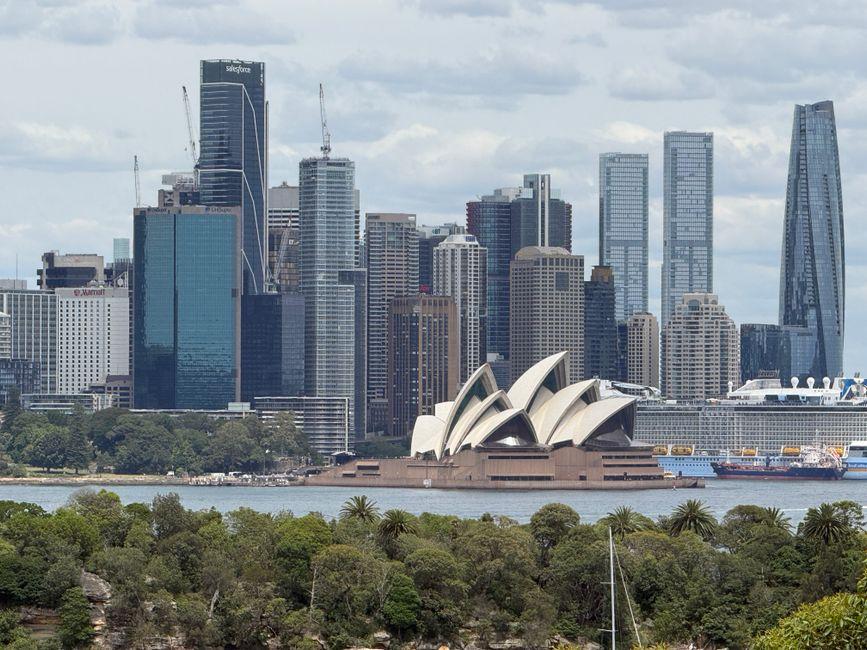
Sydney's housing crisis has reached a boiling point, with the city recording a median house price of over $1.1 million, according to recent data from the Australian Bureau of Statistics. This has led to increased pressure on the NSW Labor government to address the issue.
The housing crisis matters now because it is having a significant impact on the lives of Sydneysiders, particularly those in Western Sydney, where the population is growing rapidly. The suburbs of Parramatta, Liverpool, and Campbelltown are experiencing significant growth, with the NSW government investing heavily in infrastructure projects such as the Metro West and the Western Sydney Airport. However, the lack of affordable housing in these areas is a major concern, with many residents struggling to find a place to call home.
In Sydney, organisations such as the City of Sydney Council and the NSW Federation of Housing Associations are working to address the housing crisis. The council's Affordable Housing Strategy, launched in 2020, aims to increase the supply of affordable housing in the city, while the NSW Federation of Housing Associations is advocating for increased funding for community housing projects. Specific initiatives, such as the NSW government's Communities Plus program, which is providing $400 million in funding for community housing projects in areas such as Redfern and Waterloo, are also underway.
Expert Insights
According to data from the Australian Institute of Health and Welfare, the number of people experiencing homelessness in Sydney has increased by 50% over the past five years, with over 28,000 people currently on the waiting list for social housing. The NSW government has committed to increasing the supply of social housing, with a target of 30,000 new homes by 2026. However, experts say that more needs to be done to address the root causes of the housing crisis, including the lack of affordable housing and the impact of gentrification on low-income communities. For example, the suburb of Erskineville has seen a significant increase in gentrification, with the median house price rising by over 20% in the past year, making it even harder for low-income residents to find affordable housing.
In terms of what happens next, the NSW government has announced plans to establish a new housing agency, which will be responsible for overseeing the development of new housing projects across the city. The agency will work with organisations such as the Land and Housing Corporation and the UrbanGrowth NSW to identify new sites for housing development and to fast-track the approval process for new projects. Residents can also get involved by providing feedback on the NSW government's housing strategy, which is currently open for public consultation. Additionally, community organisations such as the Inner West Community Housing organisation are providing support and advocacy for residents who are struggling to find affordable housing, and residents can reach out to them for assistance.