Sydney's Housing Crisis: What Officials, Experts, and Key Figures Are Saying
As the NSW Labor government grapples with the city's housing affordability crisis, we examine the views of key stakeholders and their proposed solutions.
As the NSW Labor government grapples with the city's housing affordability crisis, we examine the views of key stakeholders and their proposed solutions.
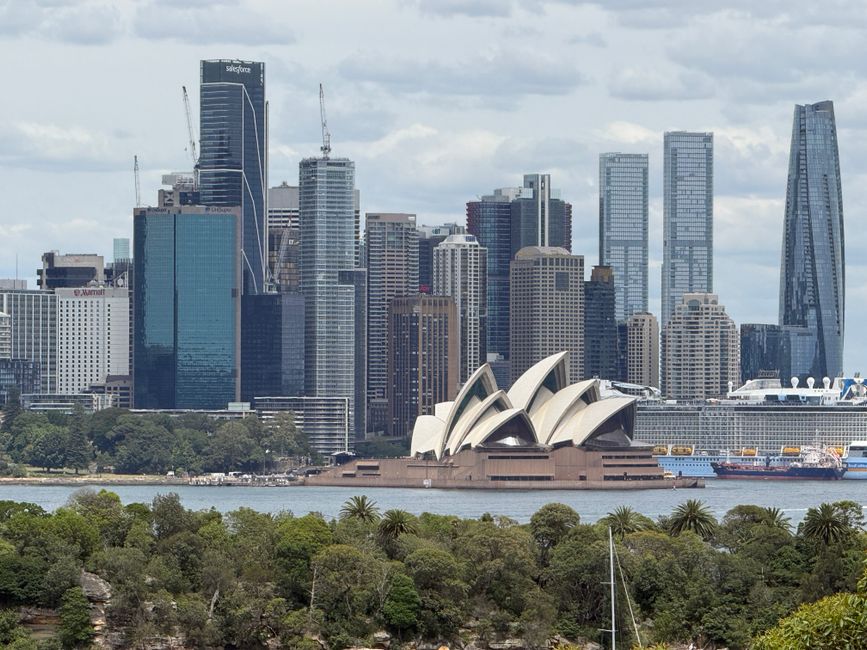
Sydney's housing crisis has reached a boiling point, with the city recording a median house price of over $1.1 million, according to recent data from the Australian Bureau of Statistics. This has led to increased pressure on the NSW Labor government to find solutions to the affordability crisis.
The issue is particularly pertinent in Western Sydney, where population growth and urban development are putting a strain on existing infrastructure. The construction of the Metro West project, which aims to connect the Parramatta and Sydney CBDs, is expected to further exacerbate the problem, as it will likely lead to increased gentrification and higher property prices in areas such as Liverpool and Blacktown.
In response to the crisis, the City of Sydney has launched initiatives such as the Affordable Housing Program, which aims to increase the supply of affordable housing in areas like Surry Hills and Darlinghurst. Meanwhile, organisations like the Western Sydney Community Centre are working to provide support services for those affected by the crisis, including tenants facing eviction and homeowners struggling with mortgage repayments. The University of New South Wales has also established a research centre focused on housing affordability, which is working to develop evidence-based policy solutions.
According to data from the NSW Valuer-General, the average price of a house in Sydney has increased by over 10% in the past year alone, with some suburbs like Bondi Beach and Manly experiencing even higher growth rates. This has led to concerns that the city is becoming increasingly unaffordable for low- and middle-income earners, who are being priced out of the market. As of June 2026, the average rent for a one-bedroom apartment in the Sydney CBD was over $500 per week, making it difficult for many residents to find affordable accommodation.
So what happens next? The NSW government has announced plans to increase funding for affordable housing initiatives and to implement policies aimed at reducing speculation in the property market. However, experts warn that more needs to be done to address the root causes of the crisis, including a lack of supply and inadequate public transport infrastructure. As the city continues to grow and develop, it is essential that policymakers and stakeholders work together to find solutions that will make Sydney a more affordable and livable city for all its residents, from the inner suburbs of Paddington and Glebe to the outer suburbs of Penrith and Campbelltown.
How does this story make you feel?
Spread the word
About this article
Published by The Daily Sydney
Daily brief
Free, in your inbox before 7am. Weekdays.
More in News