Sydney Web Designers Hit by Duplicate Image Crisis: What Changed This Week
A wave of duplicate image penalties and automated content flags is forcing Sydney's digital agencies and property platforms to overhaul how they handle photography online.
A wave of duplicate image penalties and automated content flags is forcing Sydney's digital agencies and property platforms to overhaul how they handle photography online.
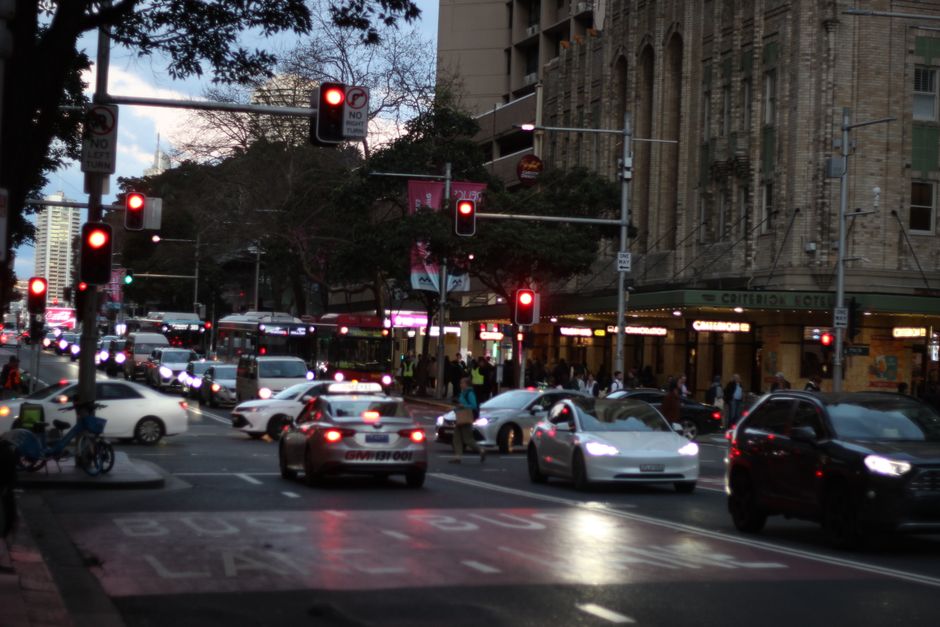
Sydney's web development and digital marketing sector is dealing with an accelerating problem: duplicate image content is triggering search engine penalties and automated moderation flags at a rate that has made it one of the more pressing technical headaches of mid-2026. This week, several agencies across the inner west and the CBD reported a spike in client complaints tied directly to image duplication issues surfacing in Google Search Console reports.
The timing matters. Sydney's property market — already under political strain as the Minns government pushes its housing agenda — relies heavily on online listing platforms. Real estate photography, frequently syndicated from agents to aggregator sites like Domain and realestate.com.au, has emerged as one of the primary vectors for duplicate image indexing. When the same image file appears across multiple URLs without canonical tagging, search algorithms increasingly treat the pages as low-quality, suppressing their visibility.
On Tuesday, July 1, the Australian Web Industry Association circulated an advisory to members flagging a change in how Google's image indexing pipeline handles near-duplicate photographs — images that are not pixel-identical but are cropped or resized versions of the same original. The update, which Google began rolling out in late June, affects sites that host large image libraries without structured metadata. Agencies on Clarence Street in the CBD and along Parramatta Road in Camperdown reported client audits this week showing anywhere from 12 to 40 per cent of indexed images on affected sites had been flagged or de-indexed.
The State Library of NSW on Macquarie Street, which manages one of Australia's largest publicly accessible digital image archives, confirmed it is reviewing its own content delivery infrastructure in response to the broader industry discussion, though its collections sit outside the commercial search ecosystem most directly affected. The library's digital preservation team is separately examining how mirrored image sets hosted across its repository partners interact with new crawling behaviour.
For smaller operators, the costs are not trivial. A standard duplicate image audit from a mid-tier Sydney agency — firms like those clustered around the tech precinct in Surry Hills — is currently priced between $1,800 and $4,500 depending on site size, according to publicly listed service packages reviewed by The Daily Sydney this week. For larger e-commerce or property clients, remediation projects requiring image rehashing, canonical tag restructuring and CDN reconfiguration are running to $15,000 or more.
Western Sydney is feeling this disproportionately. Small businesses in Parramatta's Church Street retail strip and multicultural food and retail operators in Cabramatta have built their digital presence cheaply, often by reusing manufacturer-supplied product images already hosted on dozens of other sites. These businesses are among the least equipped to respond quickly to technical SEO changes, and few have ongoing contracts with digital agencies.
The NSW Small Business Commission has a digital advisory program — the Small Business Digital Assistance Program — that covers basic website reviews, but it does not currently list image SEO remediation as a covered service category. Advocates in the western suburbs have been pushing since at least early 2025 for that program to be updated to reflect modern content quality requirements.
Google has not published a specific remediation timeline for sites already affected by the June indexing changes. The standard industry advice, as of this week, is to conduct a full image audit using tools such as Screaming Frog or Semrush, assign unique canonical URLs to original image sources, and implement structured data markup for image-heavy pages. Sites using WordPress with the Yoast SEO plugin can access partial automation for canonical tagging, though property and e-commerce platforms with custom builds require manual intervention.
For Sydney businesses yet to feel the impact, digital consultants are recommending audits be completed before September, when Google's broader helpful content system update — flagged in its developer documentation for a northern hemisphere autumn rollout — is expected to compound visibility penalties for pages already flagged for low-quality image signals. Getting ahead of that deadline, given agency workloads in the August-September rush, means starting the conversation now.
How does this story make you feel?
Spread the word
About this article
Published by The Daily Sydney
Daily brief
Free, in your inbox before 7am. Weekdays.
More in News