Duplicate Image Replacement: What Officials, Experts and Key Figures Are Saying
From councils to creative agencies, Sydney's institutions are under pressure to audit and replace recycled stock imagery — and the conversation is getting louder.
From councils to creative agencies, Sydney's institutions are under pressure to audit and replace recycled stock imagery — and the conversation is getting louder.
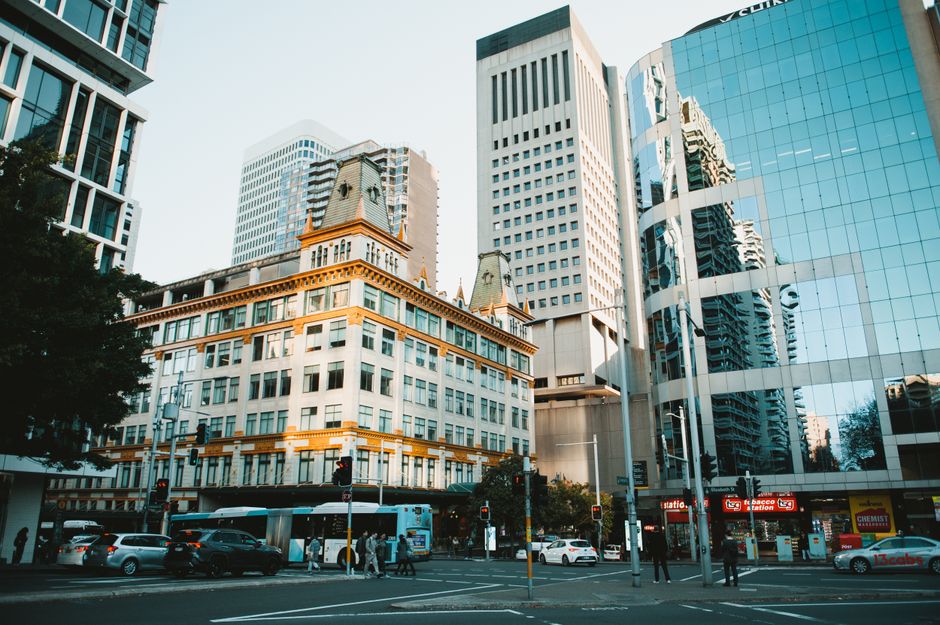
A quiet but growing push is under way across Sydney's public sector and creative industries to tackle the problem of duplicate imagery — the same stock photos appearing on government websites, development applications, council newsletters and transport authority publications simultaneously. The issue, long treated as a minor administrative nuisance, is drawing fresh scrutiny from digital communications professionals, open-government advocates and procurement officers who argue it undermines public trust and creates legal exposure around image licensing.
The timing is pointed. With the NSW Labor government under Chris Minns fighting on multiple fronts — housing approvals, cost-of-living pressure and the Metro West construction corridor stretching from the Sydney CBD to Westmead — the visual credibility of public communications has taken on new importance. Councils from Parramatta to Randwick are fielding questions from residents about why the same photograph of a generic apartment building appears on everything from planning consultation documents to social media posts about local parks.
Digital asset managers and communications specialists working within NSW government agencies describe the problem in practical terms. The core issue is procurement: many agencies license imagery through separate contracts with different stock libraries, meaning the same photograph — say, an aerial shot of Western Sydney housing estates near Penrith or a crowd scene supposedly depicting Pitt Street Mall — can appear across unrelated departments with no centralised audit trail to flag the duplication.
The NSW Government's own ICT and Digital department, which sits within the broader Digital.NSW framework, has published guidance on accessible and consistent digital communications, but practitioners say specific mandates around image uniqueness remain underdeveloped. Industry observers point to the Digital.NSW Content Design Standards as a reference point, though those guidelines focus primarily on accessibility and plain language rather than image deduplication protocols.
At the local government level, the City of Sydney Council and Cumberland City Council have both moved in recent years toward tighter brand governance frameworks, partly in response to community feedback about generic or culturally inappropriate imagery used in multicultural outreach campaigns. Western Sydney, home to some of the country's most diverse suburbs including Auburn, Merrylands and Fairfield, presents a particular test case: using repeated stock images of Anglo-Australian families in housing or health communications generates regular complaints to council communications teams.
Beyond aesthetics, there is a compliance dimension that legal and procurement advisers flag regularly. Standard licensing agreements from major stock libraries — including those used widely across Australian government — typically permit broad use, but restrictions around exclusivity, editorial versus commercial use, and territorial rights mean that a single image appearing on a City of Sydney planning portal and a Western Sydney infrastructure tender simultaneously can trigger licensing questions.
The Australian Government's Digital Transformation Agency, while a federal body, has published procurement guidance that NSW agencies frequently reference as a benchmark. That guidance recommends periodic audits of digital asset libraries, though implementation at the state and local level varies considerably. Some larger agencies maintain dedicated digital asset management systems; smaller councils in outer Sydney often rely on shared drives and informal conventions.
Photography industry groups have noted the issue affects not just governments but the broader creative sector. Commercial studios in Surry Hills and Alexandria — Sydney's twin hubs for advertising and design production — report that clients increasingly specify in briefs that final deliverables must clear a reverse-image search before publication, a step that would have been considered excessive overhead five years ago.
For organisations looking to address the problem now, practitioners recommend three concrete steps: commissioning an independent audit of all publicly facing digital assets against major stock library databases, establishing a single centralised image management platform rather than department-by-department licensing, and building image-uniqueness checks into content approval workflows before publication. Several councils in the Greater Sydney region are understood to be at various stages of that process, though formal announcements remain pending. The cost of inaction, communications professionals argue, is not just aesthetic — it is a measurable erosion of the institutional credibility that governments in a housing-stressed, politically volatile city can ill afford to lose.
How does this story make you feel?
Spread the word
About this article
Published by The Daily Sydney
Daily brief
Free, in your inbox before 7am. Weekdays.
More in News