The Hidden Digital Problem Costing Sydney Residents Time, Money and Trust
Duplicate images flooding property listings, government portals and community databases are creating real headaches for renters, buyers and local agencies across the city.
Duplicate images flooding property listings, government portals and community databases are creating real headaches for renters, buyers and local agencies across the city.
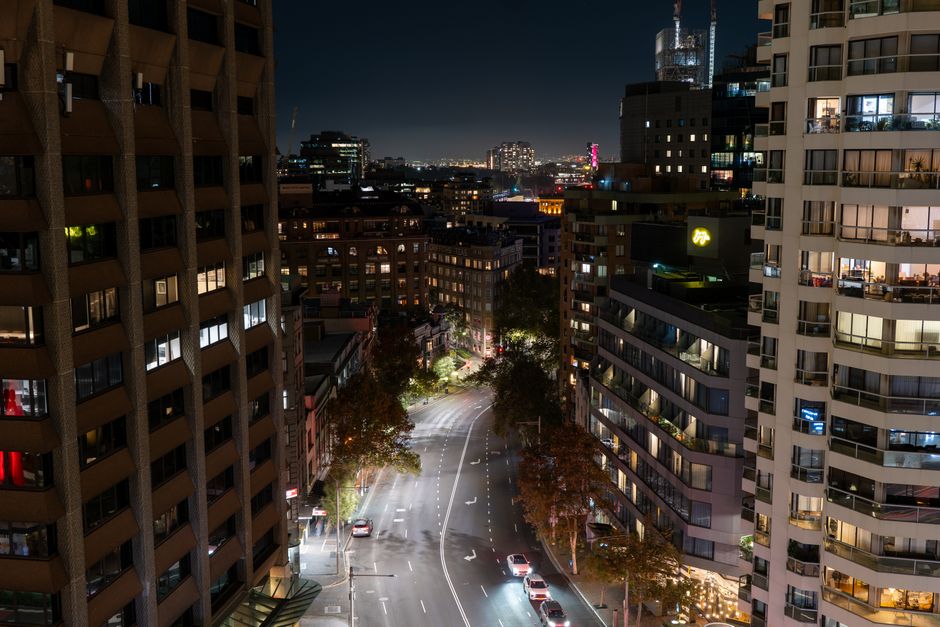
Thousands of Sydney residents searching for rental properties, navigating council permit portals or browsing community service directories are running into the same frustrating dead end: the same photograph appearing multiple times under different addresses, different prices, or different agency names. The problem has a technical name — duplicate image propagation — and its effects on everyday Sydneysiders are anything but abstract.
The issue has sharpened in 2026 for a specific reason. The NSW government's push to digitise planning documents, housing listings and social services directories has accelerated dramatically since the Department of Planning began rolling out its new ePlanning portal upgrades in early February. More data online means more opportunity for image duplication errors to compound, and in a housing market where renters are already under severe pressure, a misleading photograph can be the difference between inspecting a property and not.
Western Sydney is feeling it most acutely. In suburbs like Parramatta, Merrylands and Blacktown — where rental stock is turning over quickly and agencies are uploading listings at pace — the same stock photography of a generic kitchen or bathroom courtyard can appear across dozens of different properties on platforms aggregating data from multiple agents. The Real Estate Institute of NSW has previously flagged image management as a compliance concern for member agencies, though the industry body has not publicly quantified the scale of the problem in 2026.
The City of Sydney Council's online development application tracker, which covers the inner suburbs from Pyrmont to Zetland, also carries duplicated site photographs in a portion of its public-facing DA documentation. Council staff reviewing applications told this masthead the issue typically arises when applicants submit the same photo file under multiple document categories, a workflow problem rather than deliberate misrepresentation. For neighbours trying to understand what a development next door will actually look like, the confusion is real regardless of the cause.
Community housing providers are not immune. Evolve Housing, which operates stock across Penrith, the Hills District and the inner west, manages hundreds of property records in its tenant-facing portals. Organisations like Evolve managing large image libraries across multiple geographic zones are structurally more exposed to duplication errors when staff upload new records without automated de-duplication checks in place.
A 2025 study by RMIT University's Digital Media Lab, examining rental listing platforms across Australian capital cities, found that roughly 14 per cent of active Sydney rental listings contained at least one image that also appeared in a separate, unrelated listing on the same platform. The figure was highest in high-turnover suburbs within 20 kilometres of the CBD. That research predates the current wave of government portal upgrades, so the real-world number today is likely higher.
For residents, the practical consequences range from the annoying to the genuinely costly. A renter who travels from Liverpool to Surry Hills for an inspection based on images that don't match the actual property has wasted time and transport money. A small business owner in Chippendale applying for a development certificate and attaching the wrong site photo risks a delayed application. A community organisation in Fairfield submitting a grant application to the NSW Office of Communities with duplicated supporting images could find its submission flagged for review.
The fix, at the individual level, is straightforward. Before submitting any image to a government portal, property platform or community directory, run the file through a reverse image search — Google Images and TinEye both do this for free in under thirty seconds. Rename files with specific address and date information rather than default camera filenames like IMG_4521.jpg. And if a rental listing you are inspecting online shows photographs that look suspiciously generic or inconsistent with the listed suburb, request fresh images directly from the agent before travelling to inspect.
At the institutional level, the NSW Department of Customer Service is expected to publish updated data quality guidelines for agency portal submissions before the end of the third quarter of 2026, according to its published Digital Government Roadmap. Whether those guidelines will include mandatory de-duplication checks remains unclear, but advocates for renters and community organisations have been pushing for exactly that.
How does this story make you feel?
Spread the word
About this article
Published by The Daily Sydney
Daily brief
Free, in your inbox before 7am. Weekdays.
More in News