Duplicate Images in Sydney's Property Listings: What Happens Next and the Key Decisions Ahead
A growing problem of recycled and misrepresented property photos is forcing agents, platforms and buyers into a reckoning with how homes are sold online.
A growing problem of recycled and misrepresented property photos is forcing agents, platforms and buyers into a reckoning with how homes are sold online.
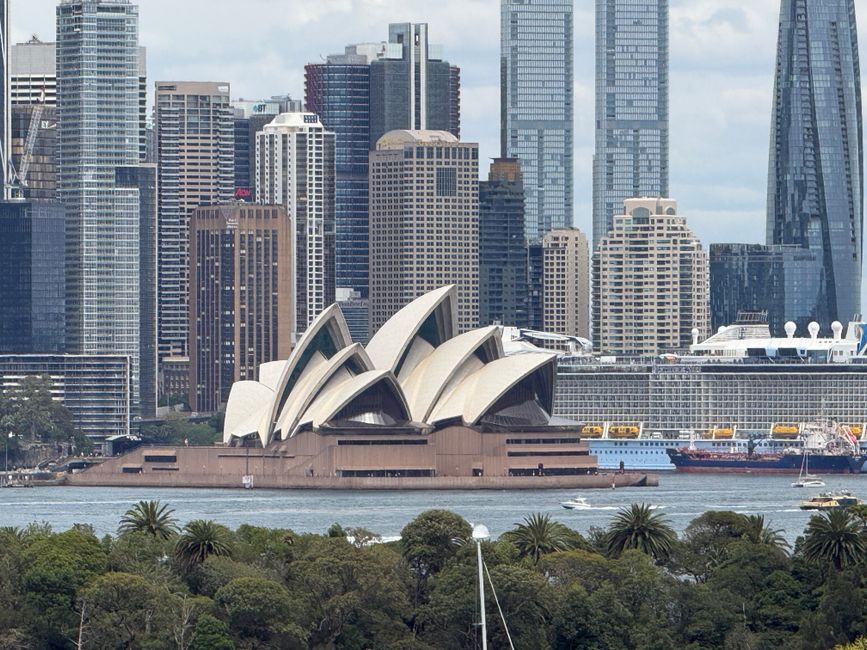
Sydney's real estate listing platforms are facing mounting pressure to act after a surge in duplicate and misattributed property images has muddied the waters for buyers already stretched thin by some of the highest purchase prices in the country. The problem is not new, but the scale has sharpened focus on what the industry's gatekeepers plan to do about it — and when.
At its core, the issue is straightforward: photographs taken of one property appear in listings for a different one, either through lazy recycling by agencies or, in more serious cases, deliberate misrepresentation designed to inflate perceived value. In a city where a two-bedroom unit in Parramatta routinely lists above $700,000 and a modest terrace in Newtown can clear $1.5 million, the stakes for a buyer misled by doctored or duplicated visuals are enormous.
The timing matters because New South Wales Fair Trading has, over the past 18 months, sharpened its consumer protection agenda around digital property marketing. The agency revised its guidance on misleading advertising in early 2025, and industry observers have noted a corresponding uptick in formal complaints related to listing accuracy — though Fair Trading has not released a specific complaint count for the image-duplication category.
The responsibility question sits uncomfortably across three parties: the listing platforms, the agencies uploading content, and the software tools agents use to generate and manage listings. Domain and realestate.com.au — the two dominant portals serving Sydney's market — both operate terms of service that prohibit misrepresenting a property, but enforcement has largely relied on reactive takedowns rather than proactive scanning.
That may be about to change. The Real Estate Institute of NSW, based in Clarence Street in the Sydney CBD, has been in discussion with technology providers about image-fingerprinting tools that could flag duplicated photographs before a listing goes live. No formal program has been publicly announced, and no timeline has been confirmed. But the conversations reflect a recognition that the self-regulatory model is showing its limits.
At the consumer end, the Department of Customer Service's Rental and Property team — operating out of offices in Parramatta Square — handles escalated disputes where buyers or renters believe they were materially misled. Under the Property and Stock Agents Act 2002, an agent who knowingly uses false or misleading material in a property advertisement faces disciplinary action including licence suspension. The law is on the books. The enforcement machinery, critics argue, has not always kept pace.
Three questions now sit on the table, and how they are resolved will determine whether this remains a chronic background irritant or gets treated as a systemic failure.
First: will the major listing portals introduce automated duplicate-detection by the end of 2026? Image-hashing technology — already used widely in social media content moderation — could flag near-identical photographs across listings within seconds of upload. The cost of implementing such systems is not trivial, but it is not prohibitive for businesses of Domain's and realestate.com.au's scale.
Second: will NSW Fair Trading move from guidance to active audit? A targeted sweep of, say, listings in high-turnover corridors like the Parramatta CBD or the South Eveleigh precinct could generate enough case data to justify a formal compliance campaign — and send a clear signal to agencies that passive noncompliance carries real risk.
Third: what role will buyers' advocates and conveyancers play in standardising the verification step? Several conveyancing firms operating in the inner-west and along the Camperdown-to-Erskineville corridor have already begun advising clients to cross-reference listing photographs against council DA records and historical sales data before proceeding to auction. That workaround is practical but places the burden squarely on buyers who may not know to ask.
For anyone currently searching in Sydney — particularly first-home buyers leaning on the NSW government's First Home Buyer Assistance Scheme, which adjusts stamp duty thresholds annually — the practical advice is blunt: treat every listing photograph as a starting point, not a guarantee. Request a video walkthrough. Cross-check the address against Google Street View. And if something looks off, ask the agent in writing to confirm every image depicts the specific property on offer. That paper trail matters if a dispute follows.
How does this story make you feel?
Spread the word
About this article
Published by The Daily Sydney
Daily brief
Free, in your inbox before 7am. Weekdays.
More in News