Sydney Businesses Hit by Duplicate Image Chaos: What Changed This Week
A surge in duplicate and mismatched product images is costing Sydney retailers and property listers real money, and new platform-level changes are forcing an urgent rethink.
A surge in duplicate and mismatched product images is costing Sydney retailers and property listers real money, and new platform-level changes are forcing an urgent rethink.
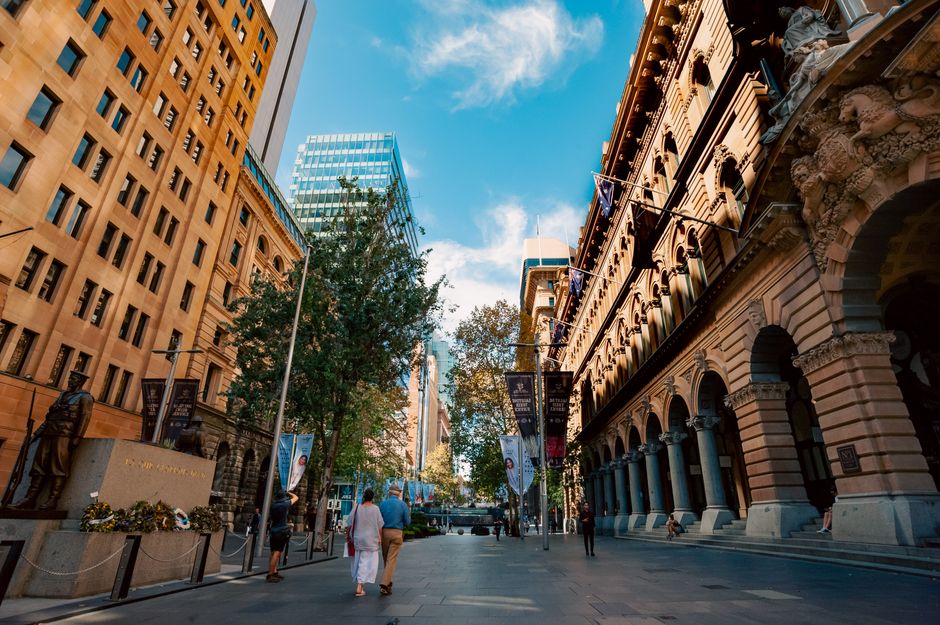
Sydney-based e-commerce sellers and real estate agents had a rough week. Multiple platforms — including major property listing services and retail marketplaces operating out of offices in the CBD and Surry Hills — pushed automated duplicate-image detection updates that flagged thousands of legitimate listings as violations, pulling them offline without warning. For some small operators, the outages ran days, not hours.
The timing matters. Mid-winter is traditionally the strongest quarter for property listings on Sydney's lower north shore and in inner-west suburbs like Newtown and Marrickville, where rental vacancy sits well below the Greater Sydney average. Losing a listing to an algorithmic error during that window is not an abstract inconvenience — it translates directly into lost rent and extended vacancy for landlords already under financial pressure.
The trigger appears to be a combined update rolled out in late June 2026 by several platforms that use perceptual hashing — a technique that generates a digital fingerprint for each image — to identify duplicates across their databases. The update lowered the similarity threshold, meaning images that are merely similar, rather than identical, now trigger removal flags. Photographers who shoot multiple properties in the same apartment complex, or retailers who use a manufacturer's stock image for variants of the same product, were disproportionately caught.
The Real Estate Institute of New South Wales, based at 30-32 Wentworth Avenue in Darlinghurst, fielded calls from member agents across the week. The institute has not issued a formal public statement, but the pattern of complaints is consistent enough that it circulated informal guidance to members advising them to audit current listings against platform image libraries before relisting. Property management software company MRI Software, which has a Sydney office and serves agencies across New South Wales, confirmed in a note to clients on July 2 that it was tracking the issue and working with listing partners to identify affected accounts.
For e-commerce operators, the problem is slightly different but equally disruptive. Sellers on Australian marketplace platforms who source products from shared wholesale catalogues — a common practice among the cluster of small importers operating out of warehouse precincts near Port Botany and Alexandria — routinely use identical supplier-provided images. Under the updated detection rules, two separate legitimate sellers listing the same product with the same manufacturer image can now trigger mutual flagging, with one or both listings suspended pending review.
Research published by the Australian Small Business and Family Enterprise Ombudsman in its 2025 annual report found that unplanned platform-driven listing removals cost affected small businesses an average of $1,400 per incident in lost sales and administrative time. With hundreds of Sydney operators affected by this week's image detection sweep, the aggregate figure runs well into six figures across the sector.
The issue also lands against a politically charged backdrop. The NSW Labor government has spent much of 2026 under pressure over the housing crisis, with Premier Chris Minns repeatedly citing supply constraints as the central problem. Anything that makes it harder or slower to list available rental stock — even a temporary algorithmic glitch — draws attention it would otherwise not receive.
Photographers working in the Sydney property sector say the simplest fix is also the most labour-intensive: shoot at least one unique element per property, even if the floorplan and finishes are identical to a neighbouring unit. Agencies operating in high-density corridors like the Zetland and Green Square precincts — where dozens of apartments in a single development may share near-identical interior layouts — are the most exposed.
Platform operators are expected to publish revised image guidelines before the end of July. In the meantime, operators who believe their listings were wrongly flagged are advised to submit manual review requests directly rather than waiting for automated reinstatement, which on at least one major platform is taking between five and nine business days. Keep originals at full resolution and maintain a metadata trail showing the shoot date and location — that documentation is currently the fastest path through the appeals process.
How does this story make you feel?
Spread the word
About this article
Published by The Daily Sydney
Daily brief
Free, in your inbox before 7am. Weekdays.
More in News