Sydney Councils Struggle With Millions of Duplicate Digital Files
Councils, agencies and cultural institutions across Greater Sydney are sitting on millions of redundant digital files — and the bill for sorting them out is climbing.
Councils, agencies and cultural institutions across Greater Sydney are sitting on millions of redundant digital files — and the bill for sorting them out is climbing.
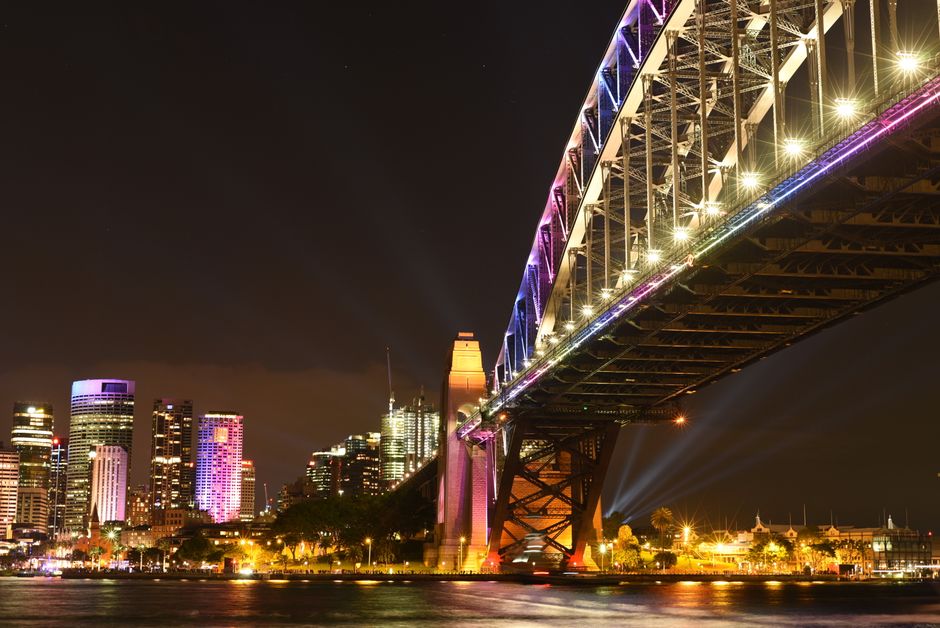
Sydney's public sector is drowning in duplicate images. A stockpile of redundant digital files — photographs, scanned documents, planning images and infrastructure records — has ballooned across local councils, state agencies and cultural institutions, costing storage budgets that administrators are increasingly struggling to justify. The problem is not unique to Sydney, but the city's scale makes the numbers striking.
The timing matters. With the NSW government under pressure to modernise its digital infrastructure while simultaneously managing a housing approval backlog and Metro West construction records, the hidden cost of duplicate image management has quietly become a line item that finance directors can no longer ignore. A report published by the NSW Government's Data Analytics Centre in late 2025 flagged digital asset redundancy as one of the top three contributors to avoidable data storage expenditure across state agencies — though it did not publish agency-by-agency breakdowns.
The City of Sydney Council, which oversees the local government area stretching from Pyrmont to Waterloo, is one of the institutions grappling most visibly with the issue. Its development application portal alone processes thousands of image uploads monthly, with applicants frequently submitting the same site photograph multiple times across amended DA packages. The council's digital records team has been working since early 2026 to implement automated deduplication tools across its document management system, according to information published on its open data portal.
The State Library of New South Wales on Macquarie Street holds one of the country's largest digitised photographic collections. Library staff have publicly acknowledged, through budget estimates hearings, that a meaningful proportion of its digitised holdings contain near-identical scans produced during batch-scanning projects across the 2000s and 2010s. The Library's 2025-26 annual plan listed digital collection rationalisation as a priority project, with dedicated resourcing allocated to image deduplication workflows.
Transport for NSW, which manages enormous volumes of site photography for the Metro West tunnelling project running between the Sydney CBD and Westmead, generates a category of duplicate image problem that is specific to large infrastructure: multiple contractors photographing the same tunnel segment from slightly different angles and uploading them to separate project management platforms. Industry estimates, based on similar-scale rail projects in Melbourne and London, suggest duplicate imagery can account for between 15 and 30 per cent of total project photo libraries.
Cloud storage is not free. Enterprise-grade storage pricing in Australia typically runs between $0.02 and $0.05 per gigabyte per month for large institutional accounts, depending on the provider and redundancy tier. A single high-resolution construction photograph can sit at 20 to 50 megabytes. Multiply that across a project library of 500,000 images — a plausible figure for a multi-year metro project — and the storage overhead for duplicates alone can reach tens of thousands of dollars annually.
The Australian Institute of Digital Transformation, based in Melbourne, published benchmark data in March 2026 suggesting that medium-to-large Australian government agencies spend an average of $180,000 per year on storage that could be eliminated through deduplication alone. For Sydney's cluster of state agencies, councils and cultural bodies, aggregate savings across the sector could realistically run into the millions each year.
The human cost compounds the financial one. Records managers and archivists report spending significant portions of their working week manually identifying and flagging redundant files — time that could otherwise go toward cataloguing, access improvement or compliance work.
The practical path forward involves three steps that institutions are beginning to adopt. First, deploying perceptual hashing tools — software that identifies visually similar images even when file names differ — rather than relying on exact-file-match detection. Second, establishing clear upload protocols at the point of submission, particularly for DA applicants lodging through the NSW Planning Portal. Third, conducting one-time retrospective deduplication audits, starting with the highest-volume collections, before new files compound the backlog further. Several councils in Western Sydney's growth corridor, including Parramatta and Cumberland, have flagged this work in their 2026-27 budget submissions, with outcomes expected to be reported publicly by mid-2027.
How does this story make you feel?
Spread the word
About this article
Published by The Daily Sydney
Daily brief
Free, in your inbox before 7am. Weekdays.
More in News