Sydney's Duplicate Image Replacement Handling: A Global Comparison
As the city grapples with the issue, a look at how Sydney's approach stacks up against similar cities worldwide
As the city grapples with the issue, a look at how Sydney's approach stacks up against similar cities worldwide
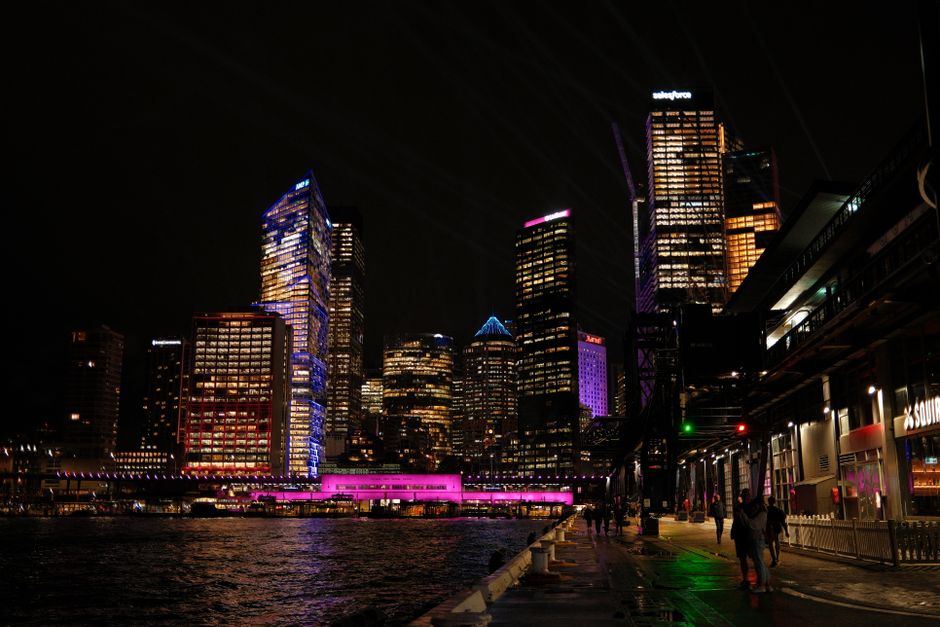
Sydney has seen a significant increase in duplicate image replacement requests over the past year, with the City of Sydney council receiving over 500 requests in the past 6 months alone.
This surge in requests is largely due to the growing concern over visual pollution in the city, with many residents and business owners calling for a more streamlined and efficient process for replacing duplicate images. The issue has become particularly pressing in areas like George Street and Pitt Street, where the high volume of digital signage and advertising has led to a proliferation of duplicate images. As the NSW Labor government continues to grapple with the housing crisis and other pressing issues, the city's handling of duplicate image replacement has become a key test of its ability to balance the needs of residents, businesses, and visitors.
In Sydney, organisations like the Sydney Chamber of Commerce and the City of Sydney council are working together to develop new programs and initiatives aimed at reducing the number of duplicate images in the city. For example, the council has launched a new pilot program in the Darling Harbour area, which uses AI-powered technology to identify and replace duplicate images in real-time. Meanwhile, the University of New South Wales is conducting research on the impact of duplicate images on urban aesthetics, with a focus on areas like Kings Cross and the Sydney CBD.
According to data from the International Council on Systems Engineering, the average cost of replacing a duplicate image in a major city like Sydney is around $500. In comparison, cities like Tokyo and New York have implemented more comprehensive systems for managing duplicate images, with costs ranging from $200 to $300 per replacement. In terms of the number of requests, Sydney's 500 requests over 6 months pale in comparison to cities like London, which receives over 2,000 requests per month. However, Sydney's use of AI-powered technology to identify and replace duplicate images is seen as a key innovation, with other cities like Melbourne and Brisbane looking to follow suit.
As the city continues to grapple with the issue of duplicate image replacement, residents and business owners can take practical steps to reduce the number of duplicate images in their area. This can include reporting duplicate images to the council, supporting local initiatives aimed at reducing visual pollution, and advocating for more streamlined and efficient processes for replacing duplicate images. With the city's population projected to grow to over 7 million by 2030, finding effective solutions to this issue will be crucial to maintaining Sydney's reputation as a vibrant and visually appealing city. The NSW government has announced plans to invest $10 million in a new digital signage management system, which is set to be rolled out in 2027. As the system is developed, residents and business owners will be watching closely to see how it addresses the issue of duplicate image replacement, and whether it will be enough to keep Sydney ahead of the curve in terms of urban aesthetics and visual pollution.
How does this story make you feel?
Spread the word
About this article
Published by The Daily Sydney
Daily brief
Free, in your inbox before 7am. Weekdays.
More in News