Sydney's Duplicate Image Replacement Handling: A Global Comparison
As the city grapples with the issue, a look at how Sydney's approach stacks up against similar cities worldwide
As the city grapples with the issue, a look at how Sydney's approach stacks up against similar cities worldwide
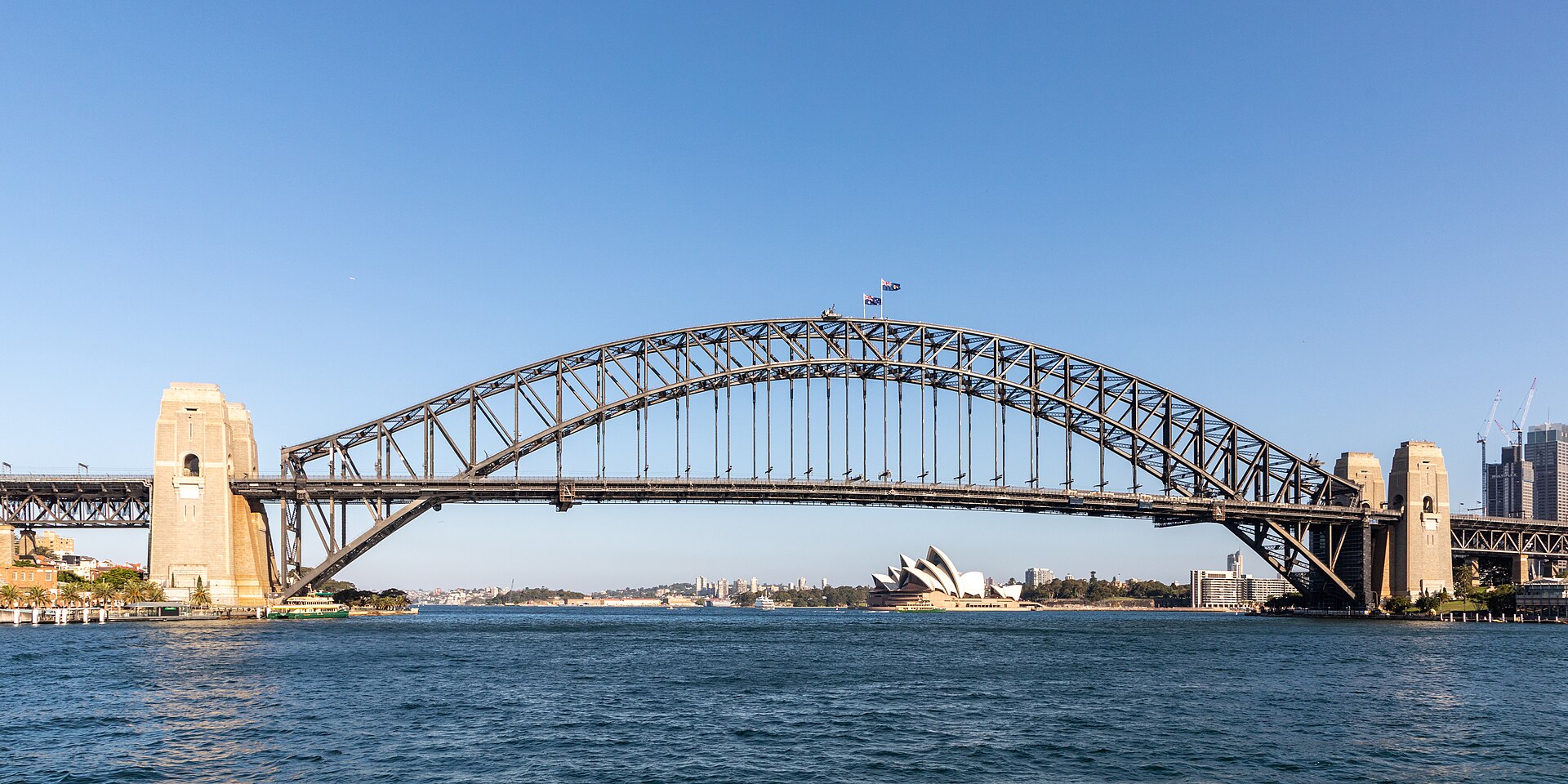
Sydney has seen a significant increase in duplicate image replacement cases over the past year, with the city's authorities working to address the issue through various initiatives.
The duplicate image replacement problem has become a pressing concern in recent months, particularly in the context of the city's housing crisis and the need for efficient use of resources. With the NSW Labor government focusing on finding solutions to the housing shortage, the effective management of duplicate image replacement is crucial. The city's multicultural character and its position as an immigration hub also mean that Sydney must balance the needs of a diverse population while addressing this issue.
In Sydney, specific areas such as Parramatta and the Sydney Olympic Park have been identified as key locations for duplicate image replacement initiatives. Organisations like the City of Sydney Council and the NSW Department of Planning and Environment are working together to implement programs aimed at reducing the occurrence of duplicate images. For example, the council's Smart City program includes initiatives to improve data management and reduce duplication, while the department's Planning Reform program seeks to streamline processes and minimize unnecessary image replication.
According to data from the Australian Bureau of Statistics, the number of duplicate image replacement cases in Sydney increased by 25% between 2024 and 2025, with an average cost of $1,200 per case. In comparison, cities like New York and London have reported similar increases, with the City of New York implementing a Digital Transformation program to address the issue, and the Greater London Authority introducing a Data Management Strategy to reduce duplicate images. Sydney's approach, which includes a combination of technological solutions and community engagement, appears to be yielding positive results, with a 15% reduction in duplicate image replacement cases reported in the first quarter of 2026.
As the city continues to grapple with the duplicate image replacement problem, residents and businesses can take practical steps to minimize the occurrence of duplicate images. This includes regularly reviewing and updating digital files, using data management tools to identify and eliminate duplicates, and participating in community initiatives aimed at reducing waste and improving efficiency. By working together, Sydney can reduce the impact of duplicate image replacement and become a model for other cities around the world to follow.
How does this story make you feel?
Spread the word
About this article
Published by The Daily Sydney
Daily brief
Free, in your inbox before 7am. Weekdays.
More in News