Sydney 2026 Federal Budget: Infrastructure Spending Breakdown
How Sydney's 2026 federal budget allocation affects Metro West timelines, Western Sydney commutes, and housing affordability. What renters and commuters need to know.
How Sydney's 2026 federal budget allocation affects Metro West timelines, Western Sydney commutes, and housing affordability. What renters and commuters need to know.
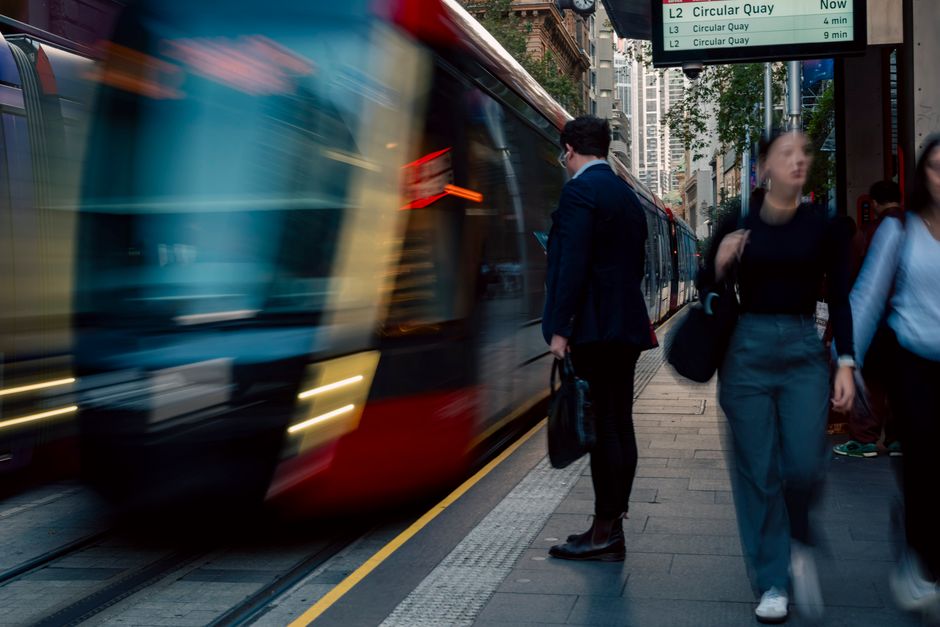
The federal budget allocation process shapes what gets built, upgraded or funded in Sydney over the coming years, from transport corridors to community services. For a city where housing costs consume more than 30 per cent of many household incomes and peak-hour commutes from Western Sydney regularly exceed 90 minutes, the breakdown of infrastructure and local grants spending has tangible daily effects on residents' lives and household budgets.
Metro West, the planned underground rail line connecting Westmead to Parramatta and eventually Sydney's CBD, remains among the most expensive infrastructure projects in Sydney's pipeline. While primarily a state-funded project, federal contributions through infrastructure grants and loan schemes directly influence construction timelines and local employment during delivery. Similarly, grants allocated to road projects, bus rapid transit corridors and active transport in Western Sydney's marginal federal electorates signal how transport investment priorities have been set. Residents in areas like Parramatta, Penrith and the Central Coast corridor depend on these funding announcements to understand whether their commute times are likely to improve within five to ten years.
Housing affordability grants and community housing funding also flow from federal budget allocations. First home buyer assistance programs, shared equity schemes and grants to not-for-profit housing providers all reshape the landscape of home ownership and rental access across Sydney. The Productivity Commission has previously found that supply-side interventions, including infrastructure funding that unblocks development in outer suburbs, have measurable effects on local housing pressure. Budget decisions about funding social housing, particularly in high-need areas of Western Sydney and Southwest Sydney, directly affect waiting lists and rental stress for thousands of households.
Aged care funding has also drawn federal scrutiny this year. The government's algorithm-based funding tool, recently amended by Senate legislation to allow for human override, distributes aged care support payments to providers across Sydney's suburbs. Residents and their families navigating aged care access, particularly in suburbs with ageing populations, are affected by how these budget allocations determine service availability and waiting times.
Beyond transport and housing, federal grants support local health services, community programs and small business assistance across Sydney's 47 federal seats. The distribution of these grants—whether they favour established inner suburbs, growing outer suburbs or disadvantaged postcodes—shapes which local residents receive services and how competitive local economies remain. As Sydney's federal representatives negotiate budget priorities, the city's residents will be watching whether spending reflects the pressures they face daily: getting to work, affording a home, and accessing essential services.
This article was compiled by AI and screened before publishing. See our editorial standards.
How does this story make you feel?
Spread the word
About this article
Published by The Daily Sydney
Daily brief
Free, in your inbox before 7am. Weekdays.
More in policy