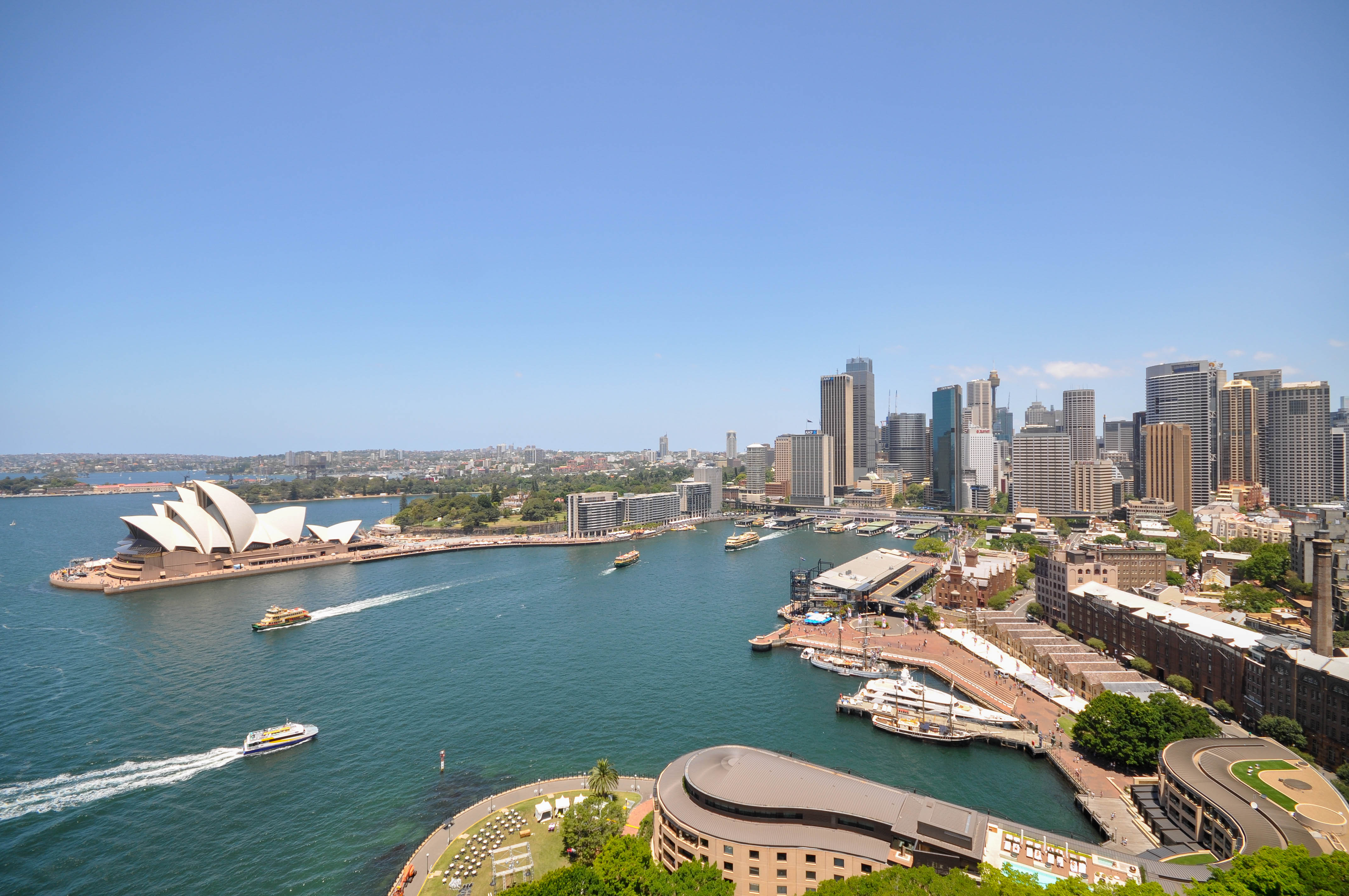
The City of Sydney Council has passed a contentious rezoning proposal aimed at increasing housing density in several inner-city and suburban neighbourhoods. The decision, made late Tuesday, alters the city’s Local Environmental Plan to permit medium-density dwellings, such as terraces, townhouses and low-rise apartment blocks, on land previously zoned exclusively for detached single-family houses. The changes are expected to affect residents and property owners in areas from the inner west to parts of the eastern suburbs.
This move comes as the council faces significant pressure from the NSW state government to meet ambitious housing targets designed to address Sydney's long-running affordability crisis. Policy analysts note that the vote reflects a broader shift across metropolitan Sydney, with state planning authorities pushing for more infill development around existing transport hubs and amenities rather than expanding the city's suburban fringe in the west.
Supply Goals Clash with Local Character
For Sydney residents, the approved changes will have tangible effects. In a suburb like Annandale or Rosebery, a single-dwelling block could now be redeveloped into multiple townhouses. Supporters, including housing advocacy groups, argue this is a necessary step to create more housing choices for young families and essential workers, potentially moderating rental and property prices over the long term. They point to the benefits of living closer to jobs and public transport, reducing reliance on major arterial roads like the M4 or the Anzac Bridge.
However, the plan has drawn criticism from some local community groups and residents. Their concerns focus on the capacity of existing infrastructure to cope with an increased population. They cite already crowded schools, limited on-street parking, and packed carriages on train lines like the T4 Eastern Suburbs & Illawarra Line as evidence that services are already strained. The debate centres on whether the new housing will be supported by proportional investment in local parks, public transport frequency, and classroom space.
What Happens Next
The council’s vote is a key step, but not the last. The amended Local Environmental Plan must now be submitted to the NSW Department of Planning, Housing and Infrastructure for final gazettal, a process that can take several months. Following that, the council will be tasked with drafting more detailed Development Control Plans (DCPs). These documents will outline the specific rules for new constructions, including building height, design aesthetics, heritage considerations, and requirements for private green space. Further rounds of community consultation are expected during the drafting of these DCPs. The first development applications under the new zoning are not anticipated until well into 2027, with construction to follow after individual project approvals.