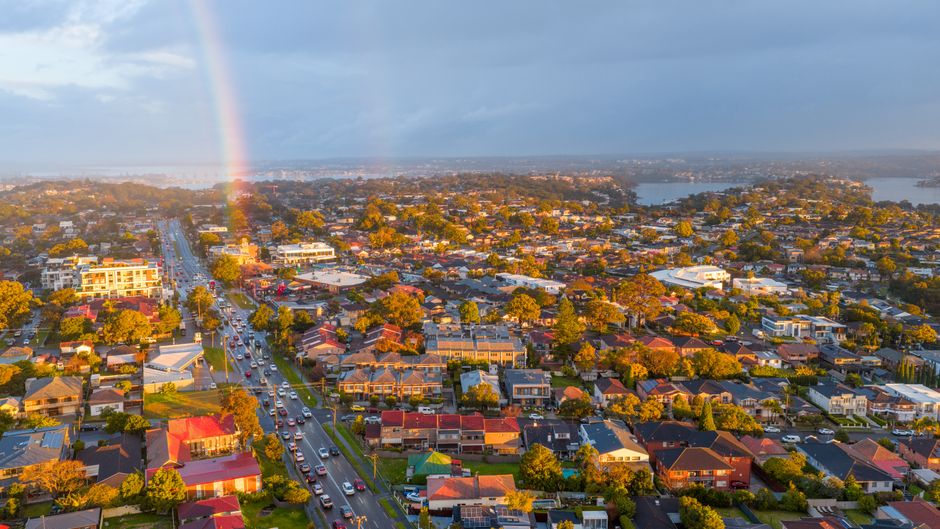
The Gentrification Tell: Five Suburb Indicators Sydney Buyers Should Watch
Before a neighbourhood transforms, the signs are there—rising rents, café culture, developer interest and young professional migration reveal which Sydney suburbs are next.
Before a neighbourhood transforms, the signs are there—rising rents, café culture, developer interest and young professional migration reveal which Sydney suburbs are next.
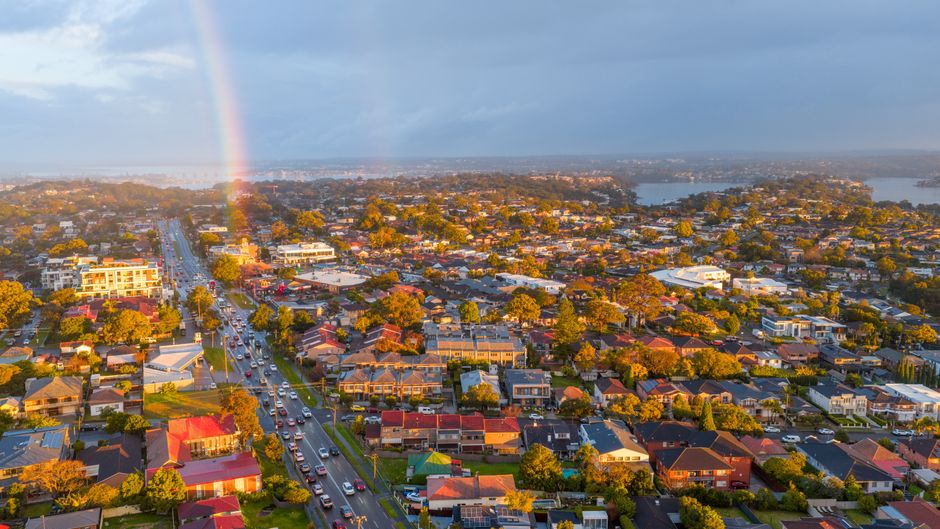
Gentrification doesn't happen overnight, but the early indicators are predictable. As Sydney's median property price holds around $1.4 million and inner-ring supply tightens, suburban gentrification signals are intensifying across outer-ring precincts—and savvy investors are already reading the tea leaves.
The first tell is always retail transformation. When independent cafés, wine bars and wellness studios cluster in a previously working-class suburb, capital is already flowing. In suburbs like Marrickville's Addison Road precinct and Dulwich Hill around Marrickville Road, this shift crystallised five years ago. Today, that same pattern is emerging in pockets of Strathfield and Earlwood—young professionals are renting, then buying, and established venues are being displaced by higher-rent tenants.
Rental demand acceleration is the second indicator. Suburbs experiencing 15–20% annual rent increases are signalling investor confidence. Western Sydney suburbs like Pennant Hills and Thornleigh have seen rental yields tighten as owner-occupiers compete with investors, pushing prices upward. When landlords can charge $650 weekly for a two-bedroom that rented for $520 three years prior, gentrification is underway.
Infrastructure and amenity announcements form the third signal. Parramatta's River Precinct revitalisation and the Earlwood and Marrickville Light Rail corridor development didn't cause gentrification—they accelerated it. Suburbs with improved transport links, park upgrades or school renovations typically see price growth within 18–24 months. Keep watch on Canterbury, Lakemba and Bass Hill, where improved active transport corridors are attracting younger demographics.
Developer interest is the fourth marker. When major residential developers—not small-scale operators—begin acquiring sites and planning multi-unit developments, capital has already identified opportunity. This signals confidence in future demand and affordability premiums. The clustering of development applications in suburbs previously overlooked reveals where institutional money believes appreciation is likely.
Demographic shifts are the final—and most telling—indicator. Census data and council planning documents reveal migration patterns. When suburbs shift from predominantly older, established residents to 25–45-year-old professionals, median age data tells the story. Suburbs like Eastwood and Pennant Hills have already transitioned; suburbs like Strathfield and Concord are mid-transition.
The Northern Beaches and Inner West may command premium pricing, but Sydney's gentrification frontier lies west and southwest. Identifying suburbs exhibiting three or more of these five indicators offers insight into where capital is flowing and where first-home buyers face increasing competition.
This article was compiled by AI from the sources linked above and screened before publishing. See our editorial standards.
How does this story make you feel?
Spread the word
About this article
Published by The Daily Sydney
Daily brief
Free, in your inbox before 7am. Weekdays.
More in Property