Sydney's property market has never been purely about location—it's always been about who wants to live there. But the demographic map is shifting fast, and savvy investors are already repositioning.
The latest migration patterns tell a compelling story. While the Inner West and Northern Beaches remain premium addresses commanding median prices around $1.4 million across NSW, secondary demand is flowing to suburbs offering space, affordability and lifestyle. Suburbs like Marrickville, Newtown and Ashfield are seeing young professional couples and small families attracted by walkable precincts, proximity to parks like Camperdown Cemetery Reserve, and a 40-minute commute to the CBD.
But the bigger shift is demographic. Australia's population is ageing, and Sydney's inner ring is getting younger—or at least, younger relative to regional NSW. The paradox is driving dual demand: Gen-Z and millennial first-home buyers are being priced out of Mosman and Cremorne, while empty-nesters are increasingly relocating north and west to Pennant Hills, Thornleigh, and further afield, where downsizing unlocks equity without sacrificing proximity to medical services and aged-care facilities.
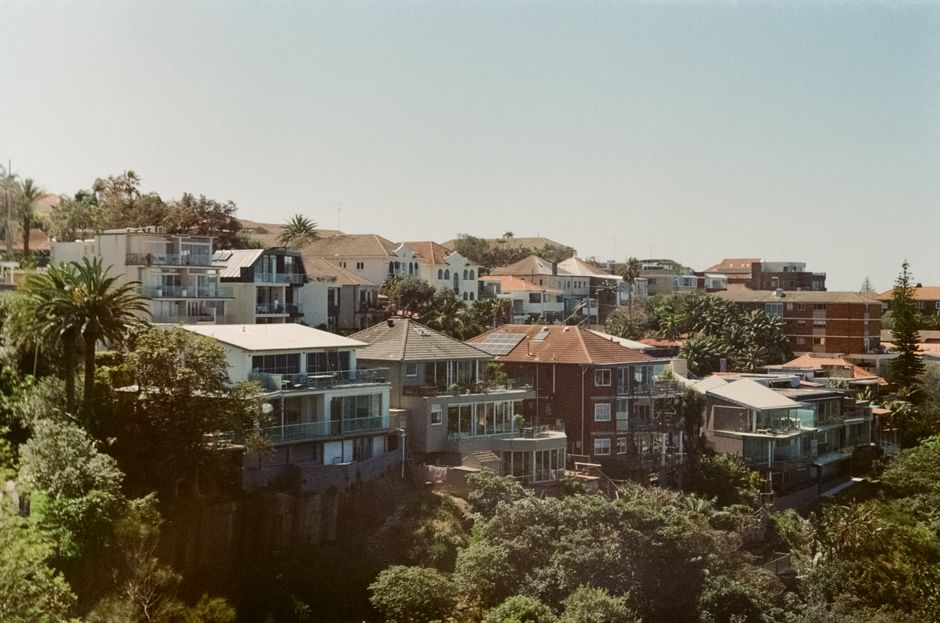
The Northern Beaches remain resilient, buoyed by international migration into professional services hubs and families seeking beaches and schools. But clearance rates of 65–72% in recent auctions suggest even premium markets are cooling slightly—a sign that price expectations are finally recalibrating to buyer demand.
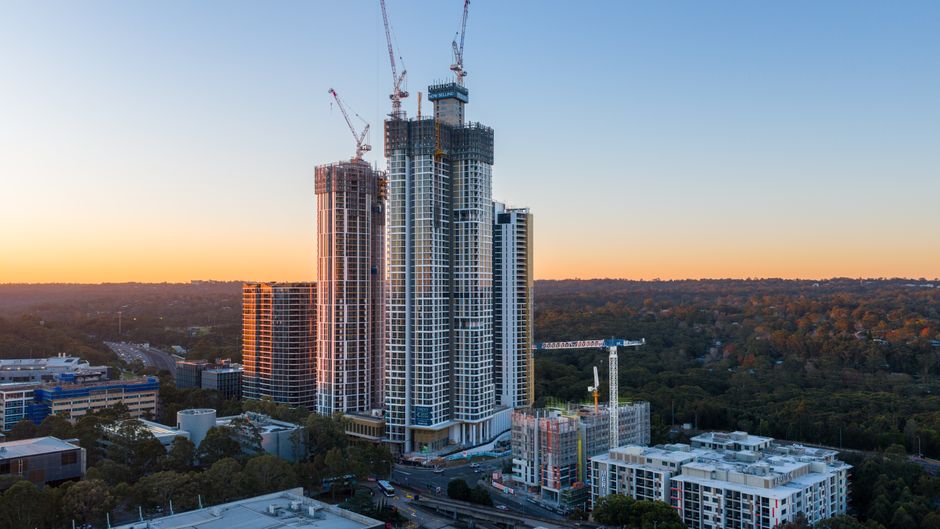
International migration has also reshaped the inner-ring supply crunch. Skilled migrants clustered around tech and healthcare corridors—notably around Macquarie Park and the Eastern Suburbs—are competing fiercely for limited stock. This has created a secondary effect: families who might once have bought in Randwick or Coogee are now settling for Matraville or even Kingsford, where an extra bedroom is achievable without a $2 million mortgage.
The data suggests 2026 will be defined by three distinct property cohorts: premium lifestyle suburbs attracting overseas wealth and local empty-nesters; inner-ring pockets absorbing young professional migration; and emerging outer-suburbs demand as second and third-generation Australian families seek more space and affordability.
For buyers and investors, the lesson is clear: demographic shifts aren't noise in the market—they're the signal. Suburbs that align with where people actually want to live, not where they think they should, will outperform. The question isn't where property is cheapest; it's where the next wave of demand is moving.
This article was compiled by AI from the sources linked above and screened before publishing. See our editorial standards.