For years, Marrickville has played second fiddle to its shinier inner-west neighbours. Overshadowed by Newtown's bohemian cachet and Enmore's entertainment precinct, this pocket of Sydney has largely escaped the frenzied bidding wars that characterise suburbs within the Inner West Council zone. But that narrative is shifting—and those paying attention are moving fast.
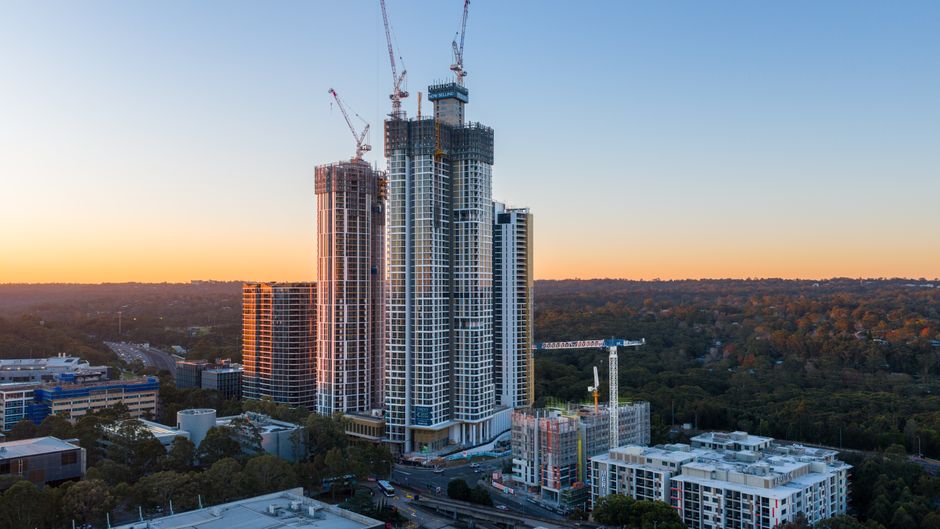
The catalyst is rezoning. NSW planning reforms under the Housing Acceleration Program are now enabling significant portions of Marrickville—particularly around the Marrickville Road and Victoria Road corridors—to transition toward mixed-use, medium-density development. Where standalone Victorian cottages and small commercial shopfronts dominate today, the planning pathway now accommodates apartment buildings of up to six storeys and integrated retail-residential complexes.
"We're seeing genuine interest from small developers and renovation investors who recognise the window," says one local agent familiar with the precinct. Current median house prices hover around $1.55 million for a three-bedroom cottage—a 15–20% discount to comparable Newtown properties, which regularly fetch $1.8 million-plus. The gap reflects perception lag rather than fundamental value difference; Marrickville has identical access to shops, cafes, Marrickville Park, and the Inner West Line.
The rezoning opportunity creates two distinct investor profiles. First, land-bankers eyeing larger blocks or corner sites suitable for medium-density conversion—these remain scarce but achievable below $2.2 million. Second, renovation buyers acquiring character homes in streets like Sydenham Road and Addison Street, betting that the precinct's cultural reputation will accelerate once construction cranes appear overhead.
Marrickville's existing foundations are solid. The suburb already boasts independent galleries, quality cafes, and an arts community that rivals Newtown without the tourism saturation. Completion of the Marrickville Metro shopping precinct upgrades last year refreshed the main strip. Most crucially, clearance rates across the Inner West remain strong at 68–70%, indicating sustained buyer appetite for the zone.
The risk is timing. Rezoning approval doesn't guarantee immediate development; infrastructure and council approvals move at bureaucratic pace. But for investors with a three-to-five year horizon, the asymmetry is compelling. You're buying into a location with established community credentials, transport connectivity, and planning tailwinds—at a price point that still reflects undervaluation relative to adjacent suburbs.
By the time the first significant development sites break ground, the obvious discrepancy will likely have narrowed considerably. Marrickville's overlooked status is a feature, not a bug—but it won't last.
This article was compiled by AI from the sources linked above and screened before publishing. See our editorial standards.