The rental-versus-buy equation has shifted dramatically across New South Wales, with regional markets now offering renters a materially different financial calculus than their Sydney counterparts. Analysis of current market dynamics reveals a widening affordability chasm in the capital, even as regional centres present more balanced pathways to wealth accumulation.
In Sydney's inner west—suburbs like Marrickville and Enmore—median rents have climbed to $2,100–$2,400 monthly for a two-bedroom apartment, while purchase prices hover near $1.2–$1.5 million. For a renter earning a modest $85,000 annually, the rental-to-income ratio sits uncomfortably at 30–35%, leaving limited scope for savings or investment. The ownership gap widens further: a 10% deposit alone ($120,000–$150,000) requires years of disciplined saving, assuming zero lifestyle inflation.
Regional centres tell a starkly different story. In towns like Tamworth, Armidale, or the Central Coast's Gosford precinct, median house prices range from $550,000 to $750,000. Rents for comparable properties average $1,400–$1,700 monthly. That rental-to-income ratio drops to 20–24%, freeing up 10–15 percentage points of disposable income. Critically, a regional deposit becomes achievable within 18–24 months for disciplined savers, not five years.
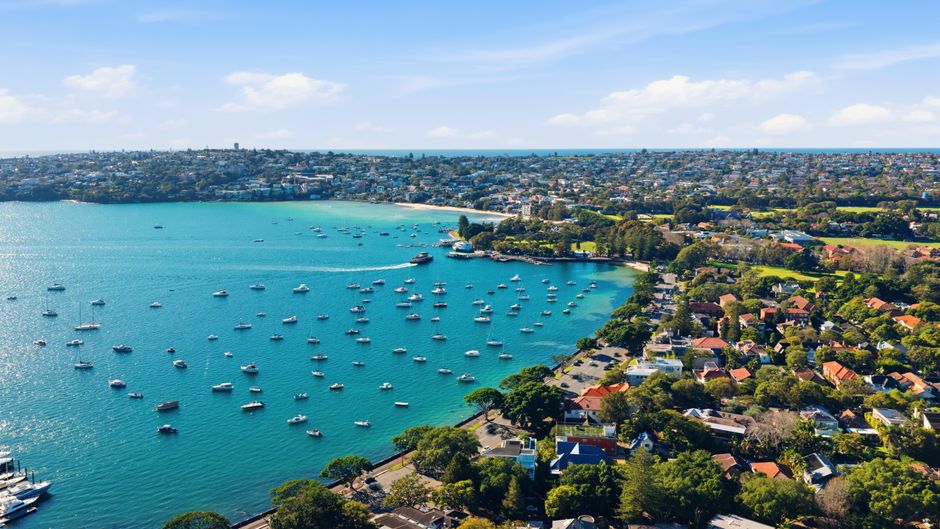
The psychological and financial implications are profound. Sydney renters in Northern Beaches suburbs like Dee Why or Curl Curl face $2,600+ monthly rents against median prices exceeding $1.6 million. That gap between affordability and aspiration breeds financial anxiety. Regional renters, by contrast, can realistically plan a purchase timeline while maintaining lifestyle and emergency reserves.
However, this calculation hinges on employment flexibility. Workers tethered to CBD roles—finance, law, tech in Barangaroo or the Eastern Suburbs—cannot easily arbitrage regional affordability. But the post-pandemic hybrid working trend has shifted this equation for thousands of professionals. A Penrith-based accountant or digital marketer can now rent locally ($1,500–$1,800), accumulate deposit capital, and own within three years—a trajectory largely impossible in Paddington or Neutral Bay.
Investment properties compound the disparity. Sydney renters struggle to own their primary residence; regional renters can own outright and build investment portfolios. Over two decades, this divergence crystallises into profound wealth gaps between capital and regional communities.
The message is clear: for renters prioritising financial autonomy, regional NSW markets—from the Hunter Valley to the South Coast—now offer superior affordability arithmetic than Sydney's constrained inner and middle rings. The trade-off isn't lifestyle or opportunity; it's proximity and convenience.
This article was compiled by AI from the sources linked above and screened before publishing. See our editorial standards.