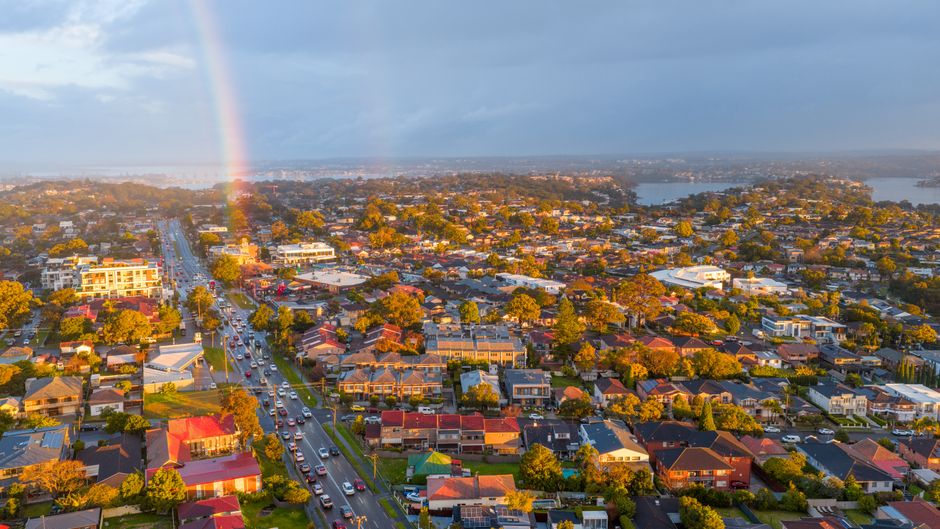
Sydney's booming short-term rental market is entering a period of significant regulatory tightening in 2025, with new state-wide rules threatening to reshape how property owners in Inner West and Northern Beaches suburbs can monetise their assets.
Under updated NSW planning reforms that took effect this year, councils across Greater Sydney now require mandatory registration for properties rented for fewer than 90 days annually. The compliance burden has already forced hundreds of operators offline, particularly in high-value suburbs where median prices hover around $1.4 million.
In Paddington and Woollahra—traditional hotspots for short-term holiday letting—local councils have introduced stricter approval processes. Property owners must now demonstrate that short-term rental won't create noise nuisance or parking congestion in already-strained residential areas. A two-bedroom terrace in Paddington, valued at roughly $1.8 million, could face deregistration if deemed non-compliant with new neighbour-consent provisions.
"The market's fundamentally changed," explains one Inner West real estate agent. "Investors who banked on Airbnb returns from a $1.2 million apartment in Marrickville or Stanmore now face 12-week approval windows and proof-of-insurance requirements. Some are simply listing for long-term rental instead."
The Northern Beaches—from Collaroy to Dee Why—presents similar complications. Councils are enforcing caps on the number of short-term rental days permitted per calendar year, with some suburbs limited to 180 days. Properties near Manly Beach or Shelly Beach, previously lucrative for holiday letting, now face tighter screening to protect residential character.
Airbnb's own compliance push mirrors these regulatory shifts. The platform now requires hosts to provide Australian Business Numbers (ABNs) and proof of council approval before listings activate. Non-compliant properties risk suspension, a significant blow for investors relying on the platform's 2.3 million annual visitors to Sydney.
First-home buyers and investors should note: many councils now restrict short-term rentals in residential zones entirely, pushing operators toward mixed-use or commercial precincts. This regulatory squeeze is already visible in pricing. Properties marketed as dual-use investments are commanding lower premiums than those with unrestricted long-term rental potential.
For owners holding Sydney properties above the $1.4 million median, the calculus is clear: short-term rental returns are no longer a given. Professional legal and planning advice is now essential before committing capital to this strategy. The days of casual Airbnb hosting in premium suburbs are effectively over.
This article was compiled by AI from the sources linked above and screened before publishing. See our editorial standards.