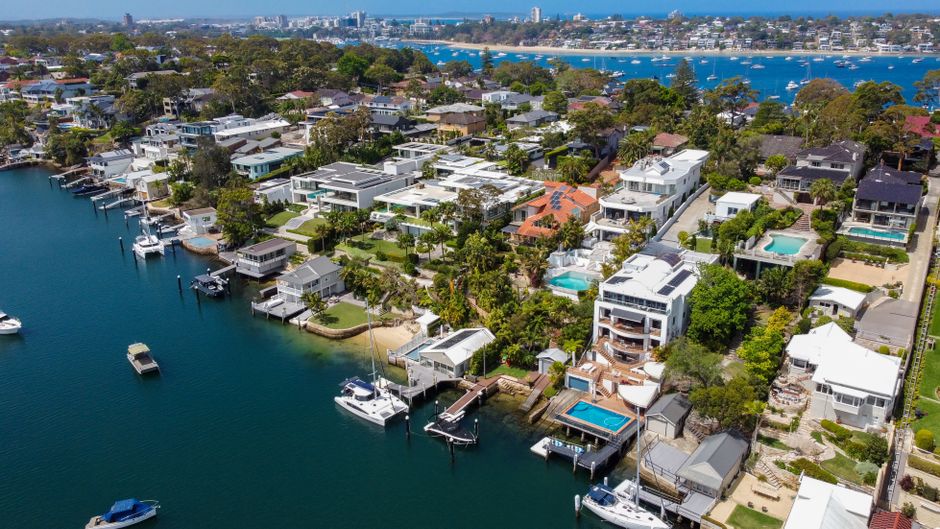
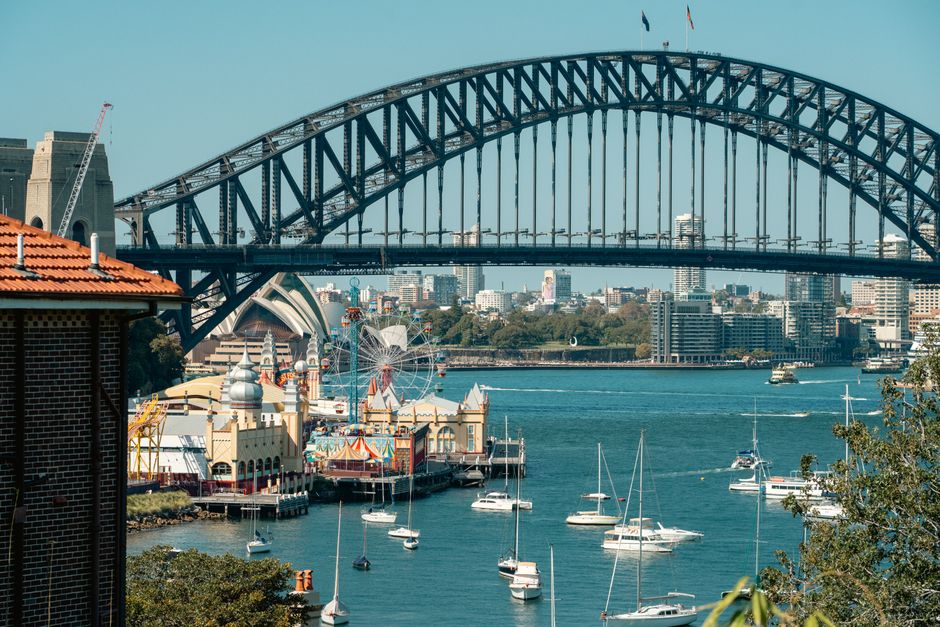
For decades, the downsizer's destination was predictable: Mosman, Neutral Bay, or the leafy pockets of the Upper North Shore. But 2026 is rewriting that script. Real estate data reveals a striking migration pattern emerging across Sydney's property market—one shaped less by prestige and more by pragmatism.
The shift is toward inner-ring suburbs offering walkability, cultural amenities, and lower acquisition costs without sacrificing lifestyle. Ashfield, Burwood, and Marrickville have emerged as the new downsizer hotspots, attracting empty-nesters from larger family homes in outer suburbs and, crucially, from premium addresses north of the Harbour Bridge.
"We're seeing empty-nesters reassess their priorities," explains the pulse of market activity. At median prices hovering around $1.4 million across NSW, many are discovering that a $1.2 million apartment in Ashfield near the station offers more immediate utility than a $2 million Mosman semi requiring renovation and ongoing maintenance.
Ashfield's transformation has been remarkable. The suburb's proximity to Ashfield Station, combined with revitalised retail strips along Lyonpark Road and recent café culture growth, appeals to retirees seeking convenience over cachet. Similar dynamics play out in Marrickville—the Crown Street precinct now rivals inner-west stalwarts for amenity-seeking downsizers, while remaining substantially cheaper than established Paddington or Surry Hills.
Burwood's appeal runs deeper. The pending Metro West extension, coupled with the expanding health and education precincts around Deakin University and the growing food and entertainment scene, has repositioned the suburb as an emerging lifestyle destination rather than a throughway. For downsizers, this means capital appreciation potential alongside immediate liveability.
The financial mathematics are compelling. A two-bedroom apartment in these suburbs typically ranges from $850,000 to $1.1 million—well below the northern beaches median of $1.5 million-plus—while releasing $300,000 to $500,000 in equity that many retirees redirect toward travel, aged-care planning, or family support.
Critically, the shift reflects changing attitudes toward space. The era of "bigger is better" has given way to preference for proximity: walking distance to GPs, cafés, public transport, and cultural institutions matters more than extra bedrooms gathering dust.
With clearance rates remaining strong at 65-72% and migration demand steady, inner-west suburbs are unlikely to soften. For downsizers willing to abandon postcode snobbery, the opportunity window remains open—but it's narrowing. By 2027, Ashfield and Marrickville may command premiums that make the current entry point look prescient.
This article was compiled by AI and screened before publishing. See our editorial standards.