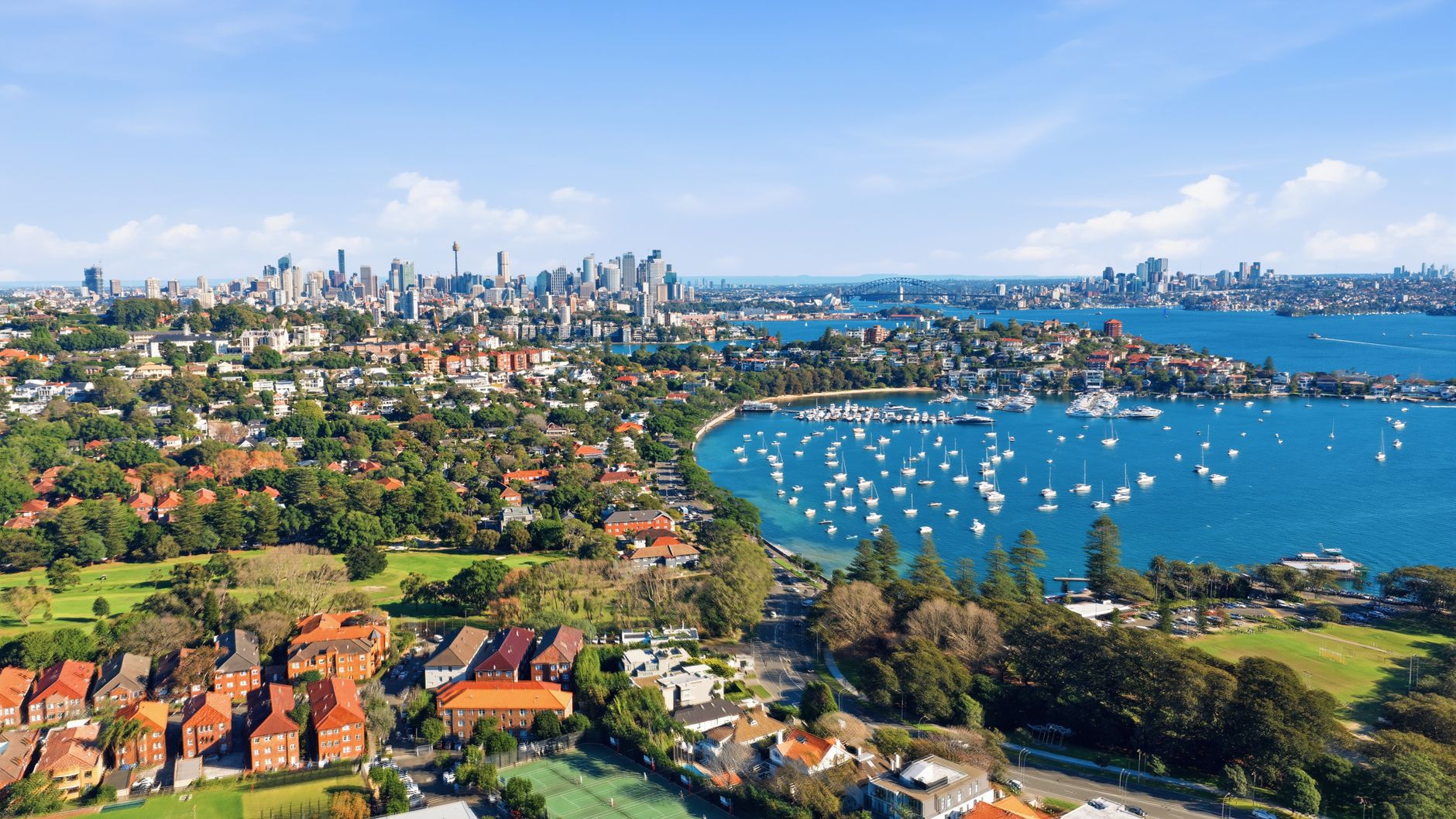
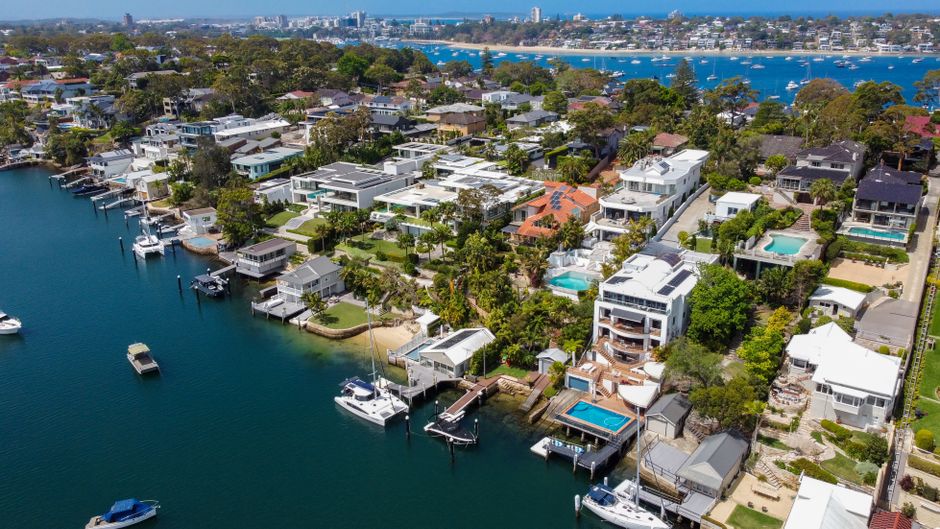
For Sarah Chen, a marketing professional earning $95,000 annually, the mathematics of Sydney property ownership have become impossible. With the median house price hovering near $1.4 million across New South Wales, she's joined millions of renters accepting that buying in established suburbs like Marrickville, Glebe or Crows Nest is simply not feasible in this cycle.
Enter build-to-rent developments. Rather than purchasing, Chen and thousands like her are watching a new class of purpose-built rental communities emerge across Sydney's fringe and middle rings—permanent rental housing designed from the ground up by institutional investors, not traditional landlords viewing properties as investment vehicles to be flipped.
The distinction matters. Build-to-rent developments typically offer fixed-term leases spanning five to ten years, predictable rent increases capped at inflation or modest percentages, and professionally managed amenities: shared workspaces, fitness centres, communal gardens and car-sharing programs. For perpetual renters, this represents a philosophical shift from the precarity of the traditional private rental market, where leases turn over every 12 months and landlords remain free to raise rents aggressively.
Several projects are now materialising across Sydney's outer and middle rings. While specific completion dates and locations remain subject to council approval and financing, industry analysts suggest developments targeting suburbs along the Central West Line—including Auburn, Seven Hills and Toongabbie—represent the most immediate pipeline. Inner West pockets like Marrickville and Dulwich Hill are also attracting interest, given proximity to employment nodes around Camperdown and the University of Sydney.
The financial appeal is genuine. Current median asking rents in inner-West suburbs exceed $2,200 monthly for a two-bedroom apartment. Build-to-rent models, while not dramatically undercutting these figures, bundle amenities and stability into the equation, effectively reducing hidden costs: no bidding wars for furnished units, no surprise vacancies, no landlord disputes over bond claims.
However, affordability remains contextual. Build-to-rent housing typically targets middle-income earners, not those at the bottom of Sydney's rental ladder. At $1,800–$2,000 monthly for a two-bedroom in developing areas, they remain inaccessible to households earning under $70,000 annually. Community advocates argue these developments, while welcome, don't address the city's acute shortage of social and affordable housing.
For now, build-to-rent represents a middle path: neither ownership nor traditional rental precarity, but institutional stability. As Sydney's affordability crisis deepens and institutional capital seeks long-term rental yields, renters face a simple choice: adapt to corporate landlordism, or keep saving for a deposit that may never materialise.
This article was compiled by AI and screened before publishing. See our editorial standards.