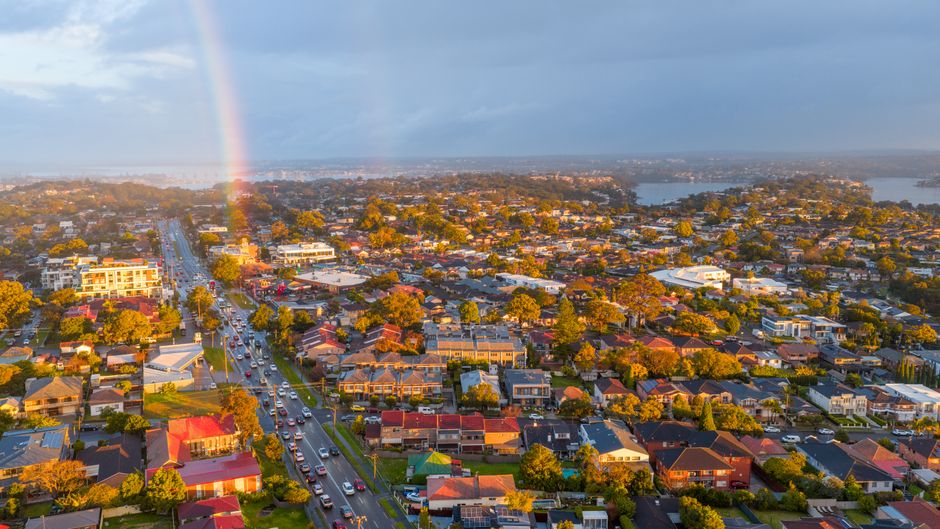
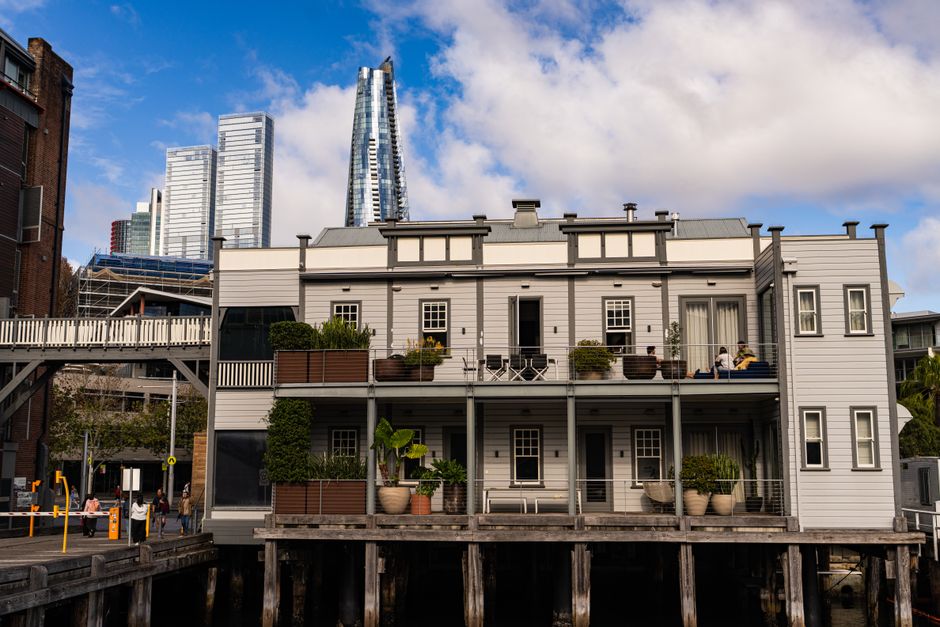
More than one in five Sydney properties that went to auction in the June quarter sold before the scheduled hammer date, according to figures compiled by PropTrack from Ray White and Domain campaigns across the metropolitan area. Agents in the Inner West and on the Northern Beaches say the share of pre-auction sales is running higher than anything they've recorded since late 2021, when the pandemic-era frenzy peaked. The dynamic is reshaping how vendors and their agents manage campaign strategy — and how buyers time their moves.
The backdrop matters. NSW's median dwelling price is hovering around $1.4 million, clearance rates across greater Sydney have settled between 65 and 72 per cent over the past six weeks, and tight supply in the inner ring means qualified buyers know that missing one property can mean waiting months for a comparable listing. That combination is producing exactly the conditions under which rational vendors decide a strong unconditional offer in hand beats the uncertainty of a Saturday morning crowd.
The Inner West Calculation
At a four-bedroom terrace on Percival Road, Stanmore, listed through McGrath Newtown in mid-June, the vendor accepted a $2.31 million offer three days before an auction scheduled for June 28. The guide had been $2.15 million. The buyer, competing against two other parties who had submitted building and pest reports, moved unconditionally. The agent told The Daily Sydney the vendor weighed the risk of a softer auction result — influenced by a wet forecast and a school holiday weekend — against a firm offer already $160,000 above reserve. The maths was straightforward.
Similar scenes played out on the Northern Beaches. A three-bedroom home on Pittwater Road, Collaroy, sold prior to auction on June 19 for $2.08 million through LJ Hooker Dee Why, after the listing attracted 74 groups through open homes in its first ten days. The scheduled auction had been set for June 26. The vendor, a downsizer relocating to the Central Coast, accepted because the buyer waived the cooling-off period and offered a 42-day settlement that suited the purchase of their next property. Flexibility, agents say, is as persuasive as price.
What's Driving Sellers Off the Auction Track
Three forces are converging. First, stamp duty pressure is sharpening buyer urgency. Across greater Sydney, duty bills on properties around the $1.4 million median have climbed sharply over the past two decades alongside values, and buyers who have already absorbed that cost are reluctant to lose a property and start again. Second, migration-driven demand, particularly concentrated around transport corridors like the Sydenham-to-Bankstown Metro line and the Northern Beaches Bus Rapid Transit corridor, is funnelling persistent competition into a narrow band of suburbs. Third, some vendors — particularly families downsizing from large homes in suburbs like Mosman and Hunters Hill — are feeling the psychological weight of a market that can stall unexpectedly, as conditions elsewhere in the country have illustrated this year.
PRD Research's most recent Sydney quarterly report, published in May 2026, found the median days on market for properties that sold prior to auction in the inner metro area was just nine days — compared with 28 days for those that proceeded to auction. Speed alone tells the story for many sellers.
For buyers considering a pre-auction move, the conventional wisdom from buyer's agents at firms like Cohen Handler and Propertybuyer is to act only when due diligence is complete — building report, strata records if applicable, and a solicitor's review of the contract. Waiving conditions to win a pre-auction bid is increasingly common, but it eliminates the safety nets that protect against costly surprises. The calculus is straightforward: remove the risk for the vendor, and you often remove the auction competition at the same time. That trade-off is working — for both sides — across Sydney's tightest suburbs right now, and agents expect it to persist through the spring selling season that opens in late August.