Sydney Councils Restrict Housing Density as Building Costs Surge
A wave of planning amendments across inner and middle-ring Sydney is reshaping what gets built, where, and at what cost.
A wave of planning amendments across inner and middle-ring Sydney is reshaping what gets built, where, and at what cost.
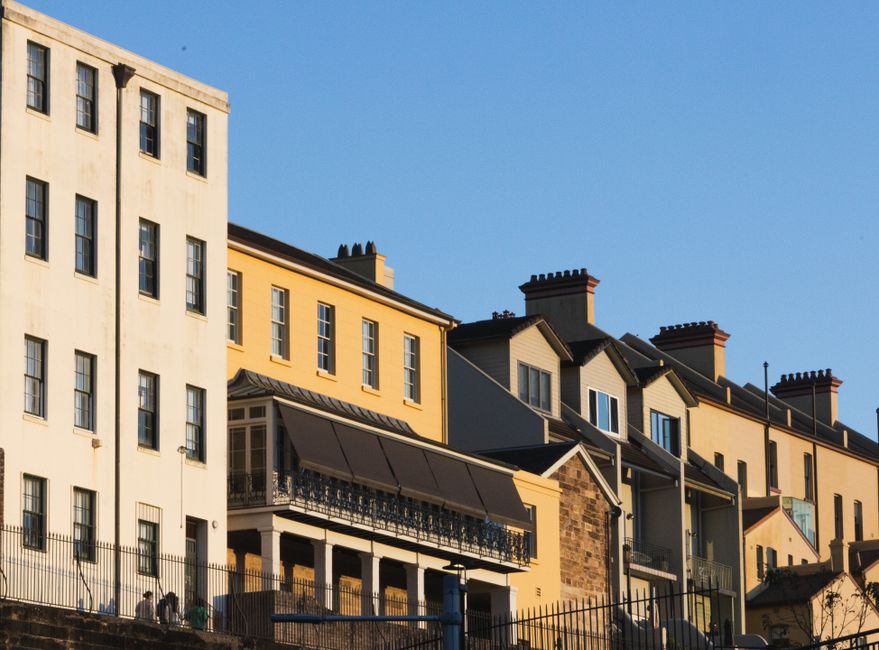
NSW planning authorities are pushing through a raft of local environmental plan amendments that will fundamentally alter density allowances and design standards across some of Sydney's most contested corridors — and developers, architects, and would-be buyers are scrambling to understand what the changes mean before the ink dries.
The timing matters. Sydney's median house price sits at roughly $1.4 million, inner-ring supply remains chronically thin, and migration-driven demand is absorbing whatever stock trickles to market. Any restriction — or expansion — of what councils permit to be built doesn't just change the skyline; it moves prices. Planners and buyers alike are watching the current round of amendments with unusual attention.
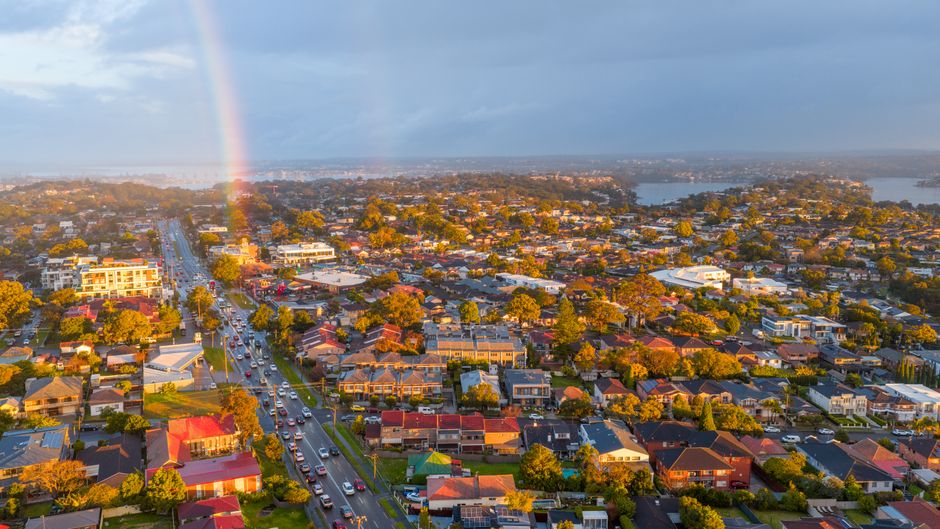
The sharpest battles are playing out in the Inner West and along the Northern Beaches corridor. Inner West Council has been working through amendments to its 2022 Local Environmental Plan that touch floor-space ratios on arterial routes including Parramatta Road between Ashfield and Haberfield, and along Norton Street in Leichhardt. The proposed changes would cap building heights at six storeys in several mixed-use zones where developers had been hoping for eight, directly reducing the number of apartments that can be squeezed from a site and, by extension, pushing up the per-unit land cost.
Thirty kilometres north, Northern Beaches Council is reviewing its Low-Rise Housing Diversity Code controls around Dee Why and Brookvale, two suburbs that the NSW Department of Planning had flagged under its Transport Oriented Development program as candidates for medium-density uplift near bus corridors. Council officers have recommended tightening setback requirements and increasing minimum landscaped area from 20 per cent to 30 per cent of site area — a change that sounds minor but, on a standard 600-square-metre Brookvale block, effectively kills the dual-occupancy maths that smaller builders have been running for the past two years.
The City of Sydney Council, meanwhile, is progressing amendments to the Central Sydney Planning Strategy that affect tower separation rules in the CBD fringe around Surry Hills and Waterloo. Under the revised controls, residential towers above 55 metres must maintain a 24-metre separation from neighbouring towers, up from 18 metres — a shift driven by solar access and wind modelling conducted by the council's urban design team during the first half of 2026.
Property Council of Australia figures released in May 2026 show that Sydney approved just 18,400 new dwellings in the 12 months to March 2026, against a state government target of 28,000 under the Housing Accord framework. That gap of nearly 10,000 homes is the largest shortfall recorded since the Accord benchmarks were set in 2023. Industry groups argue that tightening design controls at the council level — even incrementally — compounds an already serious supply deficit.
The NSW Government is aware of the tension. The Department of Planning's Housing Delivery Authority, established in late 2024, has the power to call in developments of state significance that councils delay or reject. At least three Inner West applications were referred to the authority in the first quarter of 2026, according to government planning registers. The department has not commented publicly on whether the latest round of council amendments will trigger further interventions, but the review mechanism gives the state a lever it has shown willingness to pull.
For buyers and developers, the practical calculus is shifting fast. Sites that attracted multiple bids twelve months ago on the assumption of eight-storey approvals need to be remodelled with a six-storey ceiling. In suburbs like Ashfield, where a development site on Liverpool Road changed hands for $4.2 million in late 2025, a two-storey height reduction can wipe the margin entirely. Smaller developers without the capital to carry a redesign through an extended DA process are quietly exiting the Inner West pipeline and looking at outer-ring councils — Blacktown, Liverpool, Campbelltown — where height controls are less contentious but land costs have crept up accordingly.
Anyone with a development site in an affected zone, or considering buying one, should commission a fresh feasibility study against the proposed controls as they stand today — not as they were when the site was last valued. The amendment exhibition periods for both Inner West and Northern Beaches councils close before September 2026, which means submissions and any legal challenges need to be on the table well before Christmas.
How does this story make you feel?
Spread the word
About this article
Published by The Daily Sydney
Daily brief
Free, in your inbox before 7am. Weekdays.
More in Property