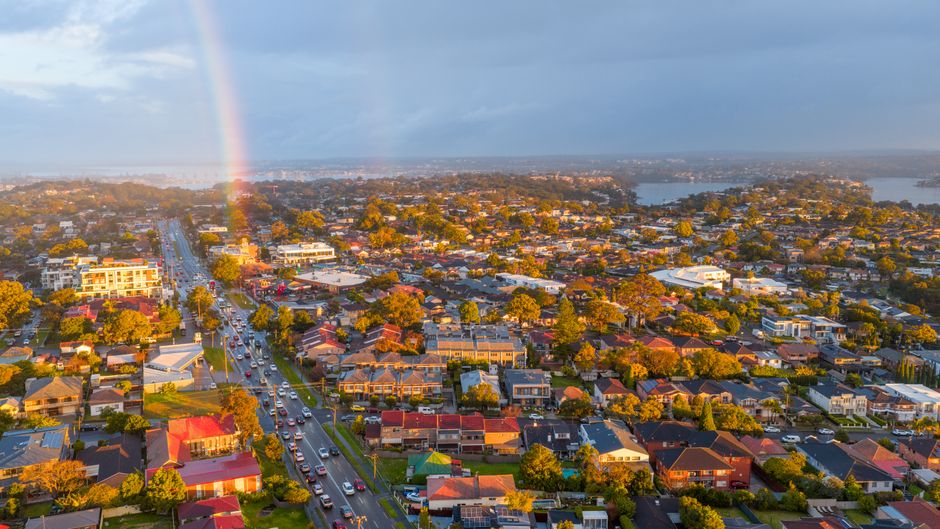
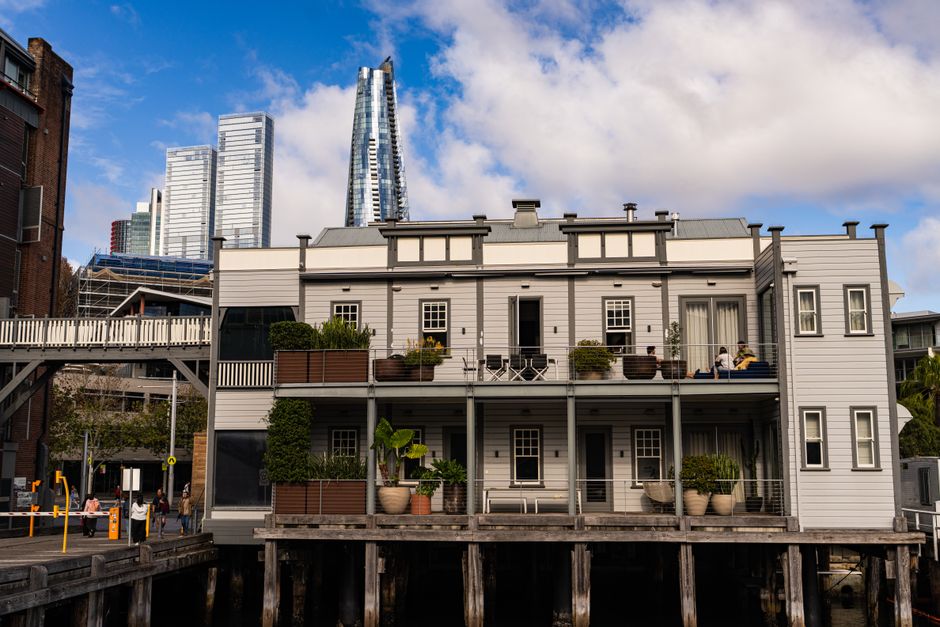
Renting a three-bedroom house in Marrickville costs about $850 a week right now. Buying the same house — at a suburb median nudging $1.65 million — would cost a mortgage holder closer to $2,100 a week at current variable rates, before you factor in council rates, strata levies, or the inevitable leaking roof. On pure monthly cash flow, renting is cheaper. The question is whether that calculation should actually stop anyone from buying.
It matters more this July than it has in years. The Reserve Bank of Australia held the cash rate at 3.85 percent at its June meeting, leaving Sydney borrowers with little relief after thirteen rate rises since May 2022. At the same time, NSW stamp duty on a $1.4 million property sits at roughly $58,000 — a cost that has ballooned alongside prices and which buyers must fund before they even get the keys. That upfront burden, combined with record mortgage repayments, has pushed the rent-versus-buy calculation into genuinely uncomfortable territory for middle-income households across the city.
Where the Gap Is Widest
The Northern Beaches tell the starkest story. A four-bedroom house in Dee Why currently lists for rent at around $1,100 a week. To buy a comparable property on Oaks Avenue or the surrounding streets — median now above $2.1 million — a buyer with a 20 percent deposit would be servicing a loan of roughly $1.68 million. At a 6.3 percent variable rate, monthly repayments land near $10,400, or about $2,400 a week. The renter in the same street is pocketing the $1,300 difference every seven days.
In the Inner West, the gap tightens but doesn't close. Domain data from the June quarter puts the Leichhardt median house price at approximately $1.72 million. Median weekly rents in the same suburb are around $780. A buyer borrowing 80 percent faces weekly repayments of close to $1,950 — still $1,170 more than a renter pays. PropTrack's June 2026 affordability index ranked Sydney as the least affordable capital city in the country, with mortgage repayments consuming an average of 52 percent of median household income across the metro area.
The NSW Government's First Home Buyer Assistance Scheme offers stamp duty exemptions on properties up to $800,000 and concessions up to $1 million — thresholds that exclude most of inner Sydney's stock entirely. For households eyeing Glebe or Newtown, the scheme is largely irrelevant. The Property Council of Australia NSW division has been pushing Macquarie Street to lift those thresholds since at least 2024, so far without success.
The Hidden Costs on Both Sides
Pure repayment figures understate what ownership actually costs. A 2025 CoreLogic analysis found Sydney homeowners spend an average of $18,400 a year on maintenance, insurance, and council rates on top of mortgage costs. Renters carry none of that directly, though they carry their own exposure: Sydney's rental vacancy rate sat at 1.2 percent in May 2026, according to SQM Research, meaning tenants have almost no negotiating power and face rent increases at each lease renewal.
That insecurity is the counterweight that keeps buyers buying even when the numbers look punishing. Building equity — slowly, painfully — still offers something a rent receipt never does. Financial planners at firms including Shadforth Financial Group have been telling clients that the decision is rarely just arithmetic. Opportunity cost matters: the deposit money sitting in a mortgage could theoretically generate returns elsewhere. In practice, few Sydneysiders invest the difference with the discipline that argument requires.
For households genuinely weighing the options right now, the most practical step is to run suburb-specific numbers rather than city-wide averages. A buyer targeting a unit in Arncliffe or Wolli Creek — where medians are closer to $750,000 — faces a very different equation than one chasing a house in Mosman. Get a mortgage pre-approval, price comparable rentals on the same street, then subtract strata, rates, and maintenance before you compare. The headline gap is real. Whether it outweighs the long-term case for ownership depends entirely on where you're looking and how long you plan to stay.