The Sydney Suburbs Where Buying a Home Is Now Cheaper Than Renting One
A shift in the city's mortgage-versus-rent maths is opening a narrow but real window for buyers in outer and middle-ring suburbs.
A shift in the city's mortgage-versus-rent maths is opening a narrow but real window for buyers in outer and middle-ring suburbs.
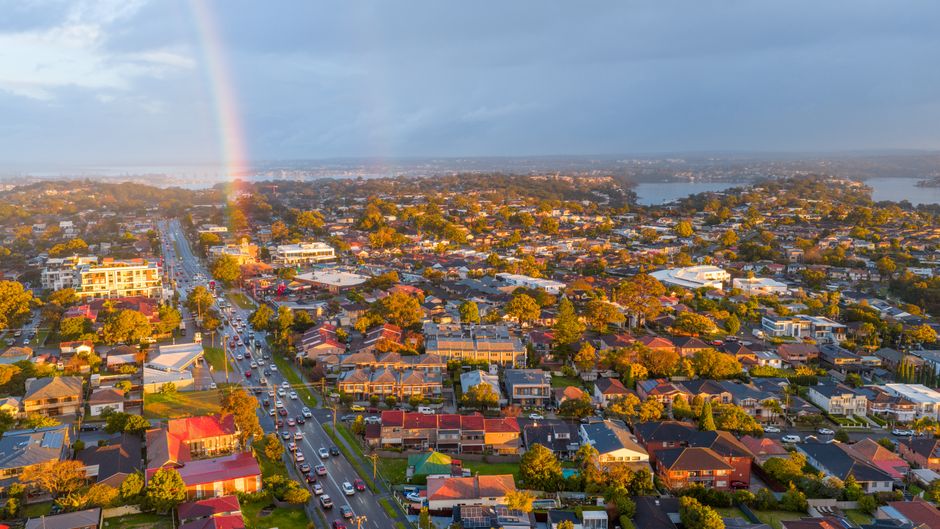
For the first time in several years, buying beats renting on monthly outgoings in a clutch of Sydney suburbs — and the list is longer than most people expect. Analysis of current listings data and standard variable mortgage repayments shows that in at least a dozen postcodes stretching from Parramatta to Liverpool and up through the Hills District, the weekly cost of servicing a mortgage on a median-priced home has fallen below the median asking rent for an equivalent property.
The reason is arithmetic, not magic. Rents across greater Sydney jumped roughly 28 per cent between January 2023 and June 2026, according to figures tracked by the NSW Rental Commissioner's office. Purchase prices in the outer and middle rings, meanwhile, have been more volatile — correcting through late 2024 before a modest recovery — and the Reserve Bank's four rate cuts since November 2025 have pulled the standard variable rate back toward 5.8 per cent. That combination has quietly redrawn the affordability map.
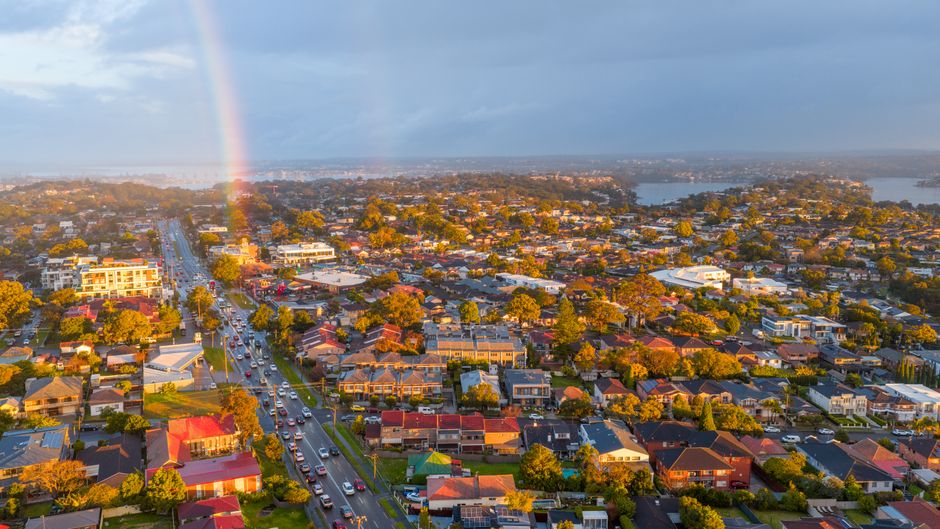
Merrylands is one of the clearest examples. The median house price in the suburb sits around $1.05 million, and on a 20 per cent deposit with a 30-year loan at 5.8 per cent, monthly repayments run to roughly $4,960. The median weekly rent for a three-bedroom house in the same suburb is now $730, which compounds to about $3,167 a month — but comparable homes are increasingly scarce. The tighter the rental vacancy, the higher landlords push asking prices, and in Merrylands the vacancy rate dropped to 0.7 per cent in May 2026. Renters are bidding $50 to $100 above the advertised rate just to secure a lease.
The pattern repeats through Wentworthville, Guildford and parts of Blacktown, where years of underbuilding have made quality three-bedroom rentals genuinely hard to find. Liverpool presents a similar picture on the city's south-western fringe, with median rents for houses now nudging $700 a week — up from $530 in mid-2023. A buyer securing a $980,000 property there with a standard 30-year loan is paying roughly $4,630 a month on principal and interest. Factor in the First Home Buyer Assistance Scheme, which still exempts purchases under $800,000 from stamp duty and tapers relief up to $1 million in NSW, and the entry cost for eligible buyers shrinks further.
The equation doesn't hold everywhere. In the Inner West — Balmain, Leichhardt, Newtown — median house prices north of $1.8 million mean mortgage repayments still dwarf rents by a significant margin. The Northern Beaches remain stubbornly purchase-expensive. The crossover suburbs are mostly those where the NSW median of around $1.4 million feels aspirational rather than standard.
There is a large catch. Getting over the deposit hurdle remains brutal. A 20 per cent deposit on a $1.05 million Merrylands home is $210,000 — a sum that takes many Sydney households a decade to accumulate while paying rent. The federal Housing Australia Future Fund, intended to help low-to-moderate income buyers, has been slow to deploy stock, with fewer than 800 completions nationally by the end of June 2026. The NSW Government's Shared Equity Home Buyer Helper program, which lets eligible buyers enter with as little as a 2 per cent deposit, covers purchases up to $950,000 for houses — useful in Liverpool and Blacktown, less so in the Northern Beaches.
Mortgage brokers working through aggregators like Mortgage Choice and Aussie Home Loans have reported a noticeable uptick in inquiries from renters doing exactly this kind of calculation — running their current lease cost against repayment estimates and finding the gap has closed. The sensible next step for anyone in that position is to get a formal pre-approval, check their eligibility under the Shared Equity scheme before the July 31 application round closes, and factor in strata levies or council rates, which can add $400 to $800 a month to the true cost of ownership. The window is real. It is also narrow, and it tends not to stay open long once the market notices it.
How does this story make you feel?
Spread the word
About this article
Published by The Daily Sydney
Daily brief
Free, in your inbox before 7am. Weekdays.
More in Property