Sydney Planning Shake-Ups Reshape Market: What Policy Changes Mean for Buyers and Sellers
State and council decisions on density, development and green space are fueling price shifts from Marrickville to Manly.
State and council decisions on density, development and green space are fueling price shifts from Marrickville to Manly.
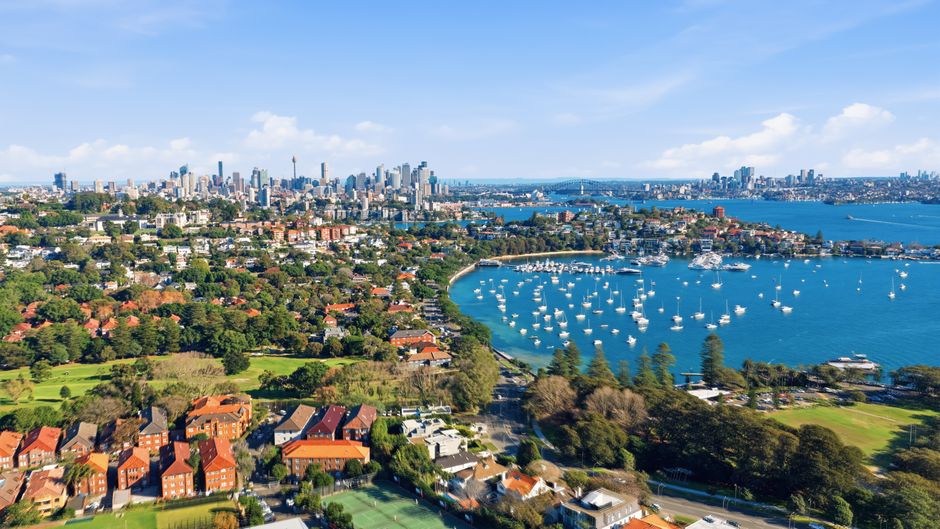
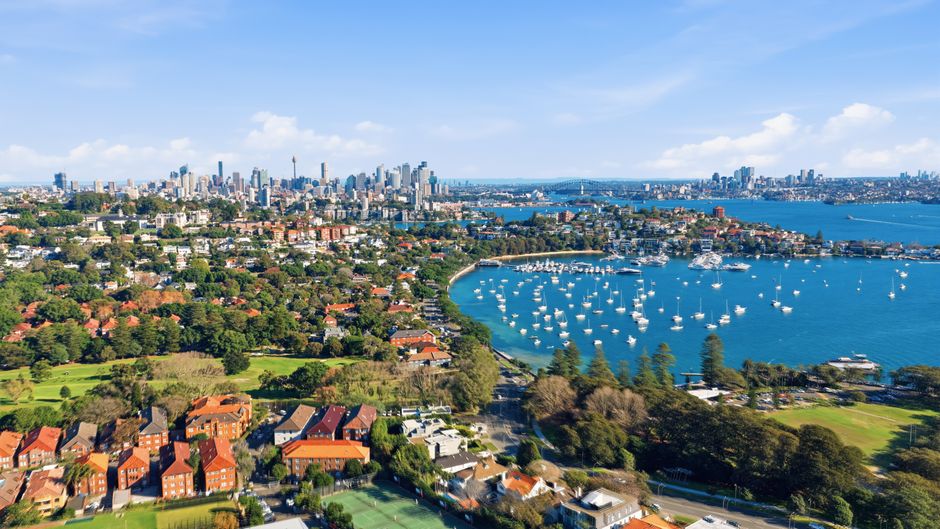
New planning directives signed off this week by the NSW Department of Planning are set to rewrite the rulebook for key Sydney suburbs, from higher-density approvals in the Inner West to newly protected parkland along the harbour. Market watchers say these changes are already reverberating through listings and prices, with both buyers and developers scrambling to get ahead of looming supply and zoning shifts.
For the tens of thousands of Sydneysiders chasing a home and the investors betting on the city’s expensive real estate, the timing couldn’t be more significant. Record-high demand driven by international migration is running headlong into a market with chronically tight supply: the latest CoreLogic data puts Sydney’s median dwelling price at $1.42 million, up 7.6% year-on-year. In this fevered environment, even relatively modest policy tweaks can translate to serious dollars—and new winners and losers—across local neighbourhoods.
The epicentre of this week’s drama was Marrickville, where council planners have green-lit a pilot for increased medium-density developments along Addison Road and Victoria Road. These updates clear the way for up to five-storey apartment blocks, a marked departure from the mostly low-rise form that has dominated the area for half a century. Local agent lists show developers circling old warehouse sites between Enmore Park and Marrickville Metro, sourcing land before prices jump further.
Meanwhile, in the Northern Beaches, Pittwater Council’s decision to temporarily freeze new residential approvals along the Mona Vale corridor—citing congestion fears—has put several planned apartment projects on ice. That’s left buyers in Avalon and Bilgola Plateau bracing for even tighter stock, with local listings down 18% year-on-year according to Domain, despite robust demand from upgraders and downsizers attracted by the peninsula lifestyle.
Data from SQM Research shows Sydney’s total residential listings declining for the third consecutive month, down 3.5% in June from May. Clearance rates citywide hover at 67%, but jump to 72% in sought-after Inner West postcodes like 2204 and 2042. The Marrickville policy change is set to add roughly 750 new apartments over five years, but local agents say that won’t hit the market fast enough to blunt near-term price growth. In contrast, the Northern Beaches’ pause on new consents is likely to drive further FOMO (fear of missing out) among premium buyers, with median house prices in Newport and Collaroy hitting fresh records—now above $2.6 million and $3 million respectively according to recent REINSW figures.
Commercial interests are watching closely. The Urban Taskforce, a developer lobby, flagged that stalled council approvals across several LGAs could delay more than 5,000 planned dwellings this financial year, potentially pushing the city’s long-running affordability crisis into new territory. For renters, vacancy remains stubbornly low at under 1.3% across inner-ring suburbs, per the latest Real Estate Institute of NSW survey, with rents for two-bed units on King Street, Newtown up 9% year-on-year.
What happens next will test both state and local government resolve. Inner West Council has promised fast-track pathways for well-designed medium-density projects, but faces anticipated backlash from some resident groups. In Pittwater, a review of the freeze is slated for September—industry insiders expect fierce debate, as developers push for certainty and environmental advocates warn of irreversible change.
For buyers, the advice is to watch council agendas and planning bulletins closely. Early movers in up-zoned corridors like Marrickville’s Carrington Road or under-the-radar Leichhardt blocks could reap windfalls in the next 12–24 months. For sellers in freeze zones, tightening supply may mean holding out for higher offers—if they can wait. Either way, Sydney’s patchwork of planning changes is now a crucial driver of market shifts, and tune in to next quarter’s data will be essential for anyone with skin in the city’s property game.
How does this story make you feel?
Spread the word
About this article
Published by The Daily Sydney
Daily brief
Free, in your inbox before 7am. Weekdays.
More in Property