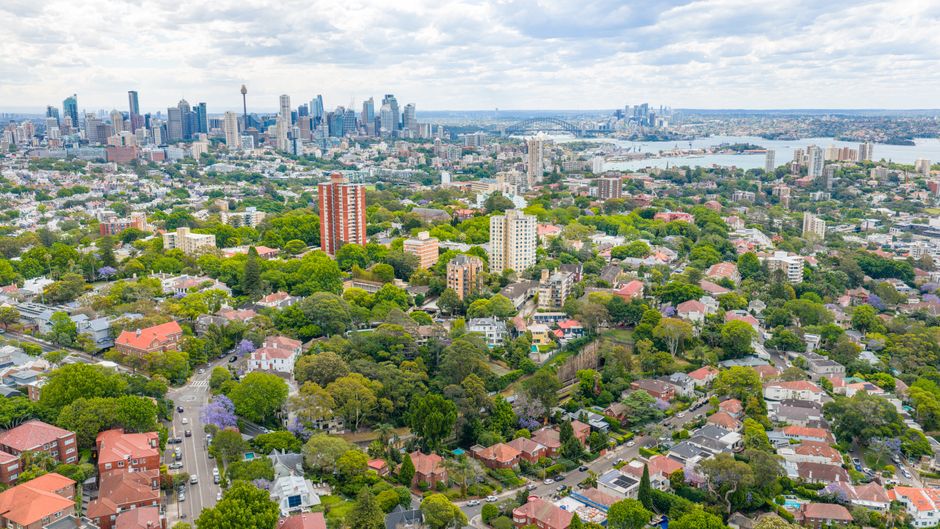
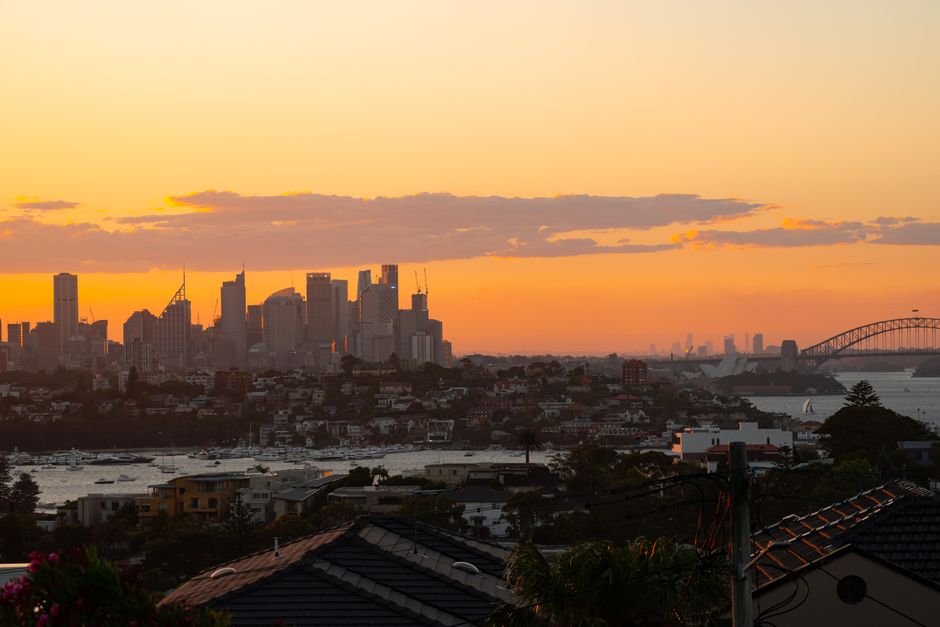
Sydney's median house price is sitting at $1.4 million and showing no sign of retreating. Auction clearance rates across the metro have held between 65 and 72 percent through June, a range that historically signals a seller's market, and agents from Parramatta to Paddington are reporting multiple-offer scenarios on anything priced below $1.6 million. The pressure is structural, not speculative, and it's not going away before spring.
Why does this matter right now? The Reserve Bank of Australia delivered two rate cuts in the first half of 2026, bringing the cash rate to 3.6 percent — low enough to lift borrowing capacity without triggering the kind of panic buying that inflated 2021 prices. What's different this time is the supply side. NSW dwelling approvals fell to a six-year low in the March 2026 quarter, according to Australian Bureau of Statistics data released in May, and inner-ring completions — the product most buyers actually want — remain a fraction of what the market needs. Demand, meanwhile, has a demographic engine behind it: net overseas migration into Greater Sydney is running above 90,000 people annually, and most of them need somewhere to live within 20 kilometres of the CBD.
Where the Pressure Is Sharpest
The Inner West is the clearest case study. Median house prices in Marrickville crossed $1.85 million in the June quarter, up roughly $120,000 from the same period in 2025. Leichhardt and Balmain are not far behind, with off-market trades on federation terraces routinely clearing $2.1 million before the properties ever hit realestate.com.au. The Northern Beaches tell a similar story: Manly's median is pushing $3 million, and stock on Pittwater Road corridors is being absorbed inside ten days of listing.
The choke point is new supply. The NSW Government's Transport Oriented Development program, which mandates higher-density zoning within 400 metres of thirty-seven train stations, was supposed to unlock tens of thousands of new dwellings across corridors including Homebush, Epping and Kogarah. Rezonings are largely in place, but developers have been slow to break ground. Construction costs remain elevated — the Master Builders Association of NSW pegged residential build costs at around $3,800 per square metre for mid-rise apartment work in Sydney as of April 2026 — making feasibility tight even on newly zoned land. The pipeline looks good on paper; the cranes are not keeping pace.
Buyers from interstate are adding another layer. Queensland and Victorian purchasers, priced into Sydney's orbit by the city's employment market, are competing heavily in the $1.1 million to $1.4 million band in suburbs like Arncliffe, Revesby and Fairfield, which had previously offered a buffer from CBD heat. That buffer is largely gone. Domain data from the second quarter of 2026 shows Revesby's median up 11 percent year-on-year.
What Buyers Should Do Before Auction Day
Pre-approval is non-negotiable, and buyers need it refreshed. The two RBA cuts mean lenders have revised serviceability calculations upward, so borrowing capacity may be higher than buyers estimated six months ago — but lenders are also stress-testing applications at a floor rate that could add $400 to $600 a month to repayment estimates. Get the current figures from your broker, not the figures from last year's pre-approval letter.
Buyers should also register with the NSW Government's First Home Buyer Assistance Scheme before they find a property, not after. Stamp duty concessions for purchases below $800,000 — and exemptions below $650,000 — are still available for eligible buyers, and processing delays at Revenue NSW mean late applications can cost settlement time.
Finally, the private-treaty market deserves more attention than buyers typically give it. Melbourne's auction retreat, driven partly by vendor anxiety about public bidding wars, has a quiet parallel in Sydney: a growing number of Balmain and Glebe vendors are choosing expression-of-interest campaigns specifically to avoid the transparent price discovery that auctions create. For a prepared buyer with finance ready, that's leverage — if they know how to read the numbers before submitting.