Sydney's Soccer Infrastructure Boom: Can Local Venues Keep Pace With Growing Demand?
As participation in football surges across western Sydney, clubs and councils are racing to expand training facilities and upgrade aging stadiums.
As participation in football surges across western Sydney, clubs and councils are racing to expand training facilities and upgrade aging stadiums.
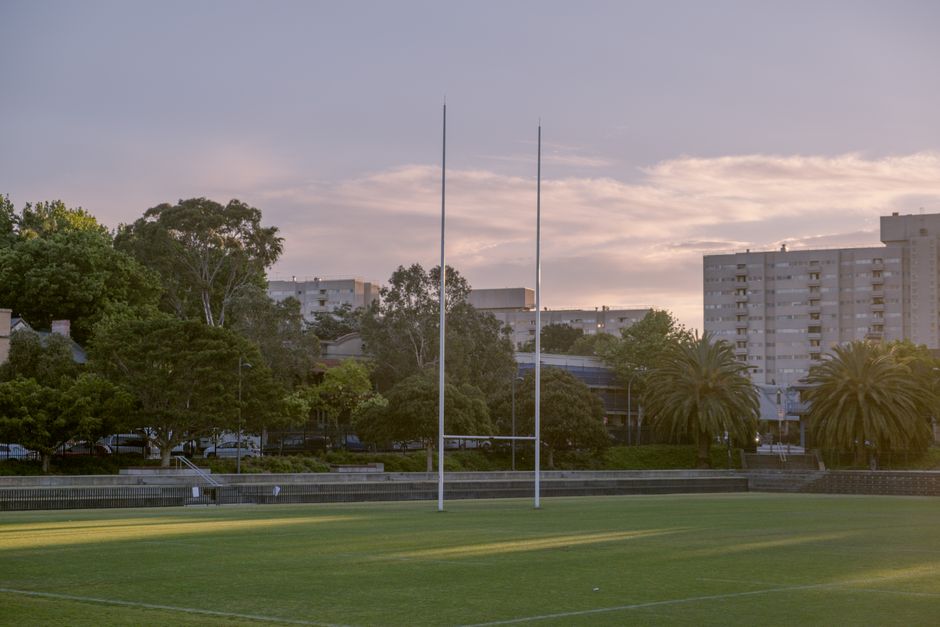
Sydney's love affair with football is putting unprecedented pressure on the city's soccer infrastructure, forcing councils and club operators to fast-track ambitious expansion plans across multiple precincts.
The boom is most visible in western Sydney, where clubs like Parramatta FC and Blacktown City are reporting record junior membership numbers. Yet the facilities supporting this growth remain stretched thin. Parramatta's training complex on Church Street continues to operate at near-capacity during peak hours, with junior teams queuing for pitch time on weekends.
"We're seeing 40 per cent growth in under-12 registrations in some suburbs," says a spokesperson for Football NSW, the sport's state governing body. "The infrastructure hasn't kept pace." Bankstown and Fairfield councils have committed $8 million combined toward new synthetic pitches and improved changeroom facilities, though projects won't be completed until late 2027.
The challenge extends beyond training grounds. Venues like Leichhardt Oval and ANZ Stadium host major matches, but neither was originally built for modern football. The Western Sydney Stadium at Parramatta, opened in 2019, has proven more adaptable, hosting A-League matches and increasingly serving as a training hub for development squads.
Local councils are taking different approaches. Inner West Council has upgraded facilities at Marrickville Oval and Dulwich Hill Park, installing LED floodlighting and improving drainage—critical investments as extreme weather events become more common. Across the river, Sutherland Shire has prioritised synthetic surfaces at Woolooware and Gymea, which now serve up to 2,000 junior players weekly.
Private operators are also moving. Several small-sided futsal venues have opened in Strathfield and Burwood over the past two years, filling a gap for winter training and skill development. Membership fees typically run $15–20 per session, though equipment and facility rental push costs higher for competitive teams.
The infrastructure investment reflects broader trends. Football participation in New South Wales has grown 23 per cent since 2019, outpacing rugby league in some demographics. Yet ageing facilities—many built in the 1970s and 1980s—struggle with maintenance backlogs. Parramatta Council recently reported $2.3 million in deferred repairs across its sports precincts.
With the next FIFA Club World Cup likely to focus global attention on Australian venues, stakeholders are acutely aware that Sydney's reputation depends on modern, world-class infrastructure. For now, local clubs are making do with what they have, even as demand threatens to overwhelm supply.
This article was compiled by AI from the sources linked above and screened before publishing. See our editorial standards.
How does this story make you feel?
Spread the word
About this article
Published by The Daily Sydney
Daily brief
Free, in your inbox before 7am. Weekdays.
More in Sport