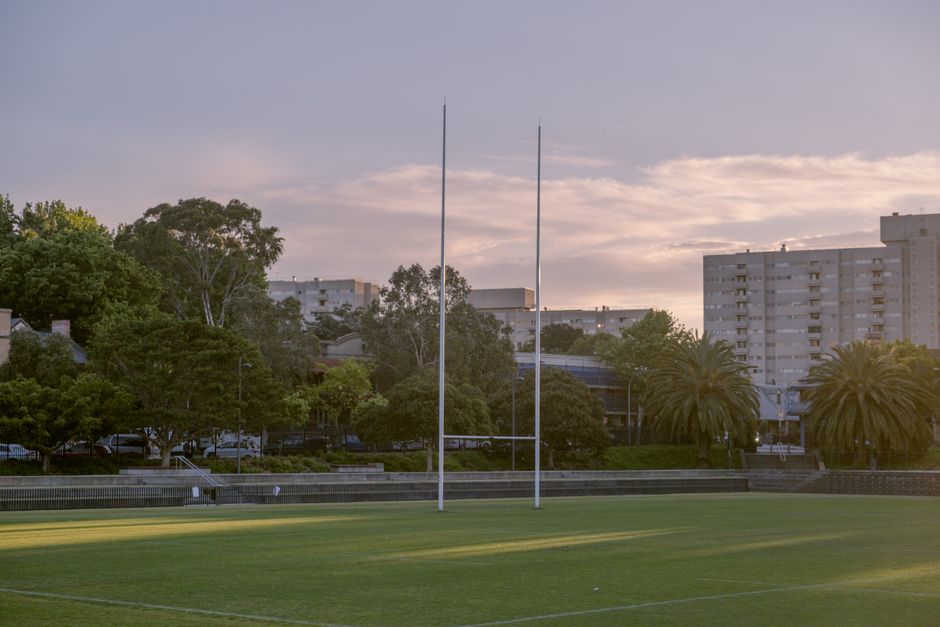
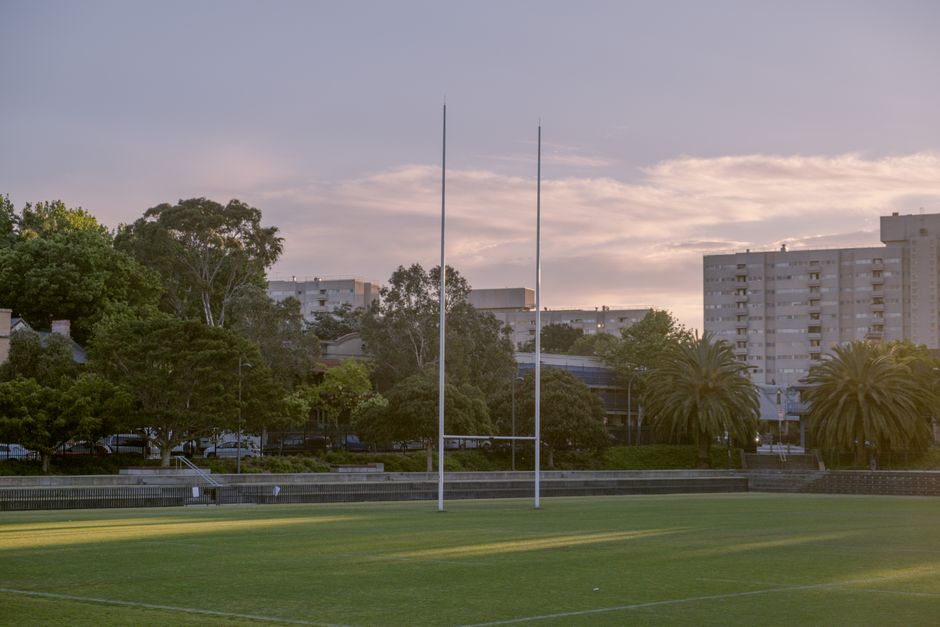
Walk past Wentworth Park on a Saturday morning and you'll find it transformed: junior rugby league teams drilling formations on the grass, netball courts alive with teenage energy, and parents lined along the fence, coffee in hand. This is where Sydney's grassroots sports movement is quietly thriving—not in the polished facilities of professional franchises, but in the volunteer-run clubs dotting suburbs from Cronulla to Coogee.
Recent data from Sport NSW reveals that community sports clubs now engage more than 180,000 young participants across the state, with grassroots organisations reporting their strongest membership numbers in over a decade. In Sydney's inner west alone, clubs have seen participation grow by 22 per cent since 2023, driven by families seeking structured activity and genuine community belonging.
"What we're seeing is parents and kids craving something authentic," explains the landscape of clubs like Maroubra Junior Rugby Club and Sutherland Shire Netball Association, where membership costs remain deliberately modest—typically $120 to $280 per season—making sport accessible rather than exclusive. These organisations operate on razor-thin margins, sustained entirely by volunteer coaches, administrators, and fundraising efforts that range from sausage sizzles at Bunnings to grant applications.
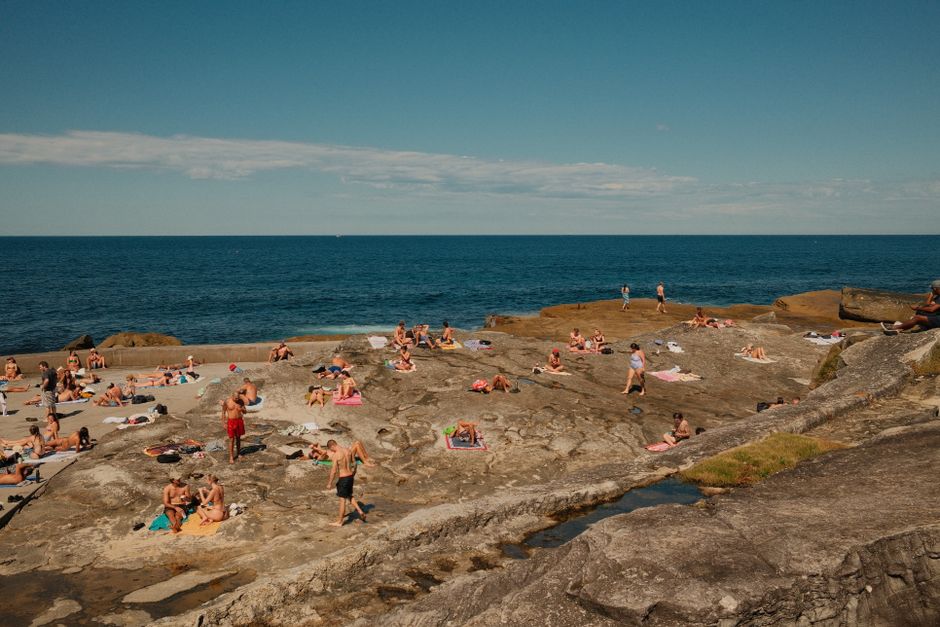
The success formula is deceptively simple: consistency, inclusivity, and genuine care. At Bondi Beach Swim Club's junior program, held at the iconic rock pool, young swimmers progress through structured pathways while building friendships that extend far beyond competition. Similarly, Strathfield Baseball Club has transformed a modest field near Strathfield train station into a hub where kids from a dozen different cultural backgrounds share a common passion.
What distinguishes these clubs from commercial operators is their commitment to development over profit. Rather than culling struggling players, grassroots organisations invest in them. Coaches—invariably unpaid—dedicate countless hours to skill-building and mentorship. Many clubs now employ formal safeguarding protocols and mental health training, recognising their expanded role as community anchors.
The ripple effects extend beyond the field. Club membership correlates with improved school attendance, better mental health outcomes among participants, and strengthened neighbourhood cohesion. Parents volunteer, grandparents attend matches, and extended family networks reconnect around shared purpose.
As Sydney continues its rapid urbanisation, these modest clubs offer something increasingly precious: belonging without barriers, excellence pursued for joy rather than profit, and communities built from the ground up. On any given weekend across Sydney's suburbs, thousands of young athletes are learning that sport's truest value isn't measured in trophies—it's measured in friendships that last a lifetime.
This article was compiled by AI from the sources linked above and screened before publishing. See our editorial standards.