As Sydney's winter sports season enters its decisive stretch, grassroots clubs across the city are ramping up preparation for finals fixtures that will define the year for thousands of young athletes. From Cronulla to Parramatta, the final month of regular competition is separating contenders from pretenders—and revealing the value of structured youth development programs.
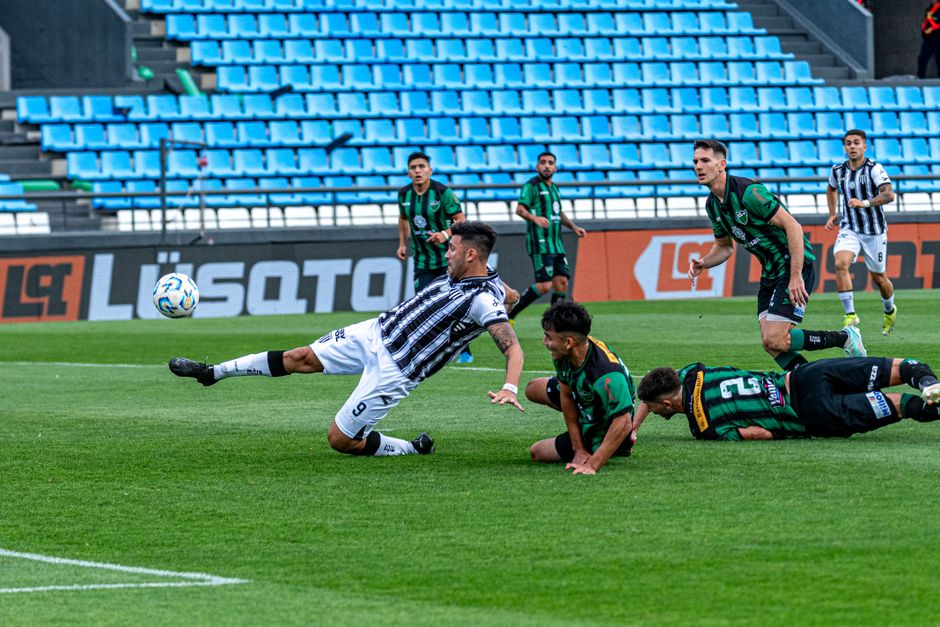
The NSW Junior Rugby League competition reaches its semi-final stage this weekend, with clubs like Sutherland Sharks and Maroubra Sea Eagles fighting for spots in the grand final series. At junior football level, clubs competing in the Metropolitan Junior Football League are navigating a crowded field where marginal improvements in fitness, skill execution and game awareness often determine progression.
"Finals footy is where you see the real results of what clubs have invested in their junior pathways," says a development coordinator at one established inner-west club. Clubs investing in structured coaching education—many now requiring level-two accreditation for their volunteer coaches—are reporting better retention rates and more polished performances when the stakes rise.
Netball NSW's junior competition structure has intensified this season, with the U15 and U17 divisions now featuring longer regular seasons designed to test depth. Clubs operating from facilities like those in Strathfield and the inner west are pushing harder on skill fundamentals and defensive structures as playoff matches approach.
Cost remains a barrier for many families. Junior membership fees at established clubs typically range from $400 to $600 per season, with additional levies for travel and equipment. Some inner-city clubs have introduced hardship provisions, while others partner with local councils—Marrickville and Canada Bay councils both offer subsidies for registered junior members.
The standout development story this season involves clubs prioritizing data-driven feedback. Several participating in the NSWRL Junior league have introduced basic video analysis tools, allowing coaches to review game footage with young players during the week. It's a practice once reserved for elite pathways but increasingly trickling down to suburban clubs.
As finals draw near, the disparity between clubs with sustained investment in coaching development and those operating on goodwill alone becomes acute. Those with structured volunteer education programs, consistent training schedules, and genuine pathways to representative selection are seeing cohorts advance together—building the confidence that carries through pressure moments.
For the thousands of young players pulling on club jerseys across Sydney's suburbs this week, finals are where season-long effort either pays dividends or dissolves. The clubs getting that equation right are proving that grassroots success isn't accident—it's architecture.
This article was compiled by AI from the sources linked above and screened before publishing. See our editorial standards.