Swimming pools across Sydney are experiencing unprecedented demand, with participation in water-based fitness activities up 34 per cent since 2023, according to analysis of membership data from major aquatic centres across the city. The surge offers a telling snapshot of how Sydneysiders are reimagining their relationship with exercise—moving away from traditional gym culture toward activities that combine fitness with lifestyle appeal.
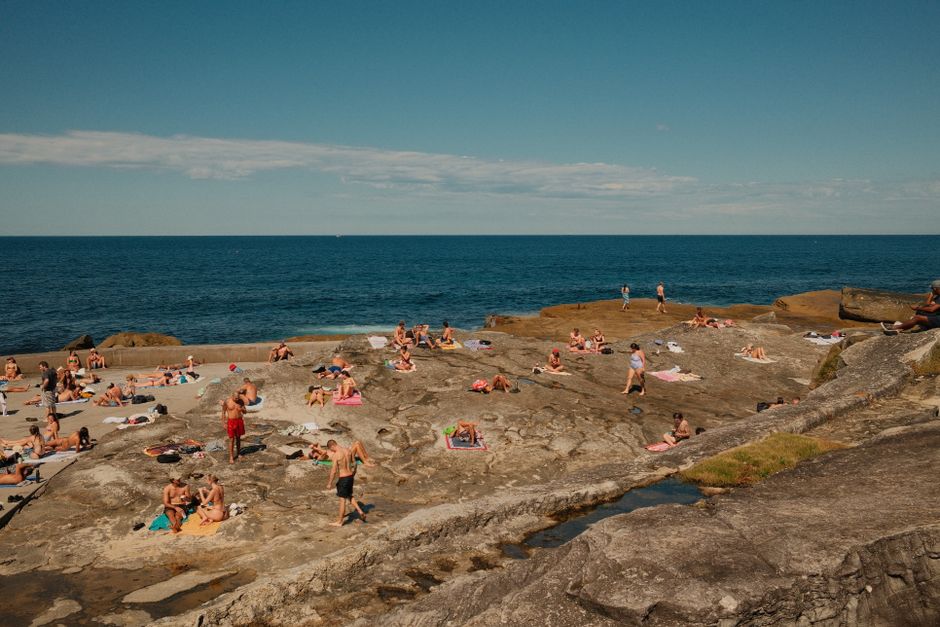
Facilities from Bondi to Homebush are reporting waitlists for classes. At the Prince Alfred Park pool in Surry Hills, swim memberships have increased by 41 per cent year-on-year, while aqua aerobics classes now book out weeks in advance. Inner-west venues like Marrickville Aquatic Centre tell a similar story, with open-water swimming programs at nearby locations consistently full. Even premium facilities in the eastern suburbs—where water access should theoretically be less of a draw—are seeing comparable growth.
The data reveals intergenerational appeal. While younger demographics dominate high-intensity aqua fitness classes, participation among over-55s in recreational swimming has grown 28 per cent, outpacing younger age groups. This suggests water-based activity is filling a gap left by traditional gyms: it's perceived as lower-impact, social, and accessible regardless of fitness level. Swimming memberships now cost between $150 and $280 monthly at council pools, compared to $60-$100 for general pool access, yet demand remains strong.
The participation boom also reflects Sydney's cultural values. With Australia's obesity rate climbing to 32 per cent nationally, and mental health pressures mounting in major cities, locals are increasingly gravitating toward activities with dual benefits. Swimming offers cardiovascular conditioning and meditative qualities simultaneously—something that resonates in a city where wellness culture has become mainstream conversation.
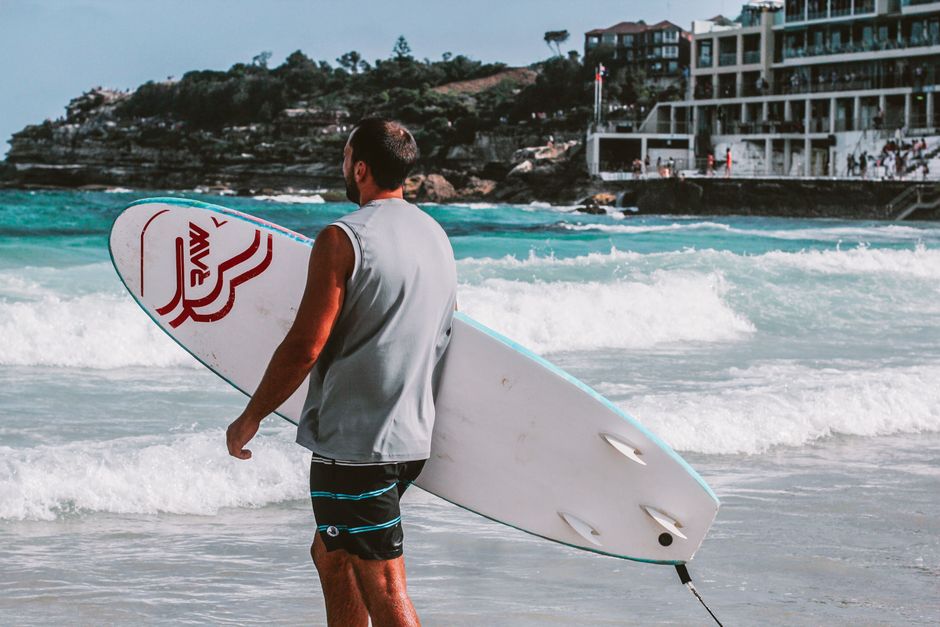
Location matters. Western Sydney hubs like Penrith and Parramatta are seeing explosive growth in family-oriented aquatic programs, reflecting demographic shifts and investment in community infrastructure. Meanwhile, coastal suburbs continue to drive ocean-based participation, with ocean swimming groups and triathlon clubs along the Northern Beaches reporting triple-digit membership increases.
The trend also signals practical preferences. Water activities require less equipment than gym memberships, incur no long-term contracts at most council facilities, and offer flexibility—crucial for time-poor professionals and parents. In a city where outdoor lifestyle is cultural currency, aquatic fitness bridges the gap between serious training and enjoying Sydney's natural aquatic environment.
As winter approaches and air quality occasionally becomes a concern, expect these numbers to climb further. Sydney's water sports boom isn't a temporary fad; it's evidence of a fitness culture fundamentally reshaping itself around accessibility, mental wellbeing, and community.
This article was compiled by AI from the sources linked above and screened before publishing. See our editorial standards.