Sydney's upgraded facilities transform it into Australia's endurance sports capital.
With world-class infrastructure across the city's waterfront and western suburbs, Sydney is cementing itself as Australia's endurance sports capital.
With world-class infrastructure across the city's waterfront and western suburbs, Sydney is cementing itself as Australia's endurance sports capital.
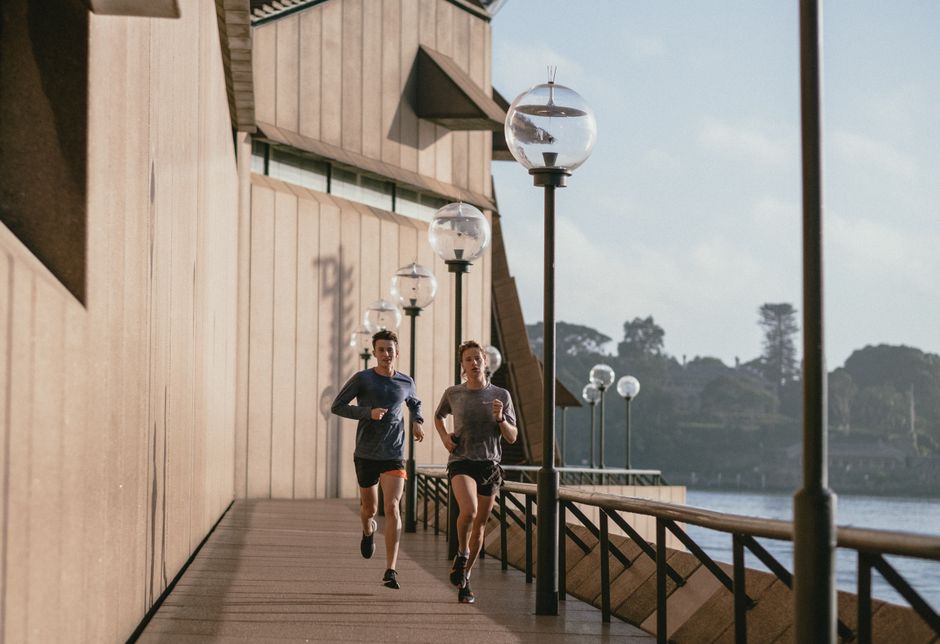
Sydney's endurance sports landscape has undergone a quiet revolution. From the gleaming cycling velodrome in Homebush to the meticulously maintained running tracks dotting the Inner West, the city's investment in facilities is paying dividends for triathletes, runners and cyclists pushing their limits.
The expansion of Penrith Panthers Stadium's cycling precinct, completed in late 2025, has created a dedicated training hub for serious cyclists. The venue now hosts Australia's largest outdoor velodrome alongside two 15-kilometre road cycling routes through the western suburbs, with dedicated bike lanes reducing commute times from the CBD to training grounds to under 45 minutes.
Running infrastructure has similarly flourished. The newly resurfaced Centennial Park loop—a favoured training ground for endurance athletes—now features hydration stations every 2.5 kilometres and real-time air quality monitoring. Moore Park Athletic Track remains the standard-bearer for track work, with subsidised memberships starting at $180 annually for locals, making serious training accessible beyond elite circles.
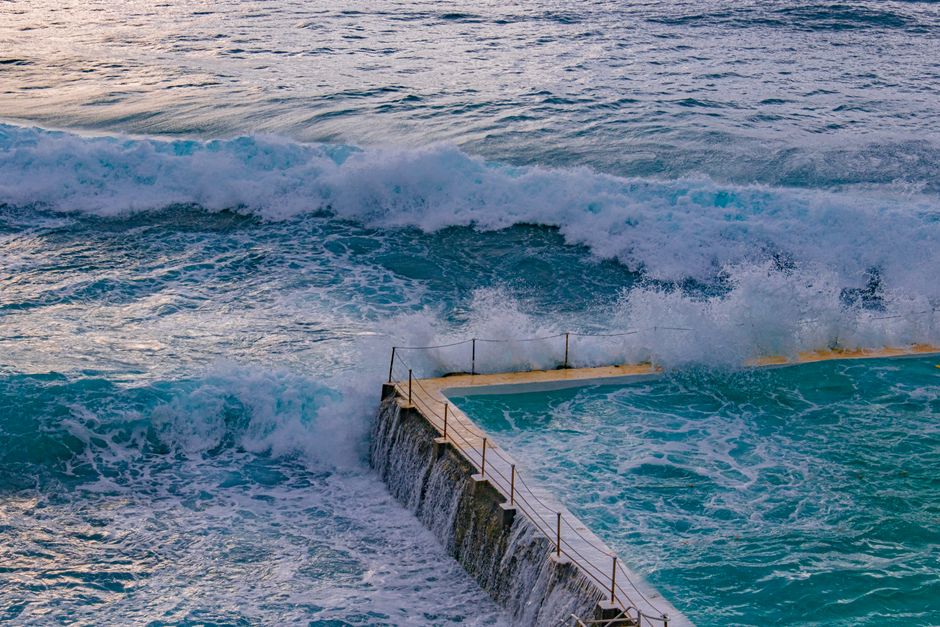
Triathlon has emerged as the real beneficiary. Barangaroo Reserve's protected swimming enclosure, upgraded in 2024, now accommodates 300 swimmers daily with temperature-controlled water zones between 22–24 degrees Celsius year-round. The venue integrates seamlessly with cycling routes through the Domain and parkland toward the Blue Mountains, creating a tri-athlete's playground within walking distance of the CBD.
The numbers reflect this momentum. Participation in triathlon events across Sydney has grown 34 per cent since 2023, according to Triathlon NSW figures. The annual Sydney Harbour Sprint and Olympic distance races attract over 4,000 competitors, many training at local facilities rather than travelling interstate.
Infrastructure investment extends beyond elite venues. The Coastal Path—a 70-kilometre running and cycling corridor stretching from Coogee to the Northern Beaches—receives $8 million annually in maintenance funding. Neighbourhood running clubs in Dulwich Hill, Glebe and Bondi Junction have proliferated, buoyed by reliable, well-lit facilities and community programming.
Yet challenges remain. Demand for off-peak lane access at Olympic Park's aquatic centre often exceeds supply, and inconsistent bike lane connectivity in the Inner West still frustrates cyclists commuting to training. Local councils are addressing these gaps; Leichhardt Council's $12 million cycling infrastructure plan aims to close gaps by 2028.
For endurance athletes, Sydney's trajectory is clear: serious training infrastructure is no longer confined to elite circles. The city's commitment to accessible, distributed facilities means that whether you're chasing a sub-three-hour marathon or preparing for an Ironman, world-class preparation is within reach.
This article was compiled by AI and screened before publishing. See our editorial standards.
How does this story make you feel?
Spread the word
About this article
Published by The Daily Sydney
Daily brief
Free, in your inbox before 7am. Weekdays.
More in Sport