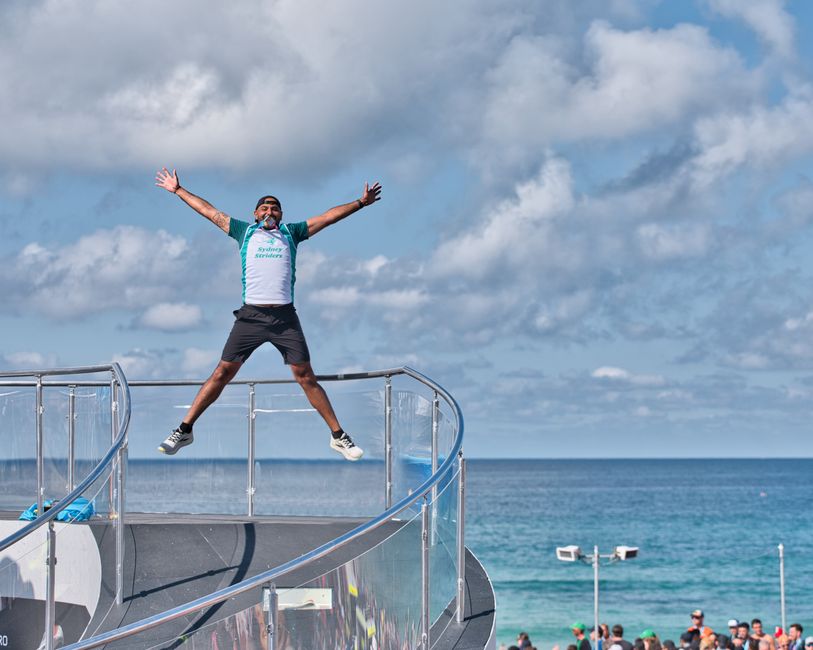
While international football captures headlines, Sydney's grassroots soccer movement is quietly experiencing a renaissance. Across suburbs from the inner west to the sprawling outer regions, local clubs are not just growing their player numbers—they're becoming genuine community anchors that extend far beyond the pitch.
Take Paddington RSA FC, nestled near the heart of the Eastern Suburbs. The 120-year-old club has seen junior membership surge 34 percent in the past two seasons, according to Football NSW data. Their facility on Oxford Street now hosts not just weekend matches, but hosts weekly community barbecues, mental health support workshops, and English language classes for migrant families. The club's commitment has transformed it from a traditional sports venue into a genuine social hub.
Similar stories are unfolding across the city. Parramatta district clubs have collectively invested over $2.3 million in ground improvements since 2024, with several upgrading lighting and changing facilities to international standards. These investments aren't just about attracting talent—they're about accessibility. Evening training now accommodates working parents and shift workers who previously couldn't participate.
The financial reality is equally compelling. While A-League clubs capture media attention, grassroots football generates approximately $847 million annually across New South Wales when accounting for registration fees, merchandise, hospitality, and volunteer-driven economic activity. A typical suburban club like Strathfield SC now operates with a budget exceeding $180,000, employing qualified coaches, nutritionists, and welfare officers.
Diversity has become a defining strength. Clubs across Lakemba, Fairfield, and Penrith now field teams representing over 35 different nationalities. This cultural mixing isn't incidental—it's fundamental. Several clubs have established dedicated inclusion programs, with Fairfield District Soccer Club recently launching women's over-35s competitions to combat isolation among older residents.
The pathway infrastructure deserves particular mention. Sydney now boasts 89 registered grassroots clubs feeding into state-league competitions, creating genuine career trajectories for young players. Clubs like Sutherland Sharks and Cronulla-Sutherland have established formal partnerships with schools across the Shire, normalizing soccer participation from primary level onwards.
These aren't just statistics—they reflect a fundamental shift in how Sydney communities organise themselves. As professional soccer becomes increasingly globalised and expensive, grassroots clubs remain democratically accessible, culturally inclusive spaces where neighbourhoods genuinely know their neighbours. That's where football's real victory lies.
This article was compiled by AI and screened before publishing. See our editorial standards.