Sydney's Water Sports Clubs Build Community Across 5 Neighborhoods
From Coogee to Cronulla, local aquatic organisations are diving deeper into grassroots engagement, transforming neighbourhoods through swimming, diving, and water polo.
From Coogee to Cronulla, local aquatic organisations are diving deeper into grassroots engagement, transforming neighbourhoods through swimming, diving, and water polo.

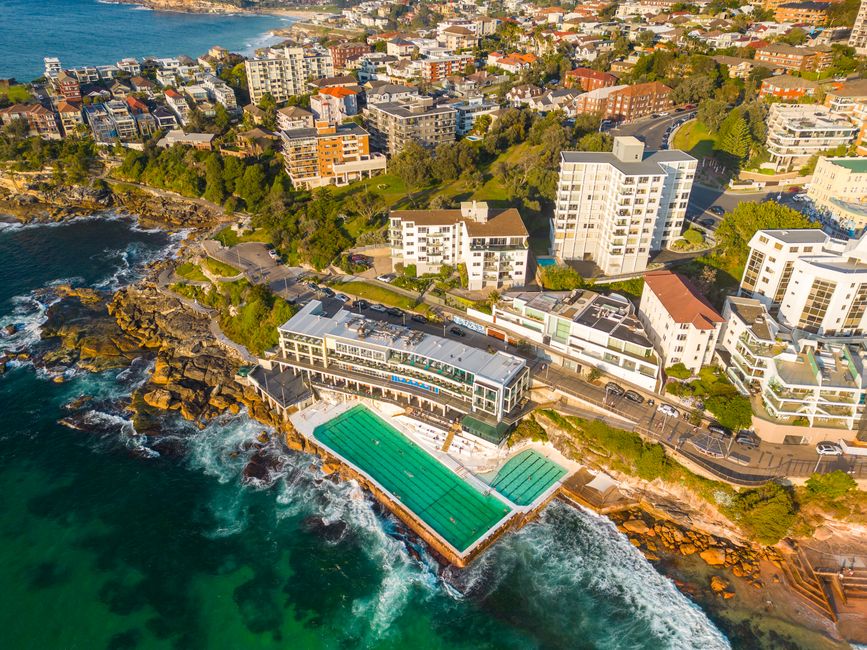
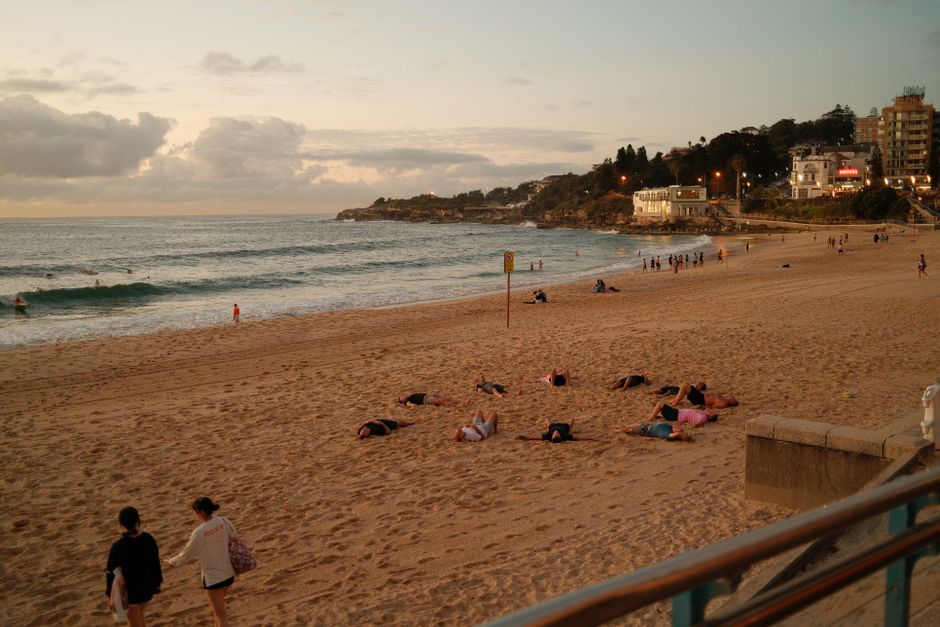
Sydney's waterfront has always been the city's greatest asset, but increasingly it's becoming the beating heart of community connection. Walk along the rockpools at Clovelly or the beaches of Maroubra, and you'll find something remarkable happening: water sports clubs are experiencing unprecedented growth, drawing thousands of participants and reshaping how locals engage with the ocean and pools that define the city.
Cronulla Sharks Swimming Club, operating since the 1960s, has expanded its membership base by 34 per cent over the past two years, now boasting over 1,200 active swimmers across age groups. "We're seeing families who might never have considered competitive swimming suddenly discovering a pathway," says the club's community engagement officer. Similarly, Coogee Aquatic Club reports waiting lists for junior programs—a stark contrast to the lean years of the early 2020s.
The infrastructure investment has been significant. Concord Olympic Pool, recently refurbished with $8.3 million in upgrades, now hosts five different water sports clubs operating concurrent programs. Aquatic centres across the Inner West—from Marrickville to Enmore—have become hubs where swimming, diving, and water polo coexist, creating genuine multi-sport environments.
What's driving this resurgence? Community-focused pricing is part of it. Most Sydney clubs now offer membership packages between $60–$120 monthly for juniors, with subsidised rates for pensioners and low-income families. Maroubra Swim School, positioned in the heart of South Sydney, charges $180 for a four-week beginner course—accessible enough to attract working families.
But it's not just economics. Clubs are deliberately building social infrastructure around aquatic activity. Clovelly Swimming Club now runs weekend water-polo matches that draw spectators from surrounding suburbs. Port Hacking Swim Club in Sutherlandshire organises monthly community swims and beach clean-ups, weaving environmental stewardship into their mission. These aren't just training programs; they're neighbourhood gathering points.
The psychological appeal is undeniable too. Post-pandemic, water-based exercise has become synonymous with wellness and social connection. Swimming offers low-impact fitness, competitive outlets for those interested, and pure recreational joy for families.
What's particularly impressive is the diversity of participation. Clubs report growing numbers of adults returning to the water after decades away, new-arrival communities discovering pathways into local life, and athletes of all abilities finding their level. The Eastern Suburbs Water Polo Association, for instance, now fields teams across three age divisions and two skill levels.
Sydney's water sports clubs aren't simply surviving—they're flourishing by understanding that in a city built around water, community thrives when barriers come down and pathways up. The rockpools and pools are full again, and the dividends extend far beyond the scoreboard.
This article was compiled by AI and screened before publishing. See our editorial standards.
How does this story make you feel?
Spread the word
About this article
Published by The Daily Sydney
Daily brief
Free, in your inbox before 7am. Weekdays.
More in Sport