Sydney's World-Class Venues Transform City Into Global Sporting Powerhouse
From ANZ Stadium to the newly upgraded Olympic Park facilities, Sydney's investment in venues and infrastructure is positioning the city as a global sporting destination.
From ANZ Stadium to the newly upgraded Olympic Park facilities, Sydney's investment in venues and infrastructure is positioning the city as a global sporting destination.
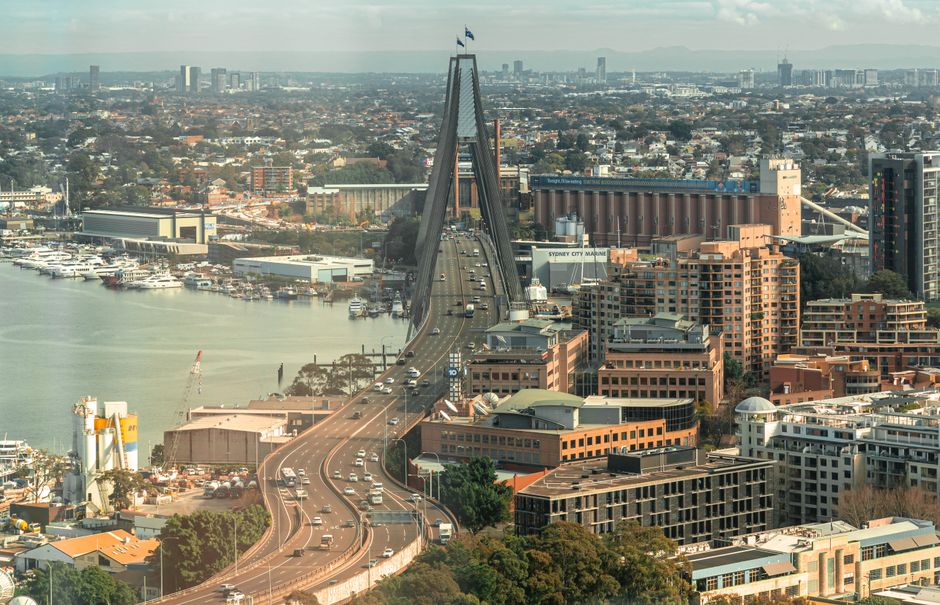
Sydney's sporting infrastructure has undergone a profound transformation over the past decade, with multi-billion dollar investments reshaping how athletes train, compete and how fans experience sport across the metropolitan area.
The 75,000-capacity ANZ Stadium in Homebush remains the centrepiece of Sydney's sporting landscape, hosting everything from rugby league's NRL Grand Final to international football matches. Yet the real story lies in the layered network of facilities supporting elite and grassroots sport throughout greater Sydney. Olympic Park itself, legacy of the 2000 Games, continues evolving—the recently completed upgrades to aquatic centres and athletic facilities have cost the state government an estimated $300 million since 2020.
In the inner west, the newly refurbished facilities at Darling Harbour's sports precinct now accommodate basketball, netball and volleyball clubs, while the Sydney Cricket Ground and UNSW Canberra Oval in the Eastern Suburbs maintain their status as world-class venues for cricket and football respectively. The SCG alone hosts over 60 event days annually and generates significant economic activity across Paddington and Moore Park.
What distinguishes Sydney's current infrastructure approach is accessibility. Suburban sporting complexes in Penrith, Parramatta and Cronulla have received substantial upgrades, ensuring regional participation isn't confined to inner-city venues. Investment in synthetic pitch technology across local council facilities has democratised access to quality playing surfaces—previously concentrated in elite facilities, quality pitches are now standard across outer suburbs.
The economic impact is measurable. Tourism NSW reports that sporting events generate approximately $1.8 billion annually for the state economy, with venue infrastructure central to attracting major international fixtures. The upcoming rugby league championship matches and potential hosting of international football qualifiers depends entirely on maintaining these facilities to global standards.
However, challenges persist. Maintenance costs for ageing facilities, particularly legacy Olympic infrastructure, strain council budgets. The Western Sydney region's population growth has outpaced facility development, creating bottlenecks in peak participation periods.
Looking forward, Sydney's infrastructure strategy increasingly emphasises sustainability. Recent modifications to several venues include solar panel installations and water recycling systems—practical investments that reduce long-term operational costs while aligning with NSW's climate commitments.
For Sydney's athletes and sports fans, the message is clear: venue quality determines competitive outcomes and participation rates. As the city competes globally for sporting events, its infrastructure investment isn't merely about bricks and mortar—it's about enabling performance and building community.
This article was compiled by AI and screened before publishing. See our editorial standards.
How does this story make you feel?
Spread the word
About this article
Published by The Daily Sydney
Daily brief
Free, in your inbox before 7am. Weekdays.
More in Sport