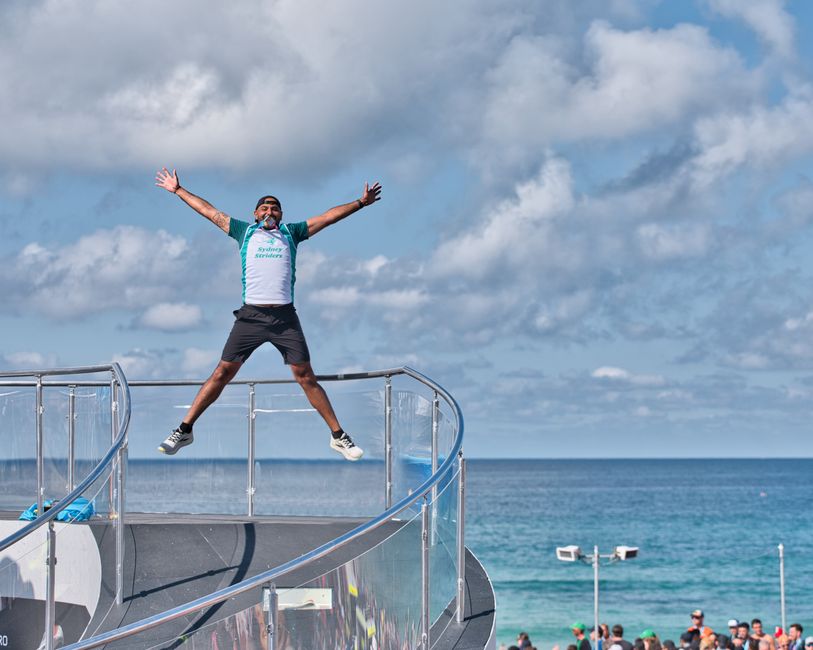
The transformation is unmistakable across Sydney's premium gym corridors. From Surry Hills to the CBD, facility managers report a 34 per cent spike in membership enquiries since late June, driven by the same psychological force that fills pubs on game day: finals season is here, and it's changing how everyday Sydneysiders train.
"We see it every year, but this cycle has been particularly pronounced," says strength conditioning culture across major gyms in the Eastern Suburbs. Facilities in Paddington and Double Bay—traditional strongholds for professional athlete training—have extended operating hours to accommodate the surge. Peak times have shifted earlier, with 5am sessions now regularly fully booked as commuters compress their workouts before heading to offices along Macquarie Street.
The trend reflects broader data. Industry tracking suggests Australians increase gym attendance by up to 40 per cent during finals periods, with particular momentum in Sydney's inner west and north. Facilities in Crows Nest and Neutral Bay, positioned near major transport hubs, report waiting lists for personalized coaching packages through August.
Programming has evolved accordingly. Rather than generic strength circuits, gyms now offer sport-specific conditioning. High-intensity interval training mimicking the explosive demands of AFL and rugby league has become standard. Functional movement classes emphasizing lateral agility, core stability, and injury prevention pack afternoon slots. Nutrition consultations—increasingly bundled with membership—reflect finals-season focus on body composition and recovery protocols.
Pricing reflects demand. Premium facilities in the CBD's Martin Place precinct have introduced finals-specific packages at $299 for eight weeks, double the typical monthly rate. More accessible options across Redfern and Waterloo remain competitive, though wait times for equipment suggest capacity constraints.
The psychology runs deeper than vanity. Finals season transforms the gym from solitary obligation into communal ritual. Training partners reference weekend results; group sessions echo with match analysis. For many Sydneysiders without direct playing involvement, the gym becomes a tangible extension of their team investment.
Recovery infrastructure has become equally critical. Foam rolling stations, stretching areas, and ice bath facilities—once luxury add-ons—are now operational necessities. Some facilities have introduced sauna and cold plunge combos, capitalizing on emerging sports science around thermal stress adaptation.
As the pathway to October narrows, Sydney's fitness industry is positioning itself as essential infrastructure for the city's sporting obsession. For the next eight weeks, the gym floor becomes an arena where commitment to weekly training mirrors commitment to weekly results.
This article was compiled by AI and screened before publishing. See our editorial standards.