Barangaroo: The Headland That Was Given Back
The western CBD foreshore reclaimed from industrial use has become Sydney Harbour's most significant new open space.
The western CBD foreshore reclaimed from industrial use has become Sydney Harbour's most significant new open space.
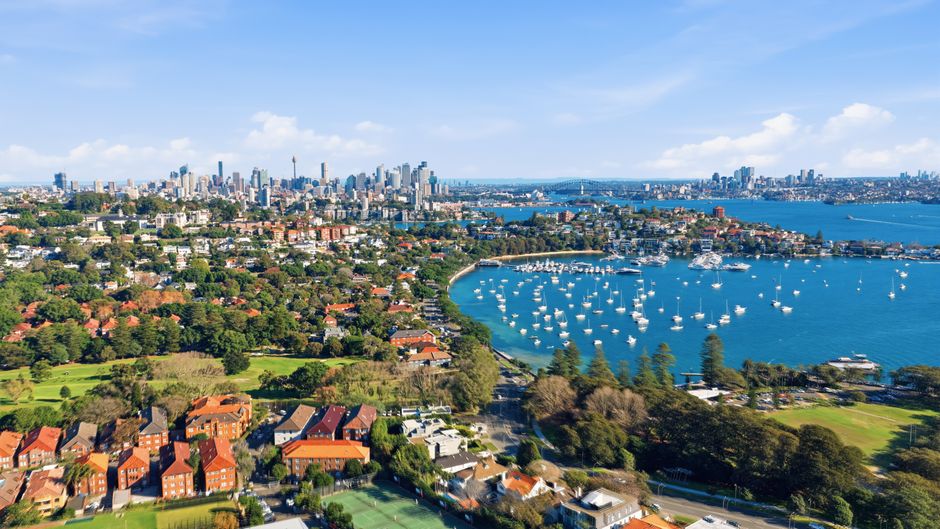
Barangaroo Reserve, the 6-hectare headland park opened in 2015 on the western CBD waterfront, represents one of the most significant acts of urban landscape restoration in Australian history: the removal of concrete industrial infrastructure and the replanting of the headland with 75,000 indigenous plants to recreate the sandstone headland landscape that the site carried before European industrialisation. The reserve's restoration used archaeological and historical evidence to reconstruct the vegetation communities and the sandstone landform that the harbour's western shoreline presented before being reshaped for industrial purposes in the nineteenth century.
The broader Barangaroo precinct, including the commercial towers of Barangaroo South and the Darling Harbour connections at Barangaroo's southern end, provides the mixed development context within which the headland reserve sits as a public open space. The balance between the commercial development that funds significant parts of the precinct's infrastructure and the public reserve that the community demanded has been the subject of ongoing scrutiny, with the delivered proportions and the water access provided measured against the commitments made during the approval process.
The Indigenous cultural heritage of the Barangaroo site, named for the Cammeraygal woman who was a significant figure in early colonial history, has been recognised through interpretive elements that acknowledge the Country on which the precinct sits and the long history of Aboriginal presence on the western harbour foreshores that archaeological investigation has documented. The integration of cultural heritage acknowledgement with the landscape restoration that the reserve represents provides a model for urban renewal that engages with pre-colonial history.
The waterfront promenade connecting Barangaroo to Darling Harbour to the south and to the Walsh Bay arts precinct to the north has created a continuous public pedestrian foreshore that provides the harbour access that urban waterfronts at their best enable. The walking and cycling path allows CBD residents and workers to engage with the harbour throughout the working day in ways that the previous industrial foreshore prevented.
This article was compiled by AI from the sources linked above and screened before publishing. See our editorial standards.
How does this story make you feel?
Spread the word
About this article
Published by The Daily Sydney
Daily brief
Free, in your inbox before 7am. Weekdays.
More in News