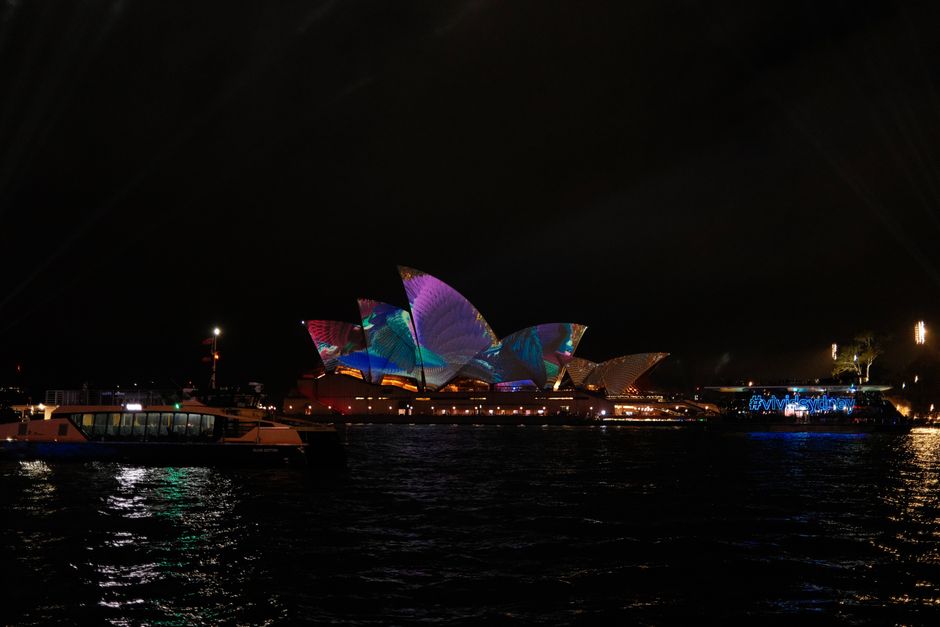
Circular Quay: Where the Icons Meet the Everyday City
The harbour foreshore where the Opera House, the Bridge, and the daily commute converge.
The harbour foreshore where the Opera House, the Bridge, and the daily commute converge.
Circular Quay, the harbour foreshore at the base of the Sydney CBD where the ferry terminals, the rail station, and the pedestrian promenade of the East Circular Quay create the transportation hub and the public gathering space that the presence of the Sydney Opera House to the east and the view of the Harbour Bridge to the west make one of the most visually spectacular urban public spaces in the world, is simultaneously the transport interchange that tens of thousands of Sydney commuters and tourists use daily and the viewpoint from which the harbour panorama that defines Sydney's identity is experienced by the millions of visitors who make the journey to the Quay specifically for the view that no photograph can prepare the first-time visitor for. The ordinariness of the daily commuter flow through the ferry terminals and the extraordinary of the harbour setting create the tension that makes Circular Quay one of the most complex and most alive urban spaces in Australia.
The Sydney Opera House, the Jorn Utzon-designed performance venue that was completed in 1973 after the famously troubled construction period and that is now one of the most recognisable buildings in the world and Australia's only building on the UNESCO World Heritage List, provides the cultural anchor of the Circular Quay precinct and the single most visited site in Australia. The Opera House's performance program, spanning the opera, the symphony, the theatre, and the popular music that the multiple venues within the building host across the year, sustains the cultural institution's role as Australia's premier performance venue alongside its identity as the architectural icon that defines Sydney globally.
The Rocks, the heritage sandstone precinct on the western side of Circular Quay that preserves the colonial buildings and the early settlement character of the area where European Australia began with the arrival of the First Fleet in 1788, provides the historical complement to the contemporary performance culture of the Opera House. The Rocks' cobbled laneways, the weekend market, and the heritage pubs including the Lord Nelson and the Hero of Waterloo that claim to be among Sydney's oldest licensed premises, create the heritage experience that the tourist who has visited the Opera House and the Bridge adds to the Circular Quay itinerary.
The Museum of Contemporary Art on the western edge of Circular Quay, housed in the former Maritime Services Board Building and providing free admission to its permanent collection alongside the ticketed major touring exhibitions, provides the visual arts institution that the Circular Quay precinct requires to complete the cultural offer that the Opera House and the Bridge's visual impact creates. The MCA's position between the tourist flow of the Circular Quay foreshore and the residential and commercial population of the CBD provides the foot traffic that sustains the contemporary art museum's accessibility and the free permanent collection's role as the democratic arts resource that the city centre location enables.
This article was compiled by AI from the sources linked above and screened before publishing. See our editorial standards.
How does this story make you feel?
Spread the word
About this article
Published by The Daily Sydney
Daily brief
Free, in your inbox before 7am. Weekdays.
More in Community