Sydney's Housing Crisis: The Numbers Behind the Story
Australia's largest city has the least affordable housing of any major English-speaking city in the world.
Australia's largest city has the least affordable housing of any major English-speaking city in the world.
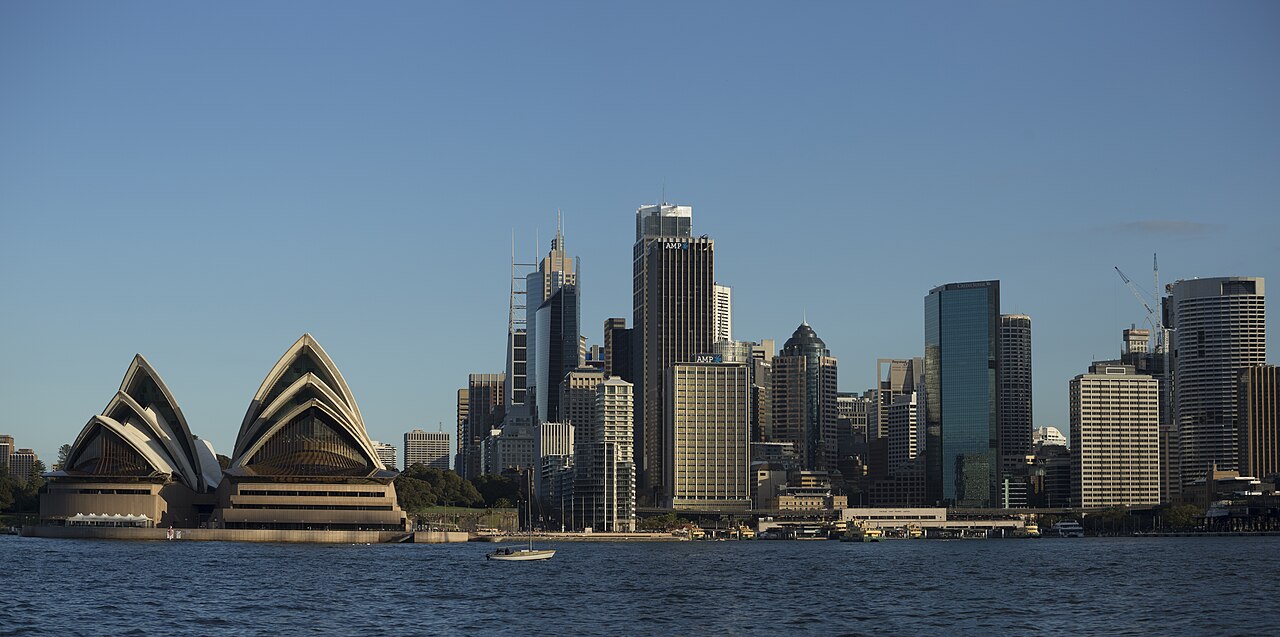
Sydney's housing unaffordability is, by international measures, among the most severe of any major city. The ratio of median house prices to median household incomes has reached levels that place Sydney in the company of Hong Kong and Vancouver rather than comparable cities in the United States or Europe where housing markets, while expensive, have retained more connection to local income levels.
The causes are structural rather than cyclical. Geographic constraints, with the Pacific Ocean to the east, national parks to the north and south, and the Blue Mountains to the west, limit the expansion of the metropolitan area in ways that flat, inland cities do not face. Planning restrictions on density in established suburbs have concentrated development in corridors that lack the infrastructure to support the population growth they are absorbing.
Investor ownership of a substantial portion of the dwelling stock, supported by negative gearing and capital gains tax concessions that have been politically difficult to reform, has maintained price growth expectations that underpin the investment case. The interplay between tax policy, speculative demand, and supply constraints has produced a market that multiple successive federal and state governments have acknowledged as problematic without producing policy responses adequate to the scale of the challenge.
The social consequences of Sydney's housing costs are visible in demographic change, with essential workers, young families, and recent migrants concentrating in the western suburbs and regional cities as central and inner-ring suburbs become effectively inaccessible to households without significant equity or family assistance. The spatial concentration of disadvantage that results from this sorting affects the city's social cohesion in ways that urbanism researchers have documented with increasing concern.
This article was compiled by AI from the sources linked above and screened before publishing. See our editorial standards.
How does this story make you feel?
Spread the word
About this article
Published by The Daily Sydney
Daily brief
Free, in your inbox before 7am. Weekdays.
More in Finance