Investment Property in Sydney: The Best Suburbs for Rental Yields in 2026
Which Sydney suburbs deliver the best rental yields and capital growth for property investors in 2026?
Which Sydney suburbs deliver the best rental yields and capital growth for property investors in 2026?
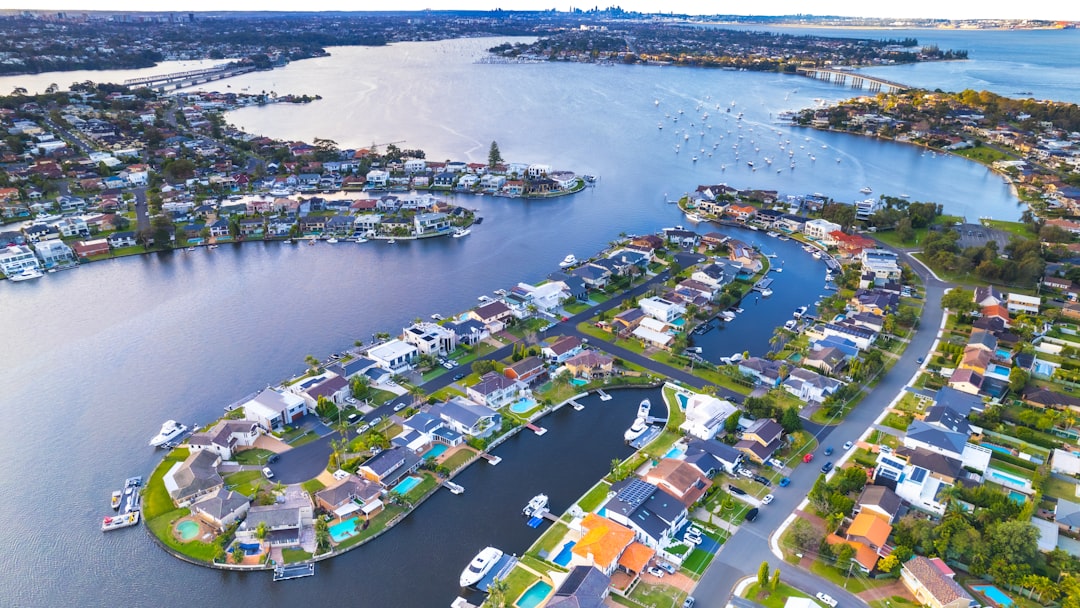
Sydney's rental market in 2026 is characterised by critically low vacancy rates and rents that have risen sharply across most segments of the market. The overall vacancy rate across greater Sydney sits below one per cent according to the latest SQM Research data, a figure that represents near-zero effective vacancy when accounting for properties that are between tenancies or undergoing minor works. This environment has driven median weekly rents for houses to approximately $750 to $850 per week across the greater Sydney area, while units average $550 to $680 per week depending on location and size. The combination of record migration intake, a severe undersupply of new dwellings relative to household formation rates, and the shift of some former rental stock to short-stay platforms has created conditions that strongly favour property investors in 2026.
When comparing gross rental yields across property types, Sydney units consistently outperform houses in 2026. Well-located units in middle and outer ring suburbs are delivering gross yields in the 4.0 to 6.2 per cent range, with some purpose-built student accommodation and inner-ring one-bedroom units approaching 6.5 per cent in high-demand pockets. Houses, by contrast, typically yield 2.8 to 4.0 per cent across greater Sydney due to their much higher purchase prices relative to weekly rents, though they tend to generate stronger long-run capital growth. Investors are increasingly being advised by buyers' agents to run a blended strategy: high-yielding units for cash flow and moderate capital growth, with houses reserved for those with longer timeframes and stronger equity positions willing to accept lower yield in exchange for stronger appreciation.
Four specific Sydney suburbs offer compelling investor fundamentals in 2026. Auburn, in the inner west, delivers unit gross yields of around 5.1 to 5.8 per cent, driven by proximity to Parramatta CBD, excellent train access on the T1 Western Line, and a large renter cohort of working professionals and students. Liverpool, in Sydney's south west, benefits from its role as a major regional centre, the soon-to-open Western Sydney Airport precinct, and a significant shortage of rental accommodation relative to its rapidly growing population; gross yields for units here sit around 5.0 to 5.5 per cent. Dee Why on the Northern Beaches has seen growing investor interest due to its lifestyle appeal attracting professional renters, beach proximity, and relatively lower entry prices compared to Manly; units yield approximately 4.2 to 4.8 per cent with strong capital growth expectations. Finally, Parramatta's established unit market remains a perennial favourite, with its status as Sydney's second CBD, strong transport infrastructure and ongoing commercial development underpinning both yield at around 4.5 per cent and long-term capital growth prospects.
Sydney landlords in 2026 need to understand the running costs that eat into gross yields to assess true net returns. Professional property management fees typically run at 6 to 9 per cent of weekly rent plus a letting fee of one to two weeks' rent for each new tenancy, a cost that is almost always justified given the complexity of NSW tenancy law. Maintenance and capital expenditure should be provisioned at approximately one to 1.5 per cent of property value annually, more so for older stock. On the tax side, a quality quantity surveyor depreciation report can add thousands of dollars of annual deductions for investors in properties built after 1987, and should be commissioned in the first year of ownership. Sydney landlords who actively manage vacancy, screen tenants carefully, and maintain properties to a good standard are consistently achieving the strongest net returns in a market that structurally favours the supply side for the foreseeable future.
This article was compiled by AI from the sources linked above and screened before publishing. See our editorial standards.
How does this story make you feel?
Spread the word
About this article
Published by The Daily Sydney
Daily brief
Free, in your inbox before 7am. Weekdays.
More in Finance