Metro West Sydney Construction Impact: Parramatta Residents Speak
Western Sydney residents and businesses weigh Metro West construction disruption against promised transport benefits. See what Parramatta locals say about the $20B project.
Western Sydney residents and businesses weigh Metro West construction disruption against promised transport benefits. See what Parramatta locals say about the $20B project.
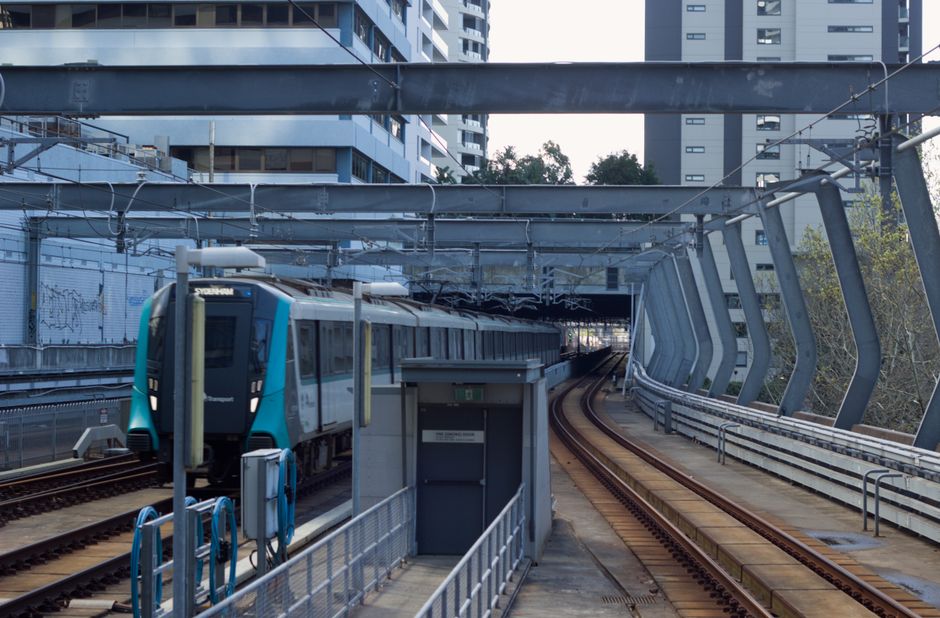
The sound of pile drivers and excavators has become the soundtrack to life in Parramatta and the inner west. With Metro West now in full construction mode, residents along the 24-kilometre corridor are wrestling with a familiar infrastructure paradox: the promise of transformative transport improvement weighed against years of disruption, noise and uncertainty.
Along Church Street in Parramatta, where retail vacancy rates have climbed to 12 per cent amid construction impacts, local business operators express cautious optimism tinged with real concern. The corridor has endured significant footfall challenges since 2023, with some shopkeepers reporting up to 40 per cent drops in trade during peak construction phases. Yet many acknowledge the long-term vision—reduced commute times of up to 15 minutes into the CBD by 2032—represents genuine relief for the 1.2 million people already living in Western Sydney.
Housing affordability remains entwined with transport sentiment. In suburbs like Westmead and Five Dock, where median unit prices have reached $850,000 and $1.1 million respectively, residents see Metro stations as potential anchors for their property investments and their daily lives. However, renters and first-home buyers in these areas express frustration that construction timelines and ongoing housing supply constraints offer little immediate relief to the crisis affecting Sydney's younger generations.
Environmental concerns also surface in community conversations. Residents in Glebe and Camperdown have raised questions about cumulative impacts of construction waste, traffic diversions onto local streets, and green space disruption. The Darling Street strip in Balmain has become something of a case study: strong community support for the project coexists with complaints about inadequate traffic management and pedestrian safety measures during peak construction windows.
Transport advocates point to Metro West as essential infrastructure for a city projected to grow by another 1.7 million people by 2050. The NSW Labor government has positioned the project as central to decentralising congestion and supporting Western Sydney's economic centre of gravity. Yet governance and communication around the project remains a flashpoint. Some residents in affected areas report feeling informed primarily through construction signs and notification letters, rather than meaningful engagement opportunities.
As drilling continues beneath Ashfield, Strathfield and Barangaroo, a clear theme emerges: communities aren't opposed to transformation, but they want genuine acknowledgment of their lived experience during the construction phase. For many, Metro West isn't just about trains and timings—it's about whether Sydney's infrastructure planning truly serves all its residents, not just those at journey's end.
This article was compiled by AI and screened before publishing. See our editorial standards.
How does this story make you feel?
Spread the word
About this article
Published by The Daily Sydney
Daily brief
Free, in your inbox before 7am. Weekdays.
More in News


