Sydney Office Vacancy Rates Hit 10%: CBD Investment Shifts
Sydney's CBD office market shows 10% vacancy rates near Pitt Street, while institutional capital flows to Barangaroo and Parramatta. What's driving commercial property investment shifts?
Sydney's CBD office market shows 10% vacancy rates near Pitt Street, while institutional capital flows to Barangaroo and Parramatta. What's driving commercial property investment shifts?
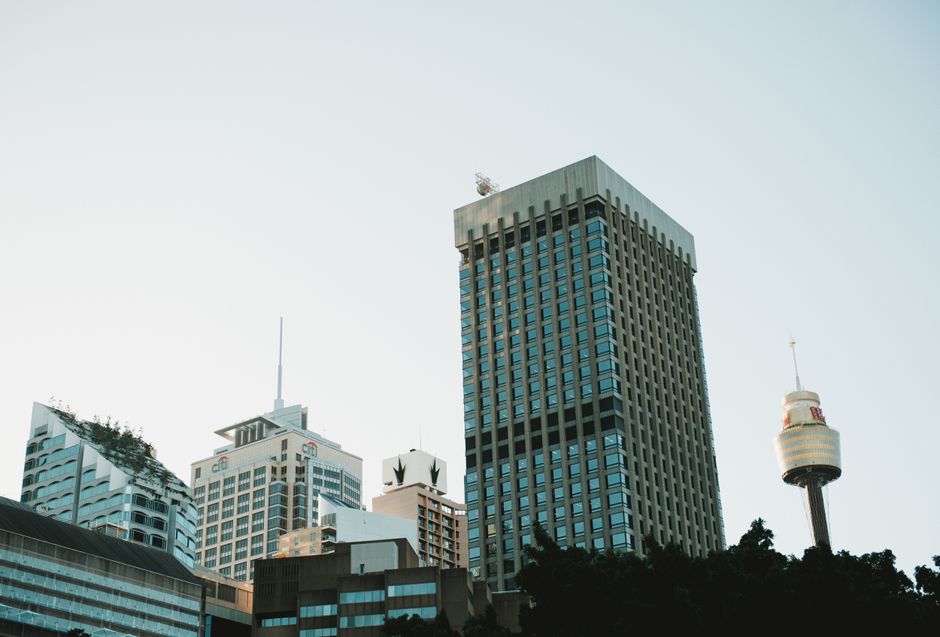
Sydney's commercial property landscape is telling a story of divergence. While national wealth indicators suggest Australia's investor class is wealthier than ever, the translation into office market activity reveals something more nuanced—and concerning for traditional CBD landlords.
Recent data shows vacancy rates in Sydney's core CBD, particularly around Pitt Street and Martin Place, hovering near 10 per cent, well above the pre-pandemic 6 per cent benchmark. Simultaneously, investment flows into premium office space have concentrated heavily in specific precincts. Barangaroo and the emerging Parramatta CBD are attracting institutional capital, while secondary CBD locations struggle to command tenant commitments.
The economics behind this shift are worth understanding. Higher interest rates—which remain elevated despite recent RBA pauses—have fundamentally altered investment mathematics. Capital availability for office development has contracted, making debt financing more expensive for developers. This filters directly into lease negotiations: landlords with recent debt refinancing face higher carrying costs, pressuring rental growth assumptions that drove earlier investment decisions.
Tax incentives and depreciation benefits that historically underpinned office investment returns have also shifted. The National Building Accommodation Leasing Arrangement (NBLA) reforms have reduced depreciation deductions for newer buildings, lowering after-tax returns for investors. For funds managing billions in Australian exposure, this has redirected capital toward alternative asset classes—particularly logistics and residential—where yield profiles remain more attractive.
Meanwhile, Australia's elevated median wealth position—third globally according to recent wealth reports—masks a key divergence. That wealth is increasingly concentrated, with fewer high-net-worth individuals and institutions making large allocation decisions. This concentration effect means major commercial property decisions rest with a smaller pool of decision-makers, amplifying market swings rather than smoothing them.
Tenant demand patterns compound these pressures. Tech and professional services firms occupying premium space around Wynyard and Circular Quay remain selective, favouring newer sustainability-certified buildings with hybrid working accommodation. Traditional office towers lacking recent refurbishment struggle to attract quality tenants willing to pay premium rents.
For investors reading market signals, the lesson is clear: economic indicators now favour selective, precinct-based positioning rather than broad CBD exposure. Growth will likely concentrate in well-capitalised developments in Parramatta, secondary office conversions in inner-west precincts like Ultimo, and continued strength in logistics assets servicing Sydney's expanding residential population.
The question for 2026 is whether tightening credit conditions and concentrated wealth will eventually force a recalibration of CBD valuations, or whether selective institutional buying will provide a floor. Current indicators suggest waiting to see which story unfolds before committing fresh capital.
This article was compiled by AI and screened before publishing. See our editorial standards.
How does this story make you feel?
Spread the word
About this article
Published by The Daily Sydney
Daily brief
Free, in your inbox before 7am. Weekdays.
More in Business