Sydney office vacancy hits crisis point, forcing strategy shift
Soaring empty space forces property owners and businesses to overhaul real estate plans across CBD and suburbs.
Soaring empty space forces property owners and businesses to overhaul real estate plans across CBD and suburbs.
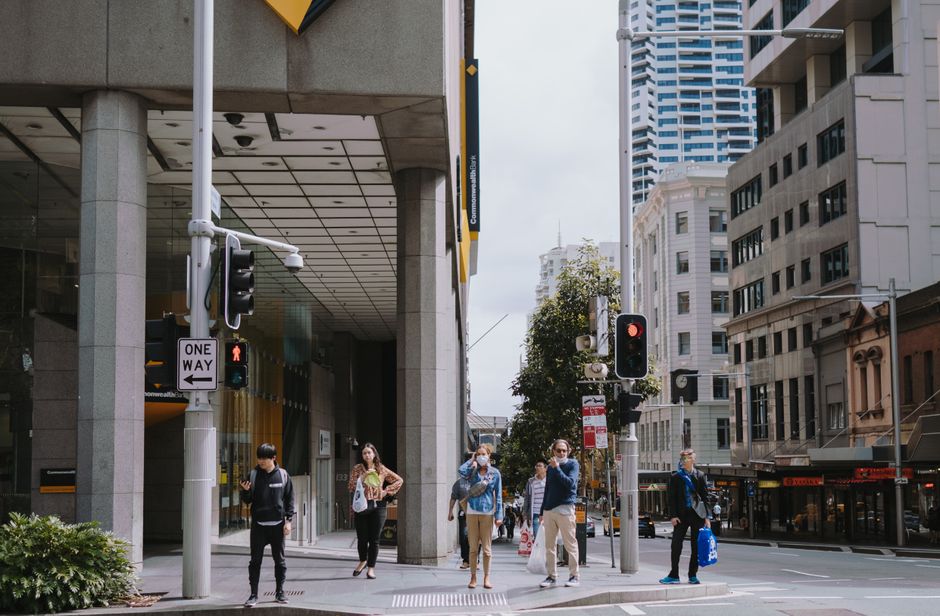
Sydney's commercial property market is sending mixed signals as we enter the second half of 2026, with businesses facing a markedly different landscape from the tight conditions of previous years.
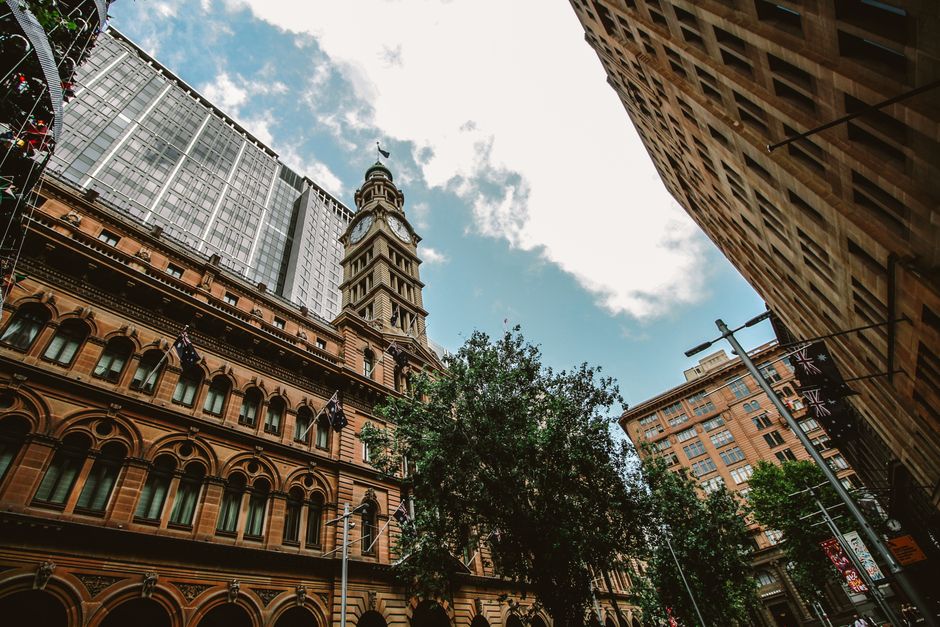
The CBD office vacancy rate has climbed to levels not seen since the pandemic recovery, with prime space along Macquarie Street, Martin Place and even the increasingly competitive Barangaroo precinct showing softening demand. Recent market data suggests vacancy in flagship office towers has edged toward 12-14%, a significant shift from the sub-9% rates that characterised 2024.
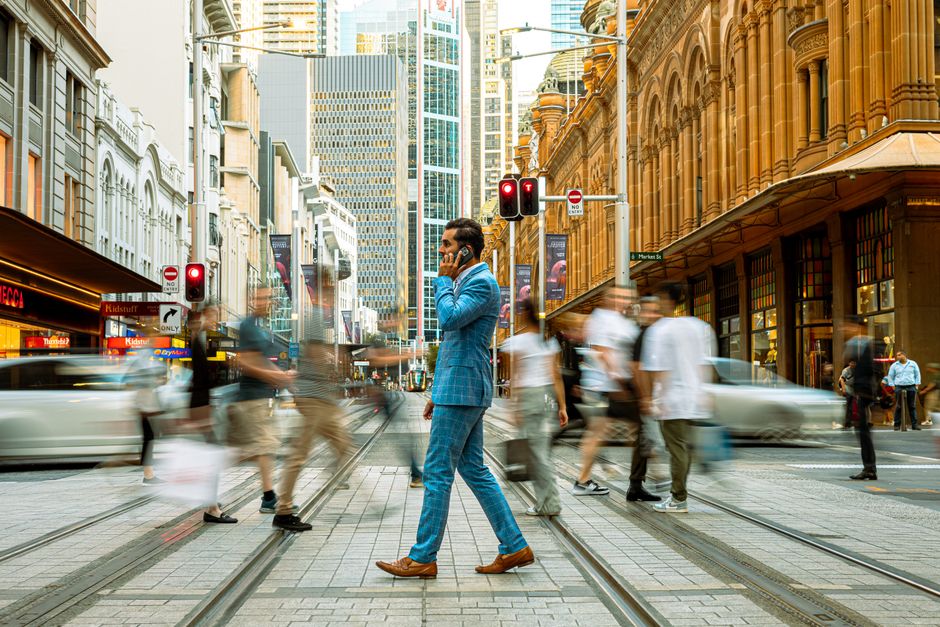
The culprit is familiar: hybrid working arrangements have fundamentally reshaped how much space corporations actually need. Major financial services firms and professional services companies are consolidating their footprints, particularly in secondary towers where lease terms are coming due for renewal. This has created bargaining power for tenants that simply didn't exist 18 months ago.
"Landlords are becoming more flexible," says the commercial property community, with incentive packages—free rent periods, fit-out contributions, and lease break clauses—becoming standard negotiating points rather than exceptions. This represents a sharp reversal from 2024, when landlords held firm on rates and terms.
However, not all Sydney office precincts are created equal right now. The Eastern Suburbs corridor, particularly around Bondi Junction and Chatswood, continues to perform relatively strongly as businesses pursue decentralisation strategies. Inner-West locations like Parramatta are attracting growing interest from tech and creative industries seeking lower costs and better access to younger workforces.
The wealthy demographic profile reflected in Australia's recent global wealth rankings—positioning Sydney residents among the world's most affluent—is shaping demand for premium serviced office and co-working spaces. Operators in Pitt Street and around the Domain are reporting steady demand from boutique professional firms and startups backed by high-net-worth individuals.
For businesses currently searching or contemplating relocations, the timing presents genuine opportunity. Negotiating power has shifted decisively toward tenants. Companies should be realistic about actual space requirements, factor in flexibility for future workforce changes, and avoid long fixed-term commitments without meaningful break clauses.
Landlords, meanwhile, are likely to face continued pressure on valuations if vacancy creeps higher. Those offering quality amenities, sustainability credentials, and genuine flexibility in lease structures are positioning themselves better than those banking on rates holding firm.
The Sydney office market of 2026 rewards pragmatism and flexibility over speculation.
This article was compiled by AI and screened before publishing. See our editorial standards.
How does this story make you feel?
Spread the word
About this article
Published by The Daily Sydney
Daily brief
Free, in your inbox before 7am. Weekdays.
More in Business