Rent vs Buy Sydney: Why Renters Are Losing the Math
Analysis reveals Sydney's rent-buy gap widening in Marrickville, Newtown, Stanmore. First-home buyers face $750k mortgages on $480/week rentals—here's what the data shows.
Analysis reveals Sydney's rent-buy gap widening in Marrickville, Newtown, Stanmore. First-home buyers face $750k mortgages on $480/week rentals—here's what the data shows.
Listen to this article · 4:03
For Sarah Chen, a 32-year-old marketing manager renting in Marrickville, the numbers don't lie. She's paying $480 a week for a one-bedroom apartment on Addison Road, yet when she checks what that same property might cost to buy, the mortgage would stretch to nearly $750,000 on today's market—a figure that leaves her bank account and her dreams in different postcodes entirely.
Sarah's dilemma is now the defining tension in Sydney's property market. While the national median house price hovers around $1.4 million in NSW, the cost of renting versus buying has fractured into a chasm that deserves serious attention.
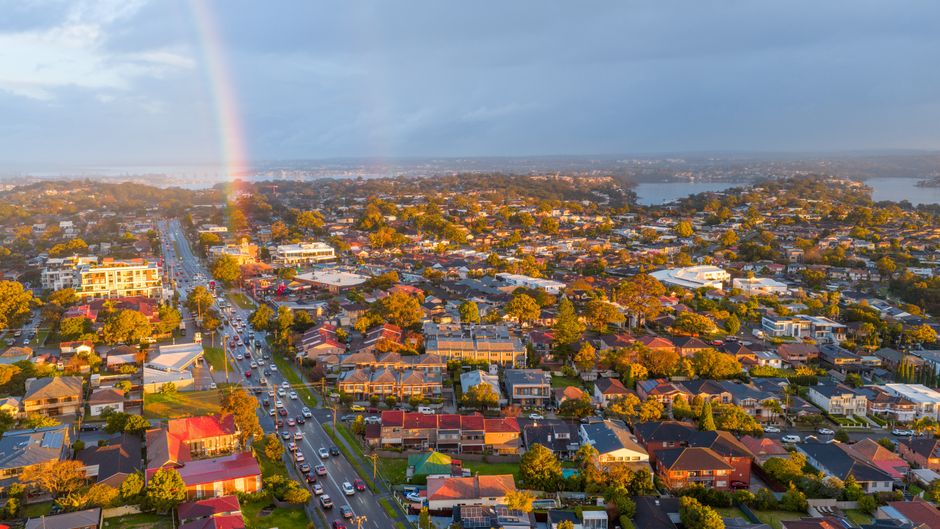
The gap is most acute in inner-West suburbs like Marrickville, Newtown, and Stanmore, where auction clearance rates between 65-72 per cent signal strong buyer demand despite skyrocketing prices. A modest two-bedroom weatherboard in Newtown's prime strips now commands $1.8 million-plus, while comparable rentals hover around $550 weekly. The rent-to-price ratio—a metric comparing annual rent to property value—shows buyers need to save for 40-45 years of rent just to match the purchase price. In some inner-West pockets, that calculation stretches even further.
The Northern Beaches paint an equally sobering picture. Dee Why and Collaroy have seen median values push past $1.65 million, while weekly rents remain locked between $600-$700. For a first-home buyer in their late twenties with a $150,000 deposit, the mortgage required would demand household incomes exceeding $200,000 annually—a threshold most young professionals cannot meet.
Property analysts say the disconnect stems partly from investment demand. Landlords holding property anticipate long-term capital growth, justifying lower rental yields. Meanwhile, owner-occupiers entering the market face an entirely different calculus: they're betting their family's financial security on price appreciation, not dividend returns.
Interestingly, some renters are making a rational choice to stay put. With mortgage stress-testing at record levels and interest rate vulnerability high, paying weekly rent offers flexibility that many first-home buyers simply lack. The psychological cost of over-committing to an $800,000+ mortgage is pushing some renters—grudgingly—toward acceptance of their status.
Yet this creates a deeper crisis: if young professionals cannot afford to buy, Sydney's supply of family homes for owner-occupiers will continue tightening, pushing prices further beyond reach. It's a vicious cycle that policymakers have struggled to address, even as other states like Victoria experience plummeting new-build rates.
For renters like Sarah, the rent-versus-buy equation has become less about aspiration and more about arithmetic. Until Sydney's affordability metrics shift materially, that chasm will only widen.
This article was compiled by AI from the sources linked above and screened before publishing. See our editorial standards.
How does this story make you feel?
Spread the word
About this article
Published by The Daily Sydney
Daily brief
Free, in your inbox before 7am. Weekdays.
More in Property