Renting in Sydney 2026: Prices, Rights and What Tenants Need to Know
The Sydney rental market in 2026 - median rents, tenant rights under NSW law, and tips for securing a rental.
The Sydney rental market in 2026 - median rents, tenant rights under NSW law, and tips for securing a rental.
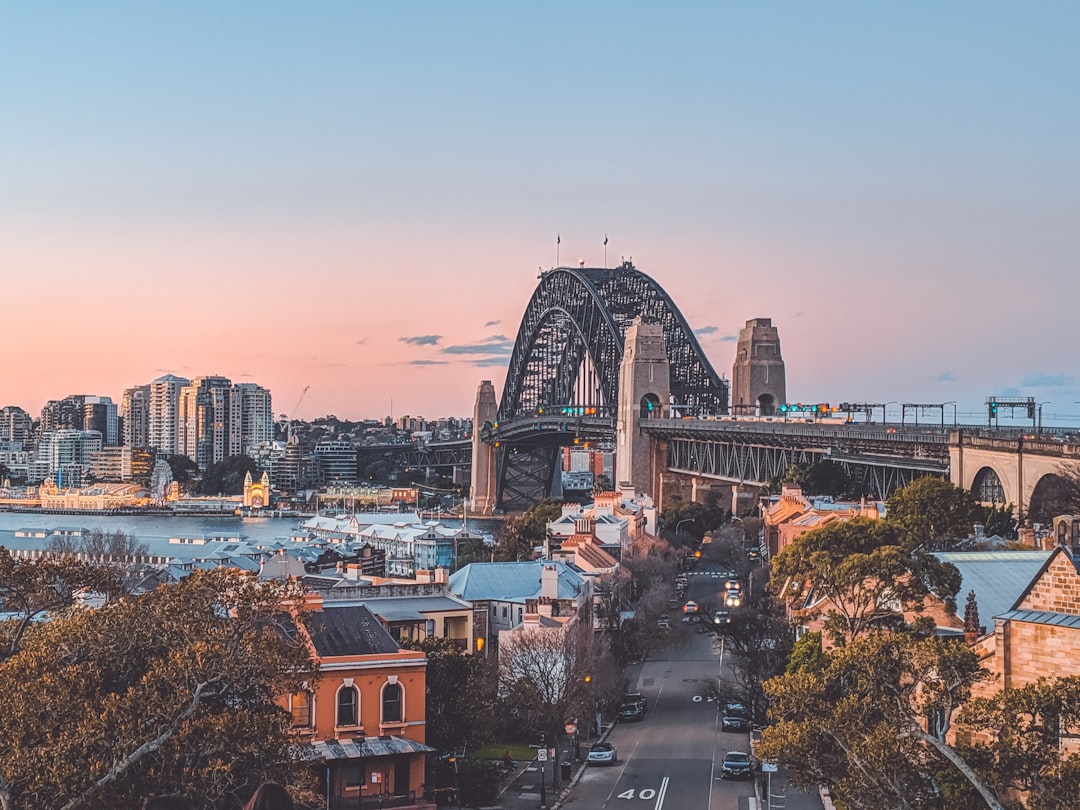
Renting in Sydney in 2026 remains a significant financial commitment, with median weekly rents across greater Sydney sitting at around $500 to $560 per week for a one-bedroom unit, $650 to $750 per week for a two-bedroom unit, and $850 to $1,050 per week for a three-bedroom house depending on the suburb and condition of the property. The inner suburbs of Surry Hills, Newtown, Glebe and Balmain command among the highest rents in the country for their respective dwelling sizes, while Western Sydney suburbs like Penrith, Campbelltown and Liverpool offer comparatively better value for larger homes. Sydney's total rental cost burden is significant: a median-income single renter spending on a one-bedroom unit in the inner ring would be dedicating over 30 per cent of pre-tax income to housing alone, above the internationally recognised housing stress threshold. Despite these costs, demand remains intense with vacancy rates below one per cent in most Sydney local government areas.
NSW tenants benefit from protections under the Residential Tenancies Act 2010 and its subsequent amendments, which establish clear obligations on both landlords and property managers. Landlords are required to maintain properties in a reasonable state of repair, attend to urgent repairs promptly (defined in the Act to include burst pipes, dangerous electrical faults, broken heating in winter and serious security breaches), and give tenants appropriate notice before entering the property, which in most cases is a minimum of 24 hours. Tenants have the right to make minor modifications to the property for accessibility or personal use without requiring the landlord's consent in many circumstances under 2022 amendments to the Act. Bonds are capped at four weeks' rent and must be lodged with NSW Fair Trading's Rental Bond Board. If a dispute arises between a tenant and landlord, NSW Civil and Administrative Tribunal (NCAT) provides a low-cost, accessible avenue for resolution without the need for legal representation in most cases.
Winning a rental application in Sydney's ultra-competitive market in 2026 comes down to presentation, documentation and speed. Agents receive multiple applications for most desirable properties within 24 to 48 hours of listing, so having all documentation ready before attending an inspection is essential. A strong application includes a completed application form, a current photo ID, recent payslips or a letter of employment from your employer confirming your position and salary, three months of bank statements showing consistent income and responsible spending habits, and references from at least one previous landlord or property manager. Offering to pay three to six months' rent in advance where financially possible can be a differentiator in a crowded field, though this is not a requirement and tenants are never obliged to offer this. Showing genuine enthusiasm for the property and communicating clearly and promptly with the managing agent also matters more than many applicants realise.
The outlook for Sydney renters through the remainder of 2026 offers little immediate relief, but there are some signals worth watching. Federal and state government housing supply programs are targeting a meaningful increase in new dwelling completions through 2026 and 2027, which if achieved, should gradually ease vacancy pressure. The NSW government's build-to-rent policy reforms, which provide land tax concessions to developers building specifically for the rental market, are beginning to attract institutional capital into that sector in Sydney's middle and outer rings. For tenants nearing lease expiry, locking in a longer fixed-term tenancy at the current rent offers protection against further increases during what remains a highly contested market. Renters who are open to considering outer western and south-western suburbs, or who are willing to share housing to reduce individual cost burden, will find the most breathing room in what remains one of the world's most expensive rental cities.
This article was compiled by AI from the sources linked above and screened before publishing. See our editorial standards.
How does this story make you feel?
Spread the word
About this article
Published by The Daily Sydney
Daily brief
Free, in your inbox before 7am. Weekdays.
More in Finance