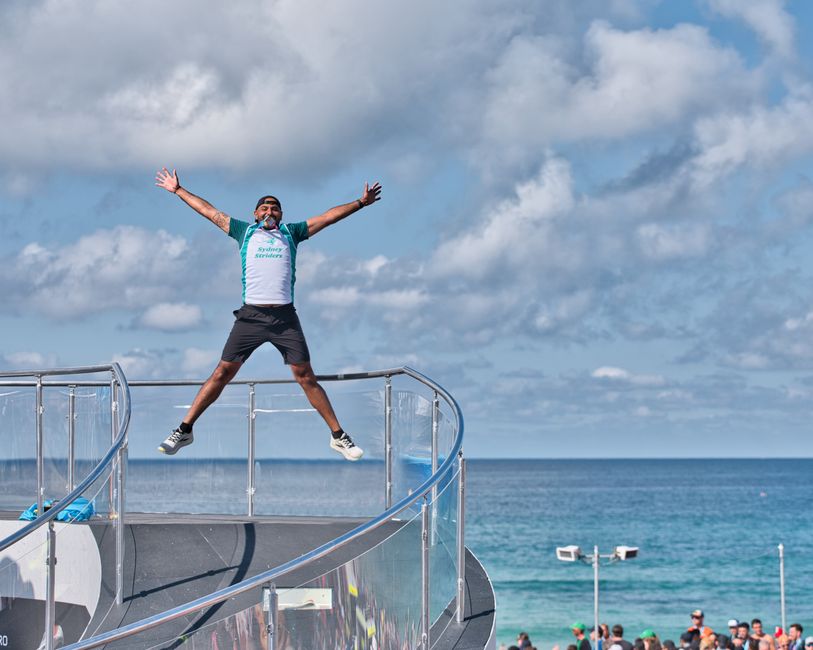
Sydney's climbing boom: New indoor walls attract global athletes
Purpose-built facilities across the Harbour City are drawing world-class competitors and transforming the sport locally.
Purpose-built facilities across the Harbour City are drawing world-class competitors and transforming the sport locally.
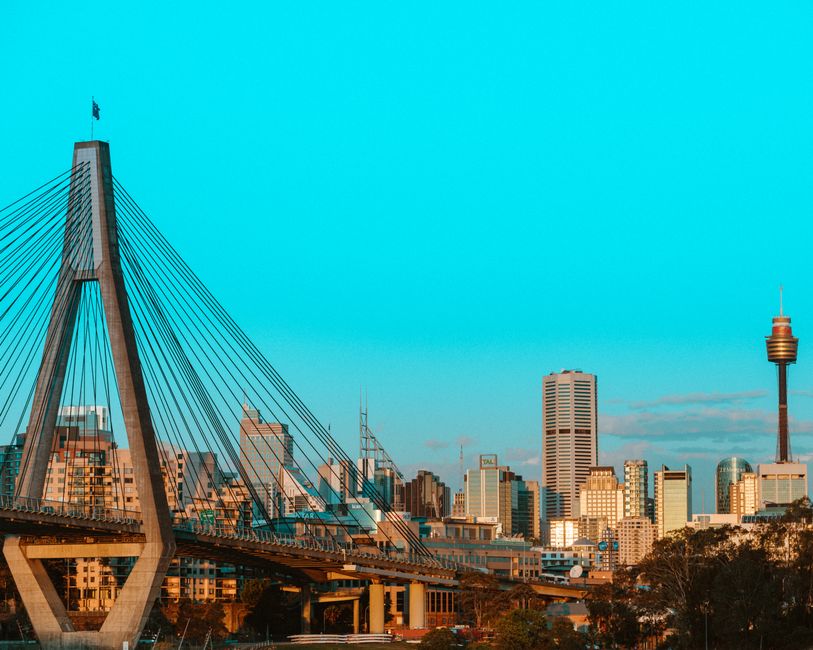
Sydney's outdoor adventure climbing scene has undergone a remarkable transformation over the past five years, driven by substantial investment in both indoor training facilities and maintained natural crags that have positioned the city as Australia's premier climbing destination.
The boom is evident in Ultimo and Pyrmont, where climbing gyms have proliferated to meet surging demand. Facilities like those clustered near the University of Technology Sydney campus now offer lead walls exceeding 15 metres, boulder problems graded to elite difficulty, and dedicated training zones for sport climbers preparing for international competition. Industry figures suggest Sydney now hosts over a dozen dedicated climbing venues, up from just three in 2015, with memberships across major facilities approaching 25,000 active participants annually.
Beyond indoor infrastructure, Sydney's natural climbing assets have received unprecedented attention. The sandstone crags of the Blue Mountains—just 90 minutes west via the M4—remain the epicentre, hosting hundreds of established routes. Yet closer to the city, coastal venues like those around the Royal National Park have been systematically maintained and bolted under protocols developed by local climbing clubs and the NSW Sport Climbing Association. The Maverick climbing wall at Collaroy, a purpose-built outdoor venue operational since 2023, exemplifies this trend: a $2.8 million public investment featuring top-rope and lead climbing infrastructure accessible to the broader community.
The infrastructure expansion reflects climbing's recognition as both competitive sport and recreational pursuit. Australian Sport Commission funding has supported climbing clubs in establishing training pathways, while local councils including Woollahra and Sutherland Shire have incorporated climbing infrastructure into broader recreation strategies. Entry-level memberships at major Sydney facilities typically range from $99 to $180 monthly, positioning climbing as comparatively accessible to traditional sports like tennis or golf.
Yet challenges persist. Demand for peak training times at established facilities regularly exceeds supply, and environmental management of natural crags remains contentious. Conservation groups have flagged concerns about erosion and disturbance to nesting sites, prompting ongoing negotiations between climbing advocates and land managers across the Blue Mountains and coastal reserves.
As Australia edges closer to potential Olympic climbing inclusion and international competitions increasingly eye Sydney as a host, the city's climbing infrastructure—both indoor and outdoor—faces mounting pressure to expand. The next phase will determine whether Sydney can balance accessibility, environmental stewardship, and elite competitive development.
This article was compiled by AI and screened before publishing. See our editorial standards.
How does this story make you feel?
Spread the word
About this article
Published by The Daily Sydney
Daily brief
Free, in your inbox before 7am. Weekdays.
More in Sport