Sydney's transport system stands alone—and costs more
Unlike London or New York, Sydney built sprawl over density. Now commuters pay the price in time and money.
Unlike London or New York, Sydney built sprawl over density. Now commuters pay the price in time and money.
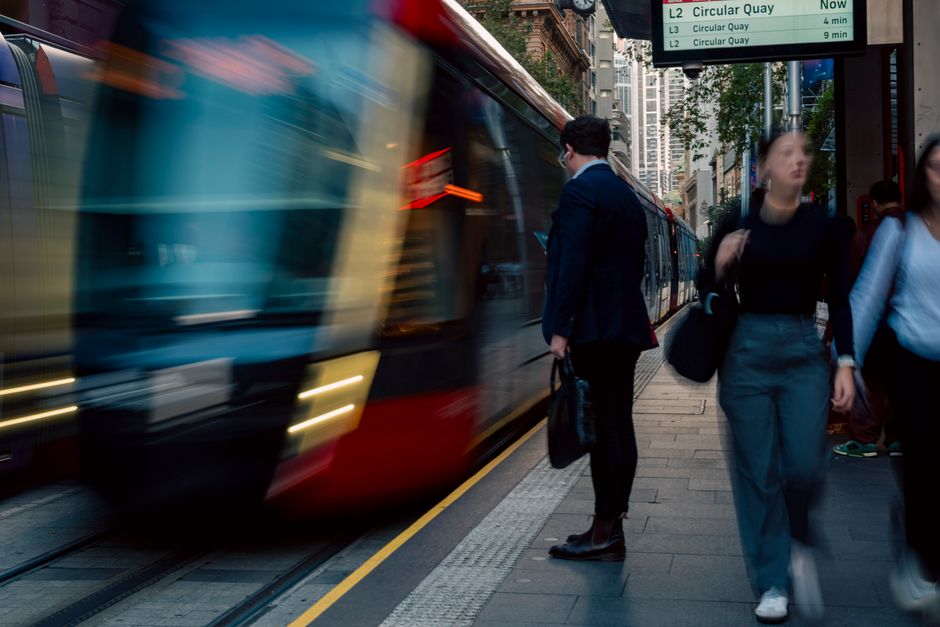
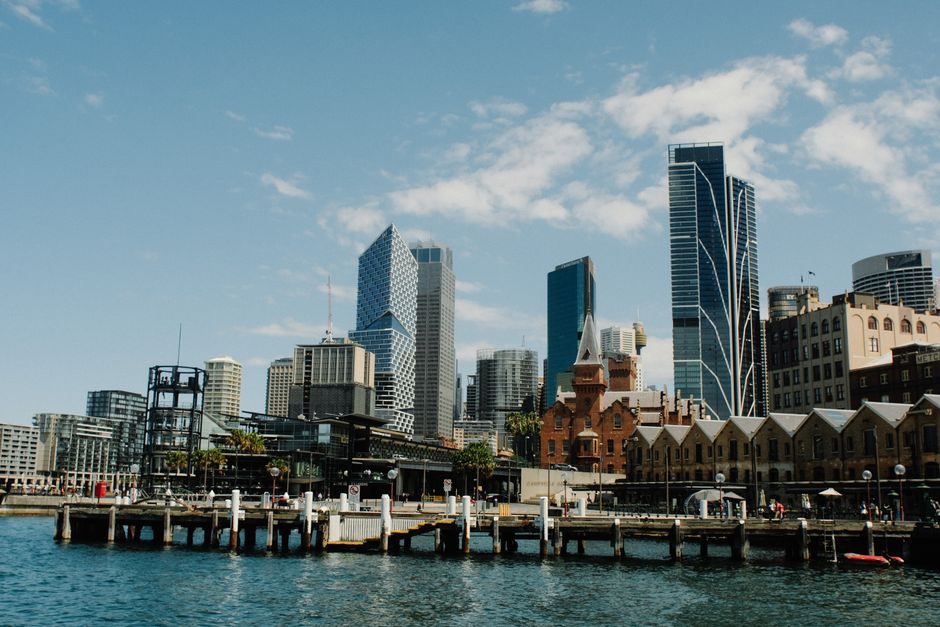
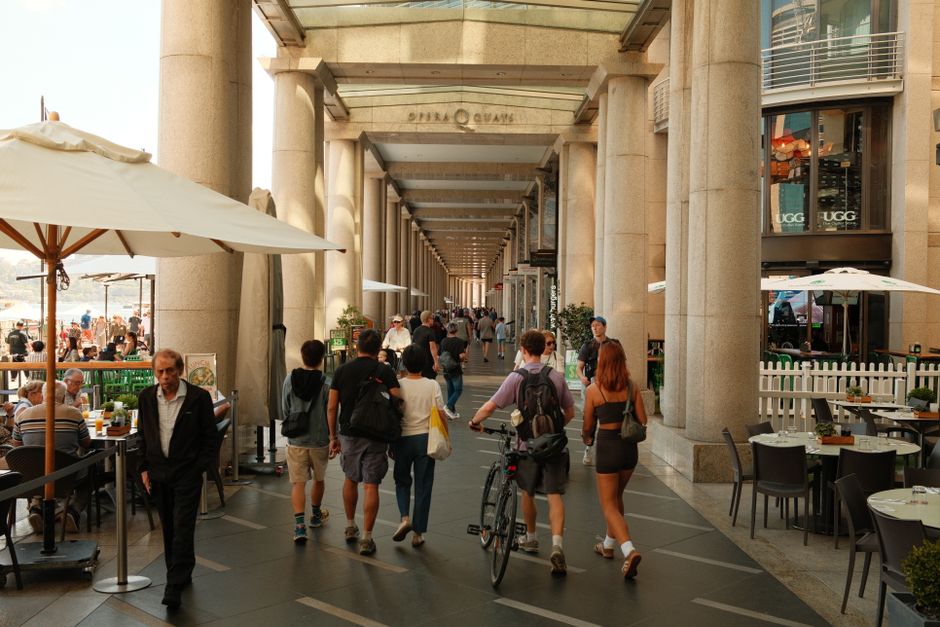
Stand on Circular Quay during peak hour and you'll witness something genuinely unique: thousands of commuters funnelling from ferries, trains and buses simultaneously, with the Opera House gleaming above and the Harbour Bridge arcing overhead. It's a commuting experience no other major city quite replicates. But that's precisely where Sydney's transport identity becomes complicated.
Unlike London's dense Underground network or New York's subway grid, Sydney's public transport relies heavily on a geography-dependent system. The ferries—those iconic green and yellow vessels that carry roughly 14 million passengers annually—are a transport solution born from necessity, not urban planning. They're also becoming increasingly expensive. A single ferry journey from Circular Quay to Parramatta costs $8.60, compared to a London Underground journey at roughly £1.75 (about $3.35 AUD). Yet they remain a commuting staple because they work with, rather than against, Sydney's topography.
This geography-first approach defines everything. Melbourne's tram network connects suburbs with predictable grid efficiency. Sydney's rail network sprawls outward from Central Station like tree branches, following historical corridor development rather than rational city planning. The new Metro West project—launching next year—promises to change this, but it's a $20 billion acknowledgment that our current system has fundamental limitations.
What makes Sydney genuinely different is how commuting intersects with lifestyle. Catch a 7:15am ferry from Cremorne or Barangaroo and you're literally commuting through one of the world's most celebrated natural harbours. It's transport as theatre. Try that in Toronto or Berlin. Simultaneously, this scenic advantage masks systemic inefficiency: Sydney's average commute time sits around 50 minutes, compared to 40 minutes in Melbourne and comparable major cities.
The car dependency is another distinctive feature. While London and Amsterdam have successfully constrained private vehicle use, Sydney's sprawl—stretching from the Blue Mountains to the Central Coast—has made cars integral to suburban commuting. The rise of e-bikes and micromobility services offers alternatives, particularly in inner-city precincts like Surry Hills and Marrickville, but they remain niche solutions.
Perhaps Sydney's transport uniqueness ultimately reflects its identity: a globally significant city built on tourism, harbour geography and suburban sprawl, rather than dense urban intensity. That's created a commuting system that's simultaneously enviable and frustrating—beautiful to look at, sometimes exhausting to navigate. As Metro West construction accelerates through Strathfield and Westmead, we'll finally see whether Sydney can maintain that scenic charm while solving the efficiency puzzle that truly sets us apart.
This article was compiled by AI and screened before publishing. See our editorial standards.
How does this story make you feel?
Spread the word
About this article
Published by The Daily Sydney
Daily brief
Free, in your inbox before 7am. Weekdays.
More in lifestyle