Sydney's Western Suburbs Face Housing Crunch as Population Surges
Penrith and Parramatta grapple with rapid growth, affordability crisis, and strained infrastructure as thousands relocate to outer west.
Penrith and Parramatta grapple with rapid growth, affordability crisis, and strained infrastructure as thousands relocate to outer west.
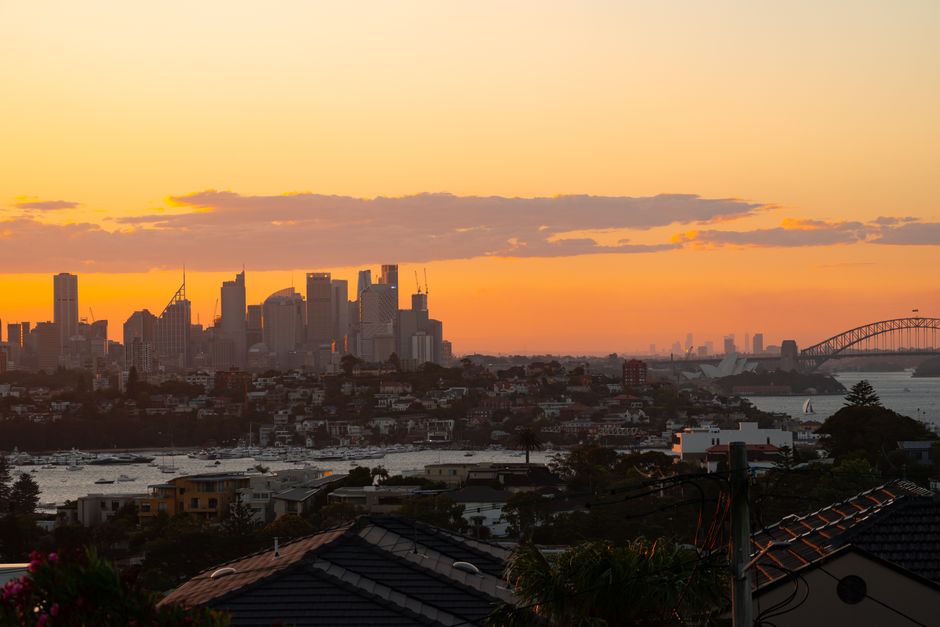
The construction cranes that dot the Penrith skyline tell only half the story. While new apartment towers and townhouse developments promise to house Sydney's swelling population, the real question facing Western Sydney's communities isn't whether growth will happen—it's how it happens, and who gets left behind.
Population projections show the Penrith local government area will add roughly 100,000 residents by 2040. Parramatta is undergoing similar transformation. Yet the decisions councils and developers make in the next 18 months will largely determine whether these neighbourhoods remain affordable, connected places or become another tier in Sydney's stratified housing ladder.
The tension is already visible. A two-bedroom apartment in Penrith's CBD now averages $580,000—up 35 percent since 2021. Meanwhile, median household incomes in the region hover around $95,000. Local services—schools, GPs, transport—are straining under existing demand. Penrith Council is currently reviewing its local environmental plan, determining where and how intensely new development can occur. That process concludes later this year.
"The infrastructure question is make-or-break," says one perspective from community groups regularly engaging with councils. Metro West, the second stage of the Sydney Metro system, won't reach Penrith until the 2030s at earliest. Until then, car dependency remains high, and road congestion on Windsor Road and the M4 corridor feeds frustration among existing residents.
The decisions ahead are stark. Should councils mandate that developers include affordable housing components in new projects? How strictly should they enforce mixed-income neighbourhoods, or allow market forces to shape community composition? Which public spaces—parks, libraries, community centres—deserve immediate investment to handle population growth? How do you preserve the character of established streets in suburbs like Dundas and Emu Plains while accommodating density?
Parramatta's ongoing CBD transformation offers a glimpse of potential futures. The arrival of corporate headquarters, new dining precincts, and residential towers has energised the local economy but also priced out long-term residents and small businesses. Not every Western Sydney neighbourhood wants that model.
The NSW Labor government's housing targets are non-negotiable, but implementation remains messy. Local councils hold genuine power through planning controls, yet they answer to rate-payers with competing interests—young families seeking affordable entry points versus established residents protective of neighbourhood character.
Over the next two years, as Penrith, Parramatta, and surrounding councils finalise planning frameworks and respond to development applications, they'll be answering a question that extends far beyond zoning maps: What kind of community do we want Western Sydney to be?
This article was compiled by AI and screened before publishing. See our editorial standards.
How does this story make you feel?
Spread the word
About this article
Published by The Daily Sydney
Daily brief
Free, in your inbox before 7am. Weekdays.
More in News


