Sydney sleep scientists reveal 3 wind-down routines that actually work
Which evening habits genuinely prepare your body for rest? We asked the experts—and your yoga class might not be one of them.
Which evening habits genuinely prepare your body for rest? We asked the experts—and your yoga class might not be one of them.
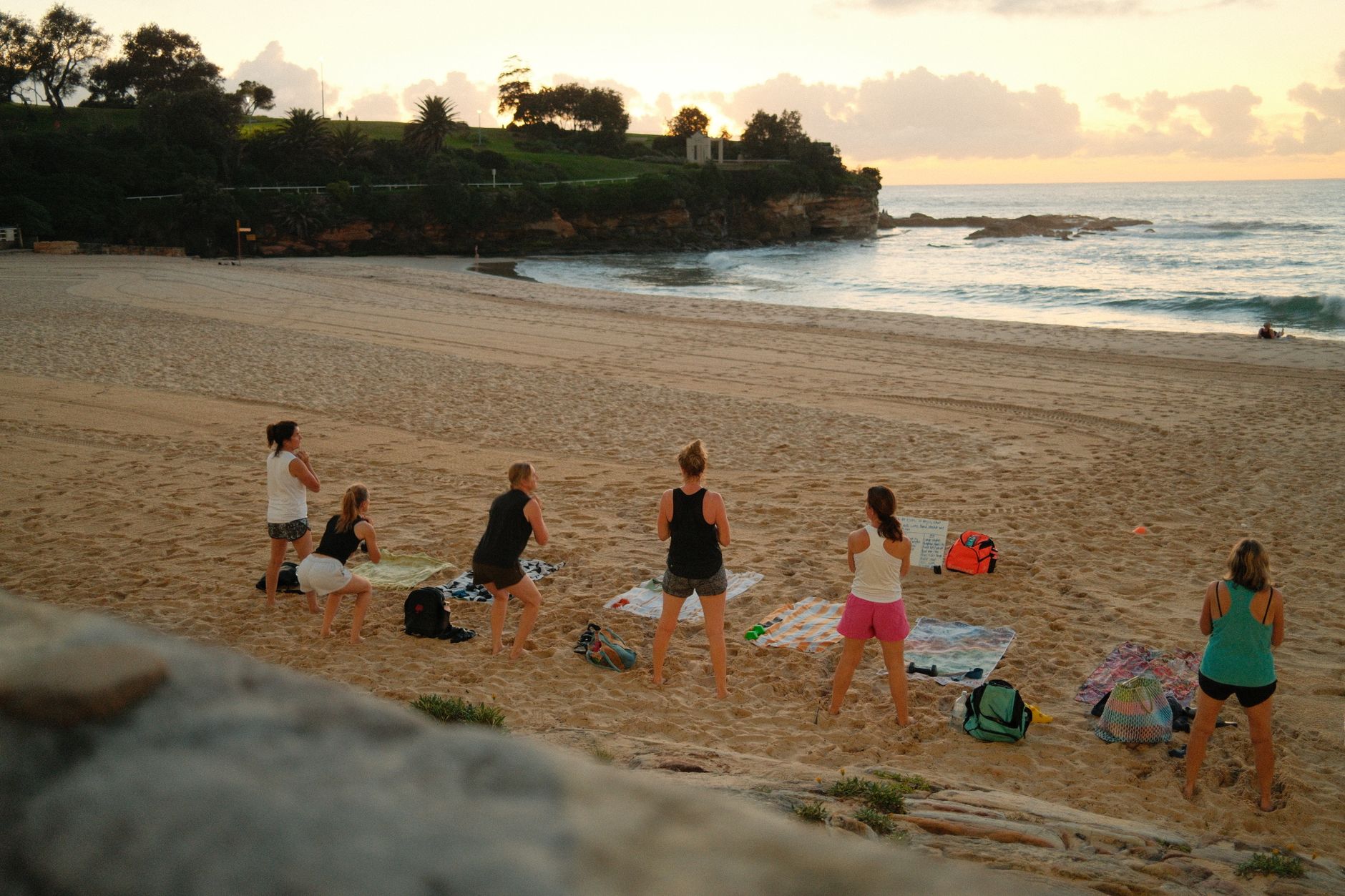
Sydney's fitness obsession doesn't stop at dawn. Bondi Beach swimmers, Centennial Parklands joggers, and Manly coastal walkers dominate our mornings, but what happens after sunset often determines whether we sleep well or stare at the ceiling until 2am.
Sleep science has evolved dramatically. The narrative around wind-down routines—dim the lights, sip chamomile, meditate—is partially correct, but incomplete. Recent research emphasises timing and neurological consistency over ritual alone.
Dr Matthew Walker's findings, now standard in sleep research, show that our bodies need a genuine "sleep pressure" window: ideally two to three hours before bed when core body temperature naturally dips. This isn't about forcing relaxation. It's about aligning behaviour with biology.
Temperature management tops the list. Cooling your bedroom to 16-18 degrees Celsius optimises sleep onset, yet many Sydney inner-west apartments struggle with insulation. Blackout blinds (available locally from hardware stores along King Street in Newtown, roughly $50-150) create the darkness that suppresses melatonin-blocking blue light. This matters more than scrolling Instagram in bed.
The timing question troubles Sydneysiders most. Exercise completed by 6pm—think that Centennial Parklands run or coastal walk—allows cortisol and adrenaline to settle. Evening yoga classes in Surry Hills, typically starting at 7pm, can stimulate rather than calm the nervous system depending on intensity. Restorative practices work; vigorous vinyasa within four hours of sleep often backfires.
Lighting strategy proves surprisingly powerful. Exposing yourself to bright light before 3pm, then shifting to amber-tinted lights (or using blue-light filters) after 7pm, trains your circadian rhythm. This costs little but requires discipline.
The supplement conversation deserves honesty. Magnesium glycinate (around $20-35 locally) shows modest evidence for sleep quality, particularly for those with deficiency. Melatonin is debated; it works best for jet-lagged travellers, less so for insomniacs. Alcohol? It fragments sleep architecture regardless of initial drowsiness—a hard truth for Sydney's wine culture.
Most overlooked: consistency. Sleeping at 10:30pm Monday then midnight Friday dismantles your body's rhythm. Weekends matter.
The ideal wind-down combines temperature control, light management, appropriate exercise timing, and consistency. Meditation and tea have their place, but they're supporting actors, not leads. Start with one change—perhaps earlier evening lighting or cooler bedroom temperature—and track sleep quality for two weeks using basic journaling. Your body will signal what works.
Sleep isn't luxury. For Sydney's driven population, it's the foundation everything else rests on.
This article was compiled by AI and screened before publishing. See our editorial standards.
How does this story make you feel?
Spread the word
About this article
Published by The Daily Sydney
Daily brief
Free, in your inbox before 7am. Weekdays.
More in Wellness