Sydney Weather by Month: Complete Seasonal Guide
Plan your Sydney visit with our detailed sydney weather by month guide. Discover seasonal patterns, what to pack, and current winter conditions for June 2026.
Plan your Sydney visit with our detailed sydney weather by month guide. Discover seasonal patterns, what to pack, and current winter conditions for June 2026.
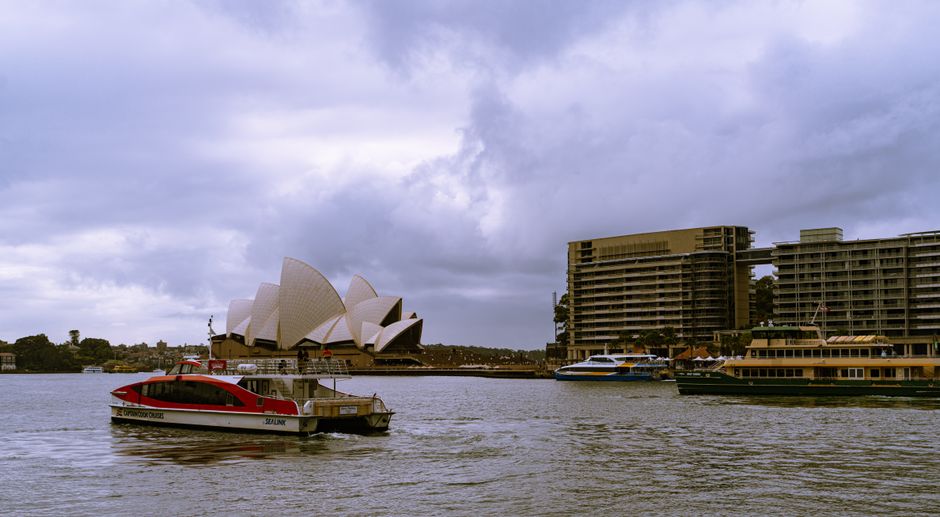
Understanding Sydney weather by month is essential for planning your visit or managing your daily routines in Australia's most iconic city. June 2026 marks the beginning of Sydney's dry winter season, with cooler temperatures and clearer skies replacing the warm summer humidity. This comprehensive guide covers everything you need to know about Sydney's climate patterns throughout the year, current seasonal conditions, and what to expect in the coming week.
As of June 2026, Sydney is experiencing typical Australian winter conditions. While June represents winter for southern cities like Sydney, it's important to understand that "winter" in Sydney is vastly different from northern hemisphere winters. Temperatures typically range from 8-17°C, with mild days and cool mornings and evenings. The current week should see relatively stable weather patterns with low rainfall and clear skies.
For the most up-to-date 7-day outlook, including hourly forecasts and severe weather warnings, refer to the Bureau of Meteorology Sydney forecast page. The BOM provides real-time data and is Australia's official weather authority, ensuring you have the most accurate information for planning your week.
Sydney experiences four distinct seasons with varying weather patterns that affect what you should pack and plan:
Current Season (June 2026): Sydney's winter is mild and dry, making it one of the most pleasant times to visit. June temperatures average 8-17°C, with June being the coldest month. You'll experience crisp mornings and cool evenings, but rarely frost or snow. Rainfall is minimal, and clear skies are common, making it ideal for outdoor activities and sightseeing.
Spring brings warming temperatures ranging from 12-22°C as you move through the season. Wildflowers bloom, rainfall increases gradually, and humidity begins to rise toward summer. Spring is an excellent time for hiking and outdoor exploration with pleasant daytime temperatures.
Sydney's summer is warm and humid, with temperatures reaching 20-26°C on average, often exceeding 30°C during heat waves. This is Australia's wet season in tropical regions, though Sydney experiences sporadic thunderstorms rather than constant rain. Humidity levels are high, making early morning or evening activities preferable. Beach season is at its peak, but water safety and UV protection are crucial considerations.
Autumn features cooling temperatures from 15-24°C with decreasing humidity and rainfall. The weather becomes increasingly stable and pleasant, though the season is notably brief. This is another excellent time for outdoor activities before winter arrives.
Sydney enjoys a temperate oceanic climate with moderate rainfall throughout the year, though clearly defined wet and dry seasons exist. The city experiences approximately 1,200mm of rainfall annually, distributed fairly evenly but with slightly higher precipitation in autumn and summer.
The dry season (April-September) features lower humidity, minimal rainfall, and clearer skies—currently the case in June 2026. The wet season (October-March) brings higher rainfall, particularly during summer months when thunderstorms are common. Humidity levels range from 50-60% in winter to 65-75% in summer.
Coastal factors significantly influence Sydney's weather. The Pacific Ocean moderates temperature extremes, preventing the intense heat found inland. Ocean temperatures range from 13-14°C in winter to 23-24°C in summer, affecting both air temperature and water-based activities.
Understanding sydney weather by month helps optimize your visit experience. Winter months (June-August) offer ideal conditions for sightseeing with cool, dry weather and fewer crowds. Summer is perfect for beach activities but requires heat and humidity management. Spring and autumn provide balanced conditions with warm but comfortable temperatures.
Always check the Bureau of Meteorology for current conditions and warnings before planning outdoor activities. The BOM website provides detailed forecasts, radar imagery, and severe weather alerts essential for Sydney weather monitoring.
For comprehensive coverage of Sydney's lifestyle, events, and seasonal highlights aligned with weather patterns, visit The Daily Sydney. Our guides help you plan activities that perfectly match seasonal conditions and weather forecasts throughout the year.
This article was compiled by AI from the sources linked above and screened before publishing. See our editorial standards.
How does this story make you feel?
Spread the word
About this article
Published by The Daily Sydney
Daily brief
Free, in your inbox before 7am. Weekdays.
More in News