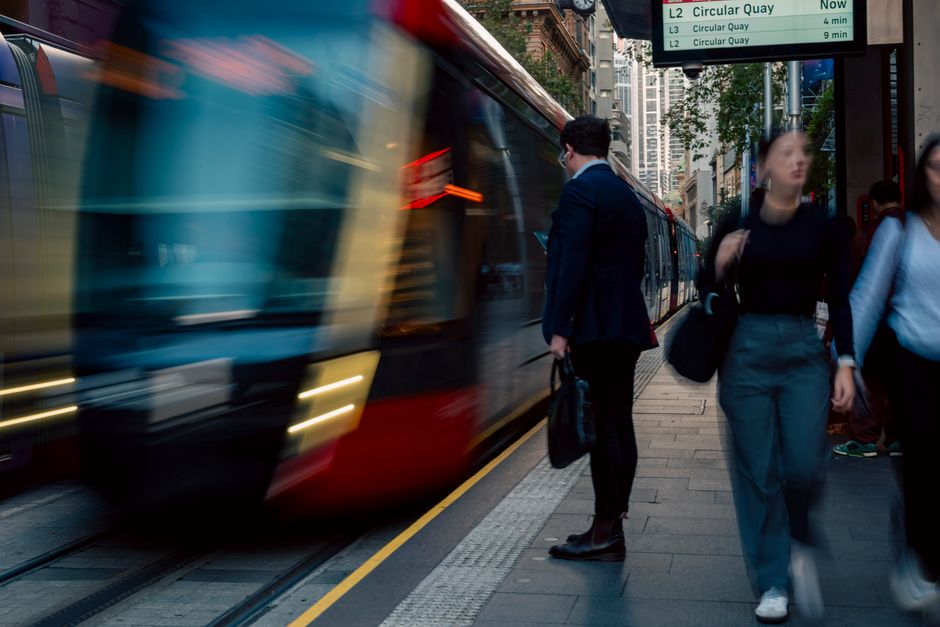
Sydney's gleaming vision of a smart city—with AI-powered traffic management on the M1, real-time flood monitoring in Parramatta, and integrated digital permits across the CBD—masks a messier reality playing out behind the scenes.
The City of Sydney Council's $500 million digital overhaul, announced last year, promises efficiency gains and better service delivery. Yet privacy advocates and technology ethicists are raising red flags about the infrastructure being quietly laid down across our streets.
"We're seeing sensor networks, CCTV with facial recognition capabilities, and centralised data platforms being deployed faster than governance frameworks can manage," says Dr. James Chen, a digital governance researcher at UNSW Sydney. "The question isn't whether the technology works—it's who controls it, who sees the data, and what happens when it fails."
Consider the rollout of smart traffic lights across Parramatta Road and George Street. While reducing congestion times by an estimated 12 percent sounds beneficial, the underlying systems collect granular movement data on every vehicle and pedestrian. Council documents reviewed by The Daily Sydney acknowledge the data retention policy remains under review.
Equity concerns loom equally large. Inner-city suburbs like Barangaroo and Surry Hills will likely benefit first from faster digital services and smart infrastructure. Meanwhile, outer areas like Penrith and Campbelltown—where digital literacy rates are lower and broadband access patchier—risk being left behind. The gap between a digitally integrated CBD and a digitally divided west could widen considerably.
Data security represents another vulnerability. Last month, a minor breach in Newcastle's sister smart-city program exposed resident information. If similar vulnerabilities exist in Sydney's systems, the consequences could be far more serious given our population density.
The ethical questions extend beyond surveillance. Algorithmic decision-making in planning approvals, social services allocation, and infrastructure maintenance can embed biases invisibly. A 2024 audit by the NSW Privacy Commissioner found that 40 percent of government agencies lacked adequate documentation of how their AI systems make decisions.
City leaders and tech vendors paint a compelling picture: seamless services, sustainable outcomes, and citizen-centric governance. That future may arrive. But Sydney's smart city transformation needs guardrails—independent oversight, transparent algorithmic audits, equitable rollout timelines, and meaningful community input—before we hand the city's digital keys to algorithms and algorithms alone.
The technology is ready. The question is whether our institutions are.
This article was compiled by AI and screened before publishing. See our editorial standards.