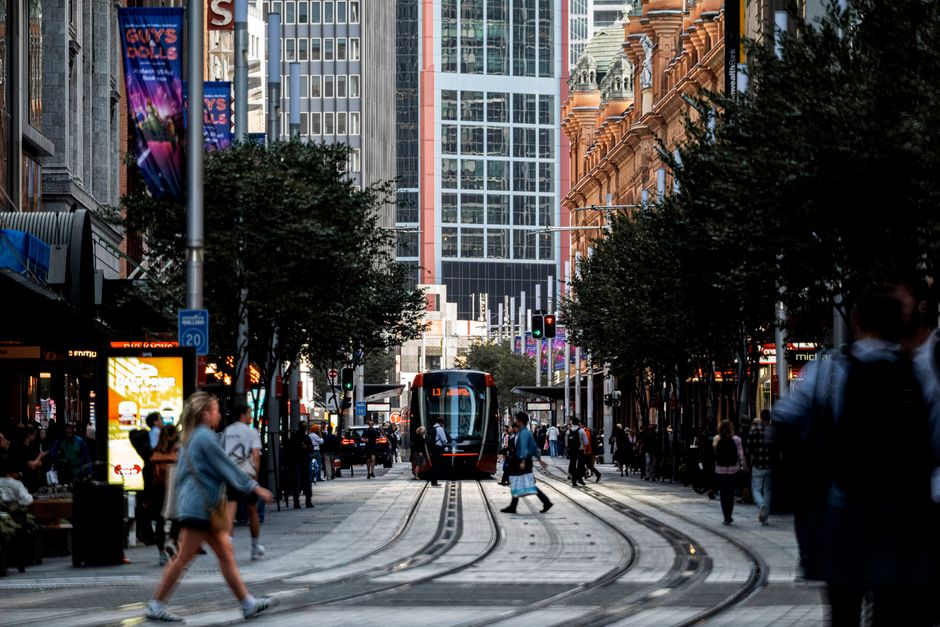
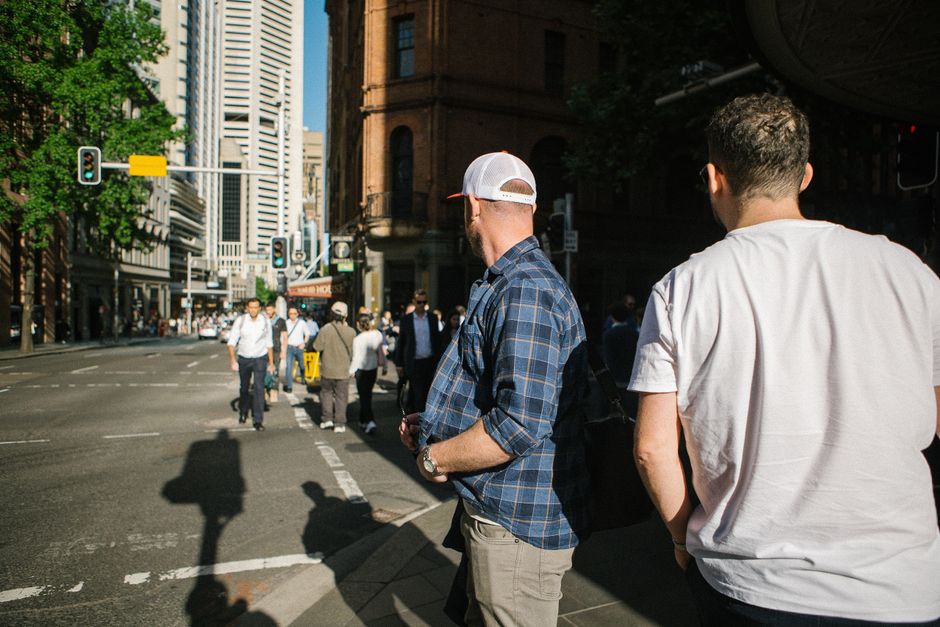
While much of Australia's tech investment flows toward flashy consumer apps and AI chatbots, a quietly impressive startup operating out of a converted warehouse in Barangaroo is solving one of Sydney's most persistent urban headaches: how to move millions of people through an ageing infrastructure network.
UrbanFlow, founded in early 2024, has spent the past 18 months embedding IoT sensors and machine learning algorithms into traffic lights, pedestrian crossings, and parking infrastructure across inner Sydney. The company's real-time data platform now feeds actionable insights to Transport NSW and several local councils, helping them optimise everything from peak-hour congestion on Parramatta Road to crowd management at Central Station.
The numbers are compelling. Early deployments across five Sydney councils have reduced average commute times by 11 per cent, according to trial data shared with the NSW Government. For a city where the average worker loses roughly 41 hours annually to congestion—translating to $1,340 per commuter in lost productivity—that's not trivial.
What makes UrbanFlow's approach distinct is its focus on interoperability. Rather than replacing existing infrastructure wholesale, the platform works with legacy systems, aggregating data from dozens of disparate council networks into a unified dashboard. That pragmatism has proven crucial in a sector littered with expensive, siloed projects that fail to gain political traction.
The company has already attracted attention from Beyond Blue and the NSW Office of Local Government, and last month secured a $7.2 million Series A round from venture firms including AirTree Ventures and Blackbird Capital. That capital is earmarked for expanding operations into Brisbane and Melbourne, but Sydney remains the flagship proving ground.
What's particularly noteworthy is UrbanFlow's timing. As federal government funding for city resilience and digital transformation picks up pace, and as councils grapple with aging populations, climate pressures, and post-pandemic budget constraints, the demand for intelligent infrastructure solutions is accelerating. The global smart city platform market is projected to reach $1.2 trillion by 2030, and Australian vendors have historically struggled to compete at scale.
For Sydney—already ranked among the world's most liveable cities—there's a subtle irony in needing algorithmic help to keep things moving. But UrbanFlow's success suggests that the next phase of urban development won't be about grand infrastructure projects; it'll be about extracting maximum efficiency from what we've already built. That's a distinctly Australian problem-solving ethos, and it's finally attracting serious capital.
This article was compiled by AI and screened before publishing. See our editorial standards.